Muffler Man of Portage has proudly served Portage, Kalamazoo, Oshtemo, and nearby Michigan communities since 2002. As a family-owned auto repair shop, the team specializes in mufflers, exhaust systems, brakes, suspension repair, diagnostics, and general automotive services. With certified technicians, advanced diagnostic tools, and a commitment to honest service, Muffler Man of Portage delivers reliable automotive repair solutions backed by years of hands-on industry experience
You press the gas, and your car hesitates before it moves. The engine revs high, but your speed barely changes. That strange delay has a name. It's worth understanding before it turns into a bigger problem. Knowing what it means when a transmission slips? can help you catch trouble early and protect your wallet. Let's walk through what's happening under the hood and what you can do about it.
What Does It Mean When a Transmission Slips?
A slipping transmission happens when your gears change or shift without your car actually speeding up. Your engine works hard, but that power doesn't reach your wheels the way it should.
Think of it like a bike chain that skips a gear. The pedals spin, but you don't move forward as fast as you expect. Your transmission works the same way. It moves power from the engine to your wheels through a set of gears. When something inside blocks that smooth connection, the whole system slips instead of shifting cleanly.
Common Causes of Transmission Slipping
There are several common causes of transmission slipping. Most trace back to fluid, wear, or a broken part inside the system.
● Low transmission fluid - Fluid keeps everything moving smoothly. A leak or low level often causes slipping first.
● Worn gears - High mileage and rough driving wear down gear teeth over time.
● Bad solenoids - These small parts control fluid flow. When they fail, the transmission can't shift right.
● Burnt or wrong fluid - Old or incorrect fluid can't protect moving parts, which raises friction and wear.
● Worn clutch discs - Automatic transmissions use several small clutch discs. When they wear out, they lose their grip.
● Torque converter trouble - This part sends power from your engine to your transmission. Problems here can cause slipping too.
Most of these issues start small. Left alone, they tend to grow into bigger, more expensive repairs.
Recent Blog: Difference Between Wheel Alignment and Wheel Balancing
Transmission Slipping Symptoms
Your car usually gives warning signs long before a full breakdown. Learning the common transmission slipping symptoms helps you catch problems early. Watch for these signs:
● Slow or delayed acceleration when you press the gas
● Engine revving high without matching speed
● Trouble shifting between gears, with clunks or bangs
● A burning smell coming from under the hood
● RPMs climbing above 3,500 and staying high
If you notice more than one of these at once, your transmission likely needs attention soon.
Warning Signs You Should Never Ignore
Some warning signs you should never ignore point to serious trouble. These signs can leave you stranded, so they deserve quick action, not a wait-and-see approach. Pay close attention to these red flags:
● A strong burning smell while driving
● Gears slipping in and out on their own
● The check engine or transmission warning light turning on
● Fluid leaking under your parked car
● Grinding or shaking when you shift gears
Catching these early often means a smaller repair bill and less time without your car.
Can You Drive With a Slipping Transmission?
Technically, yes, for a short distance. But it's not a good idea, and it can be unsafe. A slipping transmission can lose power at the worst moment, like when merging onto a highway. It also puts extra stress on internal parts. A simple fix can turn into a major repair. If your transmission is slipping, try to limit your driving. Get it checked as soon as you can.
How Professional Technicians Diagnose Transmission Problems?
Wondering how professional technicians diagnose transmission problems? It starts with listening to you describe what you're feeling and hearing.
Next, a technician checks your fluid level, color, and smell. Burnt or low fluid often points straight to the cause. They'll also use a scan tool to read error codes from your car's computer.
From there, a test drive helps confirm the symptoms. This full process helps your auto repair shop find the real issue instead of guessing.
Repair vs. Replacement: Which Is the Better Option?
Once the cause is clear, you'll face a choice. Here's a simple breakdown to help you understand your options.
| Option | Best For | Typical Cost Range | What to Expect |
|---|---|---|---|
| Fluid change or minor repair | Early-stage issues, leaks, worn gaskets | Lower cost | Fast turnaround, often same day |
| Solenoid or seal replacement | Specific part failures | Mid-range cost | A few days, depending on parts |
| Full rebuild | Worn internal components | Higher cost | Takes longer, restores like-new function |
| Full replacement | Severe damage or high mileage | Highest cost | Fastest fix for major failures |
Repair vs. replacement: which is the better option? It depends on your car's age, mileage, and how far the damage has spread. A trusted technician can help you pick the right choice for your budget.
Transmission Inspection Checklist
A simple transmission inspection checklist can help you stay ahead of costly repairs. Try running through this list every few months.
● Check the fluid level and color
● Smell the fluid for a burnt odor
● Listen for unusual noises while driving
● Watch for delayed or rough shifting
● Look under your car for fluid spots
Catching small changes early is one of the best ways to protect your transmission.
Must Read: The Importance of Brake Inspections Before Long Road Trips
Don't Wait, Get Your Transmission Checked Today
If your car has been acting up, please don't ignore it. We have seen small transmission issues turn into major repairs. This happens simply because they went unchecked for too long. At Muffler Man, our team offers emergency transmission repair. We also do routine inspections to catch problems early. Stop by our auto repair shop today. Let's get your transmission running smoothly again before your next drive.
Frequently Asked Questions
What causes a transmission to slip?
Low or dirty fluid, worn gears, bad solenoids, or a failing torque converter are common causes. Most start small but get worse without repair.
Can low transmission fluid cause a transmission to slip?
Yes, it's one of the most common causes. Fluid keeps parts moving smoothly, and low levels often lead to slipping right away.
Is it safe to drive with a slipping transmission?
It's risky. You can lose power unexpectedly, and continued driving often causes more damage. Getting it checked quickly is the safer choice.
How much does it cost to repair a slipping transmission?
Costs vary widely. Minor fixes may cost a few hundred dollars. A full replacement can run into the thousands.
What are the first signs of transmission failure?
Early signs include delayed acceleration, high RPMs, rough shifting, and unusual smells. Catching these early can prevent bigger repairs later.
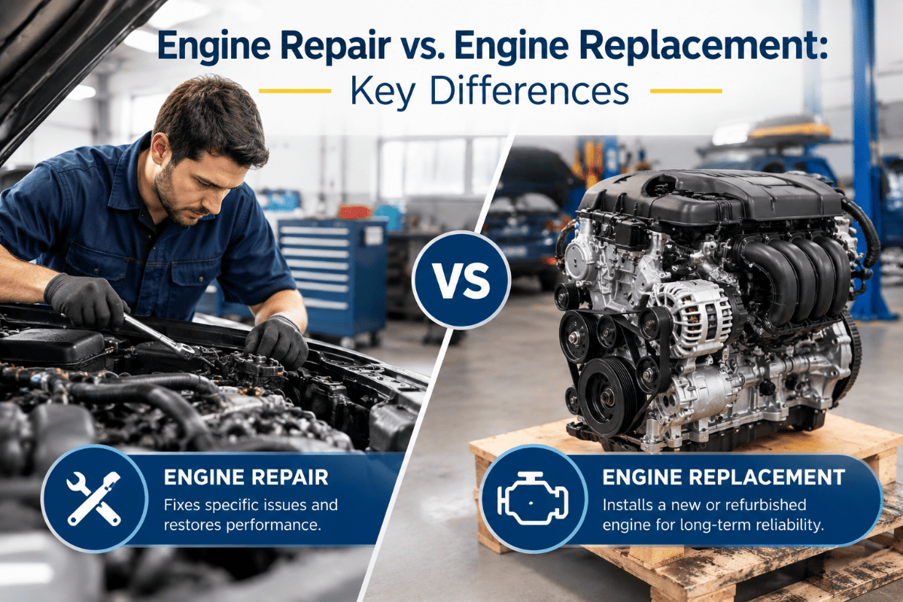
Compare engine repair vs. replacement, including costs, warning signs, benefits, and timelines. Get expert engine diagnostics at Muffler Man of Portage.
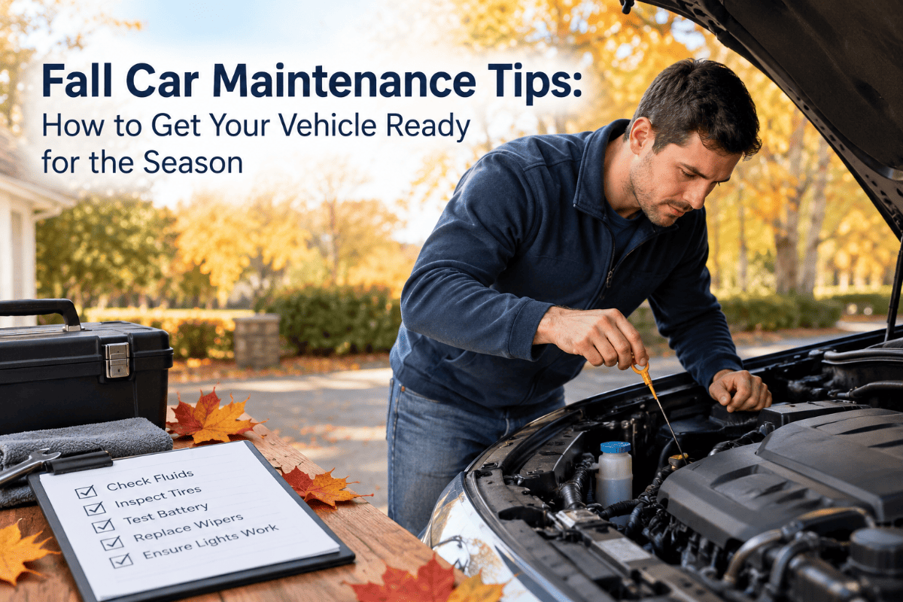
Get essential fall car maintenance tips to prepare for Michigan winter. Check your battery, tires, brakes, fluids, and more with this simple checklist.

Learn about different engine oil types, their benefits, and how to choose the right oil for your car to protect your engine and improve performance.
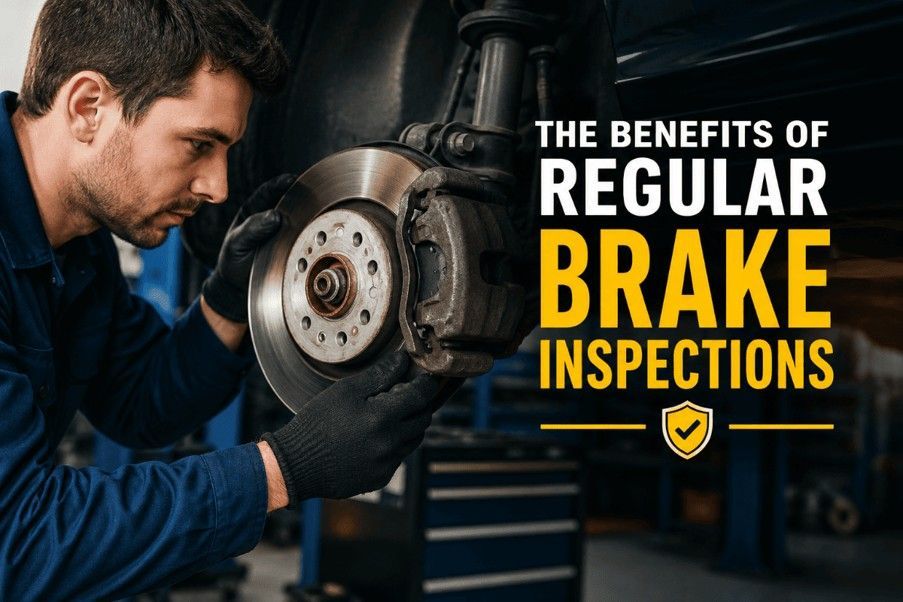
Discover the benefits of regular brake inspections, from safer stops to lower repair costs. Schedule a professional brake inspection in Portage, MI, today.
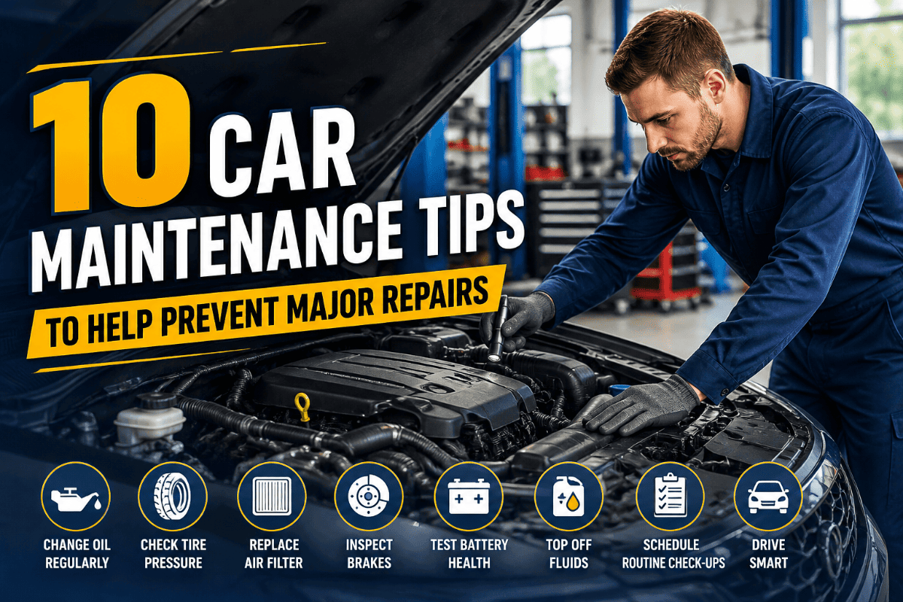
Follow these 10 car maintenance tips to prevent major repairs, improve vehicle safety, and save money with regular auto maintenance in Portage, MI.
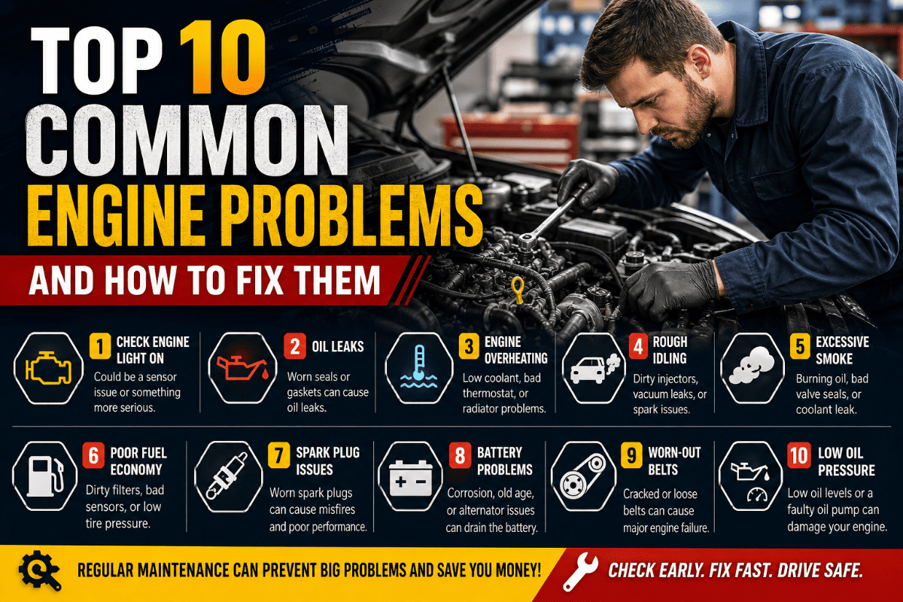
Discover 10 common engine problems, their warning signs, and practical fixes. Learn when to seek professional engine diagnostics to prevent costly repairs.
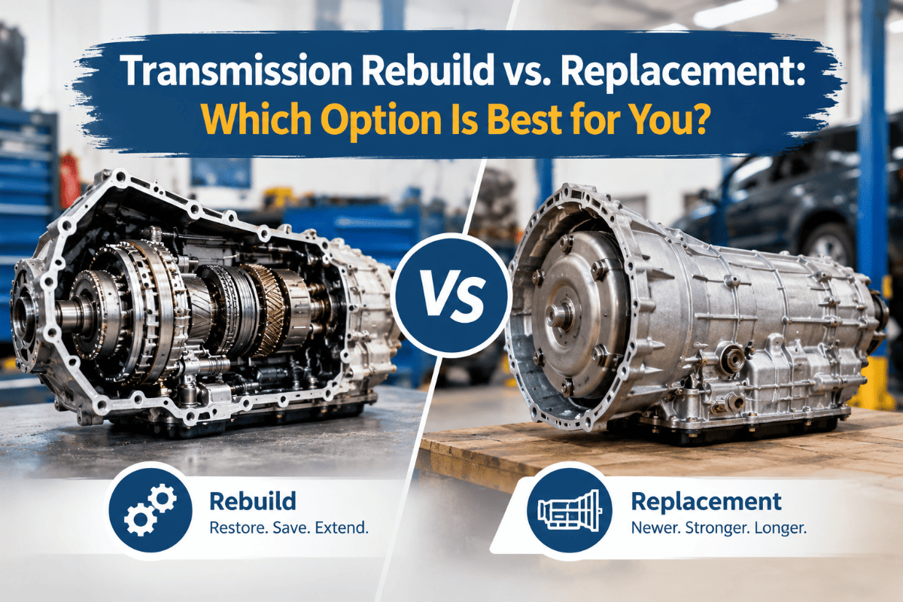
Compare transmission rebuild vs. replacement, including costs, benefits, repair time, and reliability. Get expert transmission service in Portage, MI.

Learn the common signs and causes of radiator problems, explore repair options, and discover when to seek professional help to prevent engine overheating and costly damage.

Learn how to extend the life of your transmission with essential maintenance tips, proper driving habits, and early warning signs to watch for.
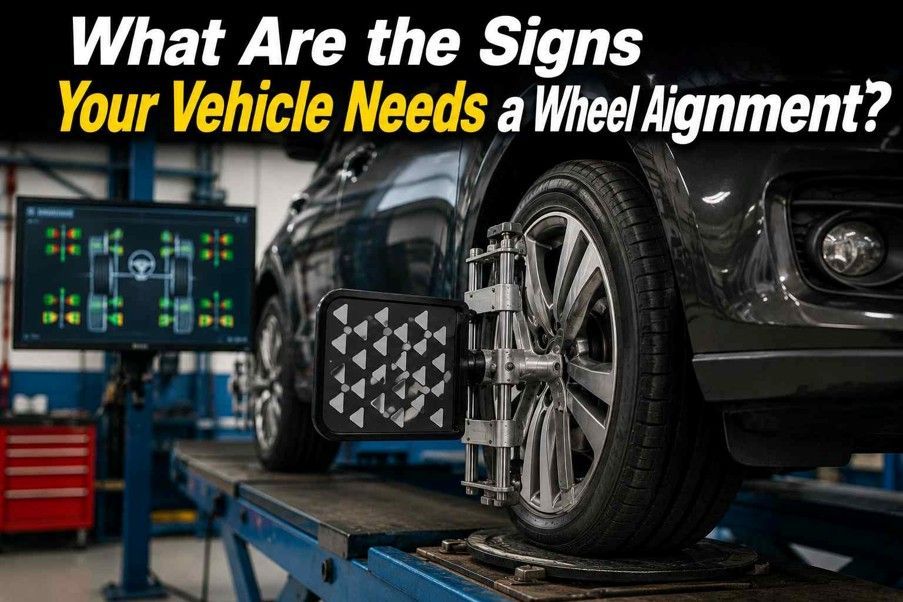
Learn the signs your vehicle needs a wheel alignment, including uneven tire wear, pulling, steering issues, and an off-center steering wheel.