Muffler Man of Portage has proudly served Portage, Kalamazoo, Oshtemo, and nearby Michigan communities since 2002. As a family-owned auto repair shop, the team specializes in mufflers, exhaust systems, brakes, suspension repair, diagnostics, and general automotive services. With certified technicians, advanced diagnostic tools, and a commitment to honest service, Muffler Man of Portage delivers reliable automotive repair solutions backed by years of hands-on industry experience
The first cold morning always catches someone off guard. You turn the key, hear a slow crank, and your day starts badly. We have seen this happen every October. A few simple fall car maintenance tips can stop it. In this guide, we walk you through each step like a friend would. You will learn what to check, why it matters, and when to ask a pro for help.
What Summer Leaves Behind Under Your Hood
Summer heat wears down your battery, fluids, and rubber parts, so autumn is the best time to check them. Hot weather and long road trips stress every system. Cooler nights then expose weak spots fast. Good fall vehicle maintenance works like a dentist visit. Small problems are cheap and easy to fix. Big ones show up at the worst time, often on a freezing morning.
October is also National Car Care Month, which is a handy reminder. Across Michigan, lake-effect snow, road salt, and sudden freezes are part of life. This kind of seasonal car maintenance protects both your safety and your budget.
Your Simple Checklist, One Step at a Time
Here is our fall vehicle maintenance checklist, in the order we would tackle it. Start by reading your owner’s manual. It lists the right fluids, oil grade, and service times for your exact vehicle.
Test the Battery First
Cold weather makes weak batteries fail, so test yours before winter arrives. Cold slows the chemical reaction inside the battery. It also makes your engine harder to turn over. Most batteries last three to five years, so age matters.
● Terminals: White or blue crust means corrosion, which blocks power from flowing.
● Case: Swelling or cracks mean it is time for a new battery.
● Load test: A quick shop test shows how much charge your battery really holds.
This step is a big part of car maintenance before winter, and it takes only a few minutes.
Change the Oil and Filter
Fresh oil protects your engine better in cold weather. Old oil turns thick and moves slowly on a cold start. If your last oil change came before summer travel, you are likely due. Use the oil grade listed in your manual, and always replace the filter.
Check the Brakes
Wet leaves and early frost make roads slick. Your brakes must stop you on time, every time. Watch for these signs:
● Noise: Squealing or grinding often means worn pads.
● Pedal feel: A soft or sinking pedal can point to low fluid or air in the lines.
● Pulling: A car drifting to one side under braking needs a closer look.
In our experience, brake noise is an early warning. Please never ignore it.
Look Closely at Your Tires
Tire pressure drops about one PSI for every 10 degrees of temperature loss. Check it with a gauge when the tires are cold. Use the number on the sticker inside your driver’s door, not the one on the tire. Next, try the penny test for tread. Place a penny upside down in a groove. If you can see the top of Lincoln’s head, it is time for new tires. Rotating tires every 5,000 to 7,500 miles helps them wear evenly. All-season tires handle light snow well. Drivers who face heavy snow or ice often choose winter tires for better grip.
Wipers, Washer Fluid, and Heater
Good vision matters on dark, rainy mornings. Replace wiper blades about once a year, or sooner if they streak. Fill the washer tank with freeze-resistant fluid, and keep an ice scraper in your car. Test your heater and defroster before you truly need them. Turn the heat to full and check each fan speed. Weak heat can point to low coolant or a clogged heater core.
Coolant and Fluids
Coolant does more than keep your engine cool. It also stops the engine from freezing in winter. Most cars use a 50/50 mix of antifreeze and water. Check the level when the engine is cold, and look at the hoses for cracks or leaks. Old coolant loses its protection, so ask a technician about a flush if yours looks dirty. Take a peek at the transmission fluid while you are there.
Lights and Cabin Air Filter
Days get shorter in fall, so test your headlights, brake lights, and turn signals. Replace any burned-out bulbs right away. Also swap the cabin air filter every 15,000 to 30,000 miles, or once a year. A fresh filter keeps the air clean and helps your heater work well.
Pack a Winter Emergency Kit
Another part of how to prepare your car for winter is packing a kit. A breakdown in freezing weather can turn risky fast. Keep these items in your trunk:
● Blanket and warm gloves: They keep you comfortable while you wait for help.
● Flashlight with spare batteries: You will need light to work in the dark.
● Jumper cables: A dead battery is a very common cold-weather problem.
● Sand or kitty litter: Either one adds traction if you get stuck on ice.
Also keep your gas tank at least half full. It gives you a safety buffer in a long traffic jam. It also limits moisture buildup inside the tank.
When to Call a Pro
You can handle many of these checks at home. Some jobs need special tools, though. Battery load tests, brake inspections, and coolant flushes fall in this group. A trusted car maintenance service can also spot problems you might miss. In our experience, a quick multi-point inspection catches small issues before they grow.
Ready for Fall? Let Us Help You Get There
Fall is short, and Michigan winters are long. A little work now gives you real peace of mind. Whether you tackle the list yourself or book help, the key is starting early.
We would love to help you finish this list. At Muffler Man of Portage, we have served Portage, Kalamazoo, Oshtemo, and Vicksburg since 2002. Our certified technicians handle oil changes, brakes, steering and suspension, and diagnostics. Our vehicle maintenance services come with a 24-month/24,000-mile warranty on qualifying work. Call us at (269) 323-1980, or stop by 106 East Centre Avenue.
FAQs
Add your custom HTML here
What car maintenance should I do in the fall in Michigan?
Test your battery, change old oil, inspect brakes, check tire pressure and tread, replace worn wipers, and top off coolant. Michigan’s cold snaps and road salt make these checks extra important.
Why is fall a good time for vehicle maintenance?
Summer heat stresses your car, and winter cold exposes weak parts. Fall sits right between them. Fixing small problems now costs less and helps you avoid breakdowns on icy, freezing mornings.
What should be included in a fall vehicle maintenance checklist?
Include the battery, oil and filter, brakes, tires, wipers, washer fluid, heater, defroster, coolant, lights, and cabin air filter. Add an emergency kit to your trunk.
How can I prepare my car for winter driving in Michigan?
Start with a battery test and good tires. Switch to winter tires if you face heavy snow. Fill the washer fluid with a freeze-resistant mix, keep the gas tank half full, and pack an emergency kit.
What should I check on my vehicle before colder weather?
Check your battery, tire pressure, brakes, fluids, wipers, lights, and heater. Look for leaks, cracks, or strange noises. If anything seems off, ask a technician to take a closer look.


Compare transmission rebuild vs. replacement, including costs, benefits, repair time, and reliability. Get expert transmission service in Portage, MI.
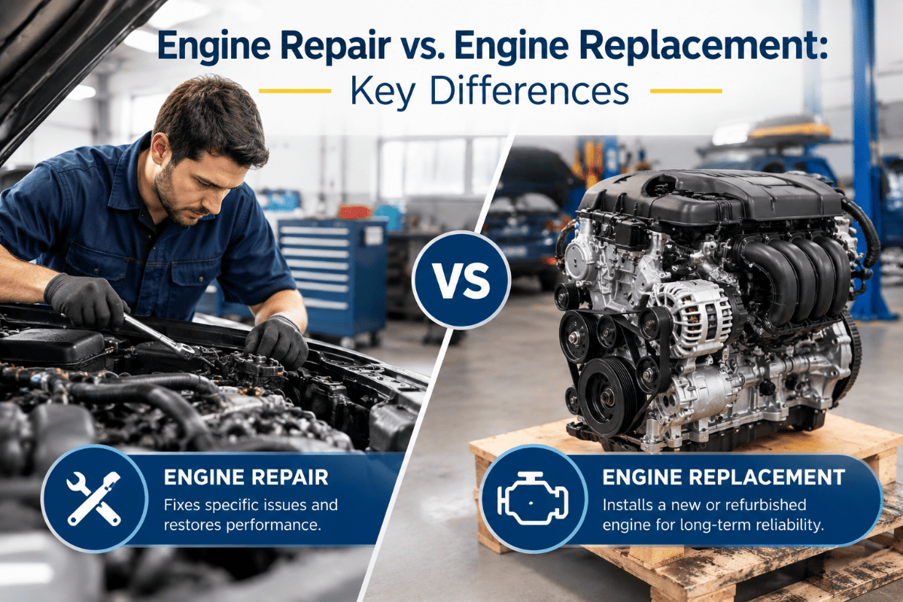
Compare engine repair vs. replacement, including costs, warning signs, benefits, and timelines. Get expert engine diagnostics at Muffler Man of Portage.
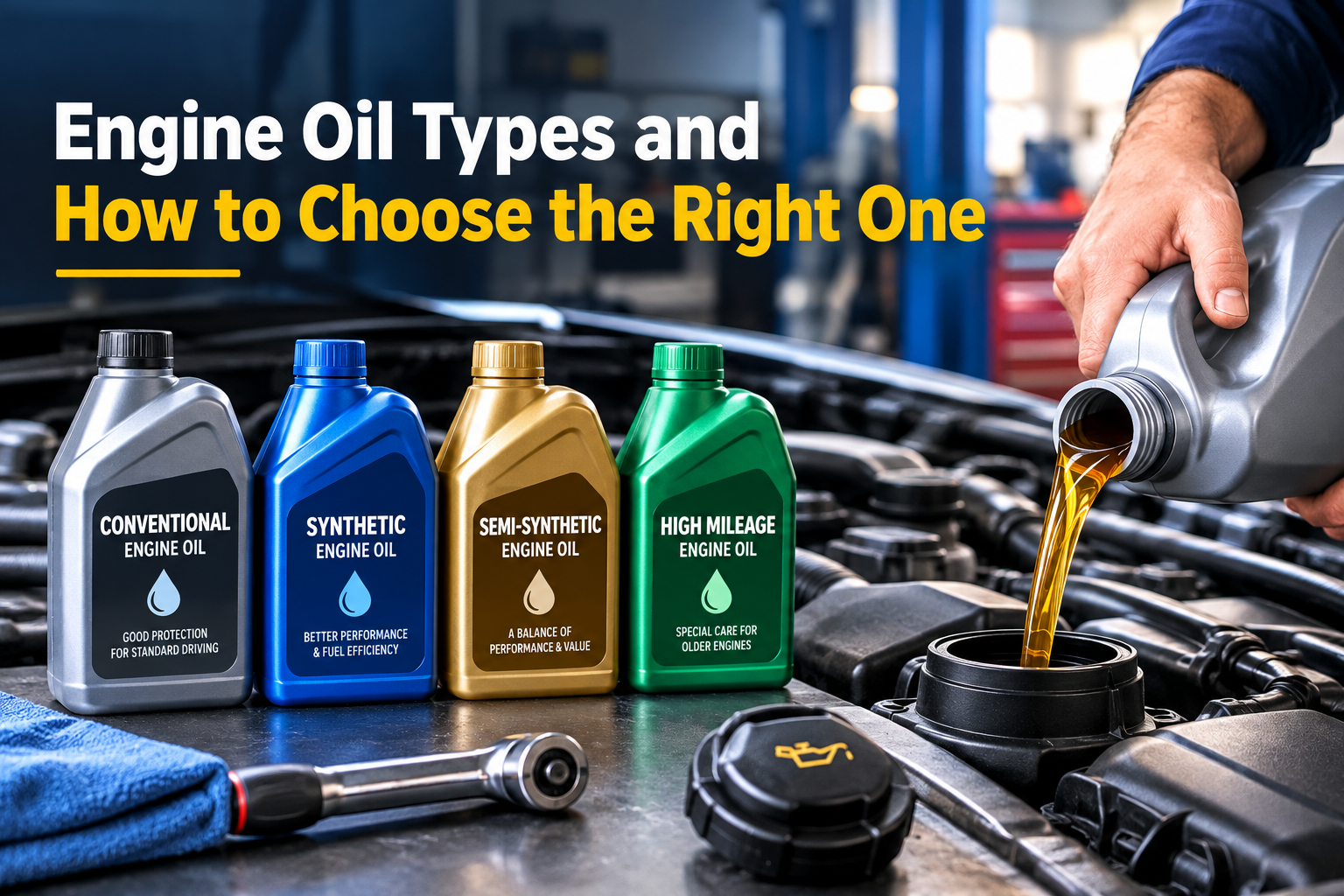
Learn about different engine oil types, their benefits, and how to choose the right oil for your car to protect your engine and improve performance.
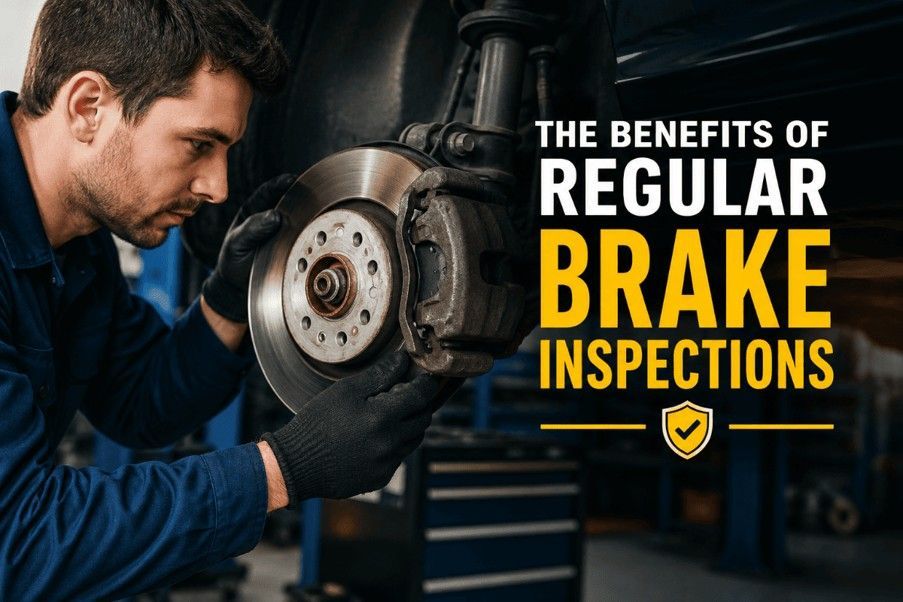
Discover the benefits of regular brake inspections, from safer stops to lower repair costs. Schedule a professional brake inspection in Portage, MI, today.
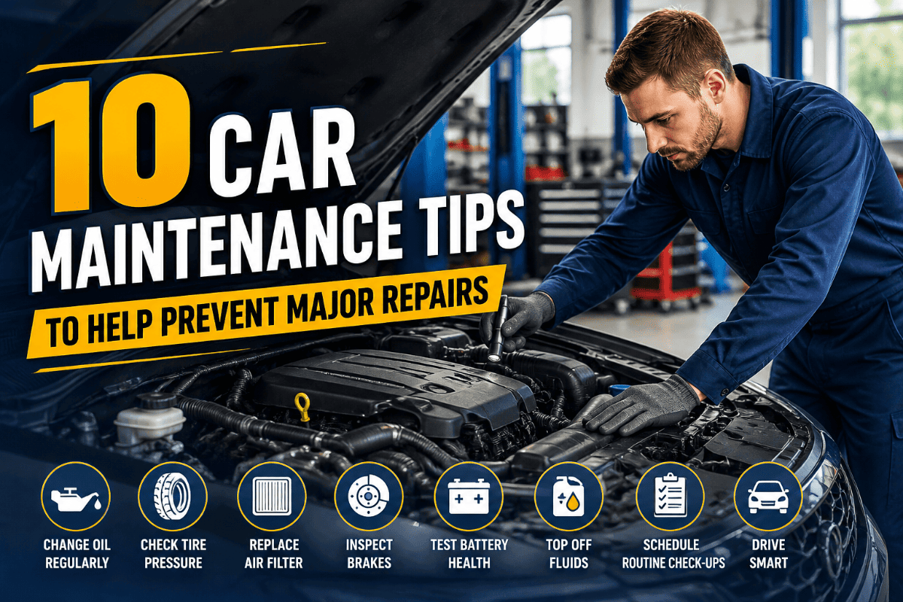
Follow these 10 car maintenance tips to prevent major repairs, improve vehicle safety, and save money with regular auto maintenance in Portage, MI.
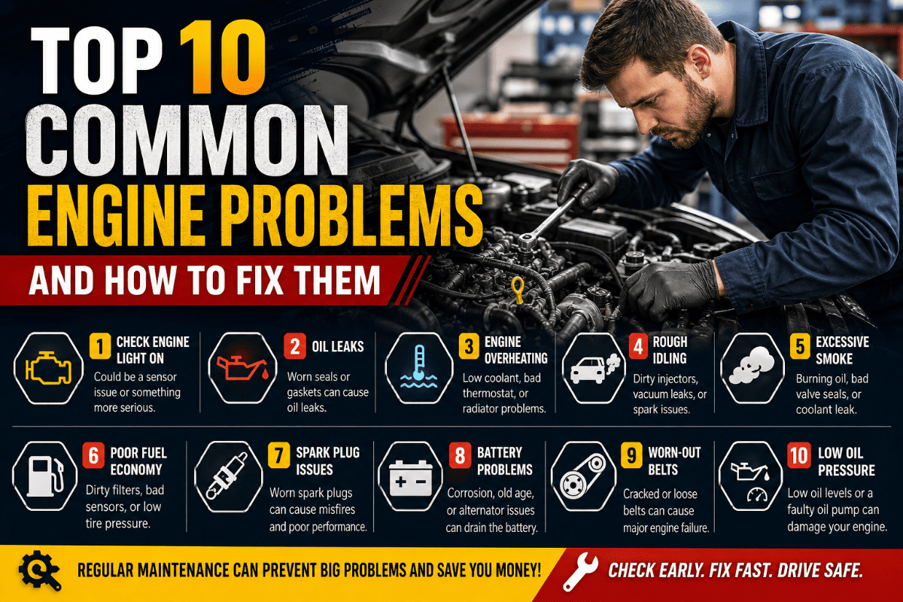
Discover 10 common engine problems, their warning signs, and practical fixes. Learn when to seek professional engine diagnostics to prevent costly repairs.

Learn the common signs and causes of radiator problems, explore repair options, and discover when to seek professional help to prevent engine overheating and costly damage.

Learn how to extend the life of your transmission with essential maintenance tips, proper driving habits, and early warning signs to watch for.
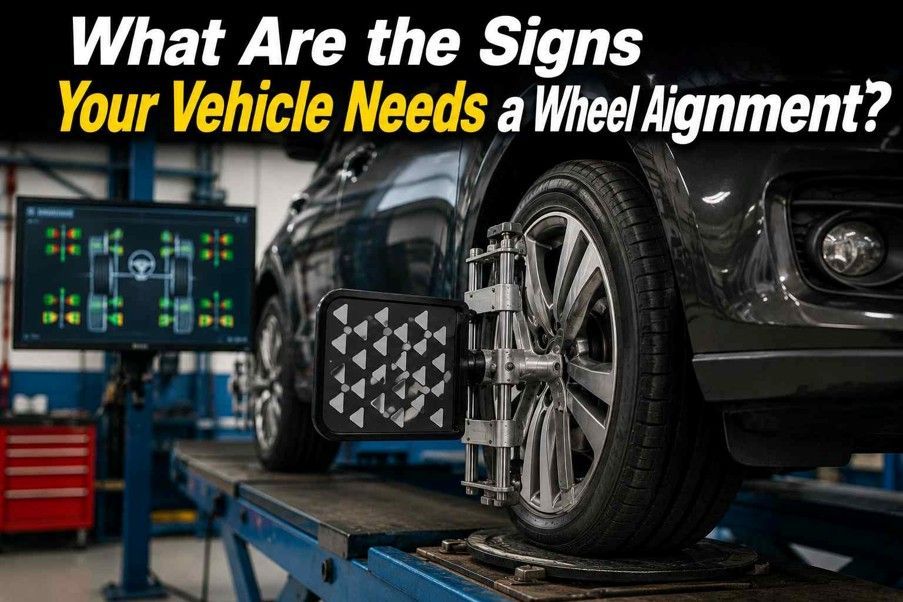
Learn the signs your vehicle needs a wheel alignment, including uneven tire wear, pulling, steering issues, and an off-center steering wheel.
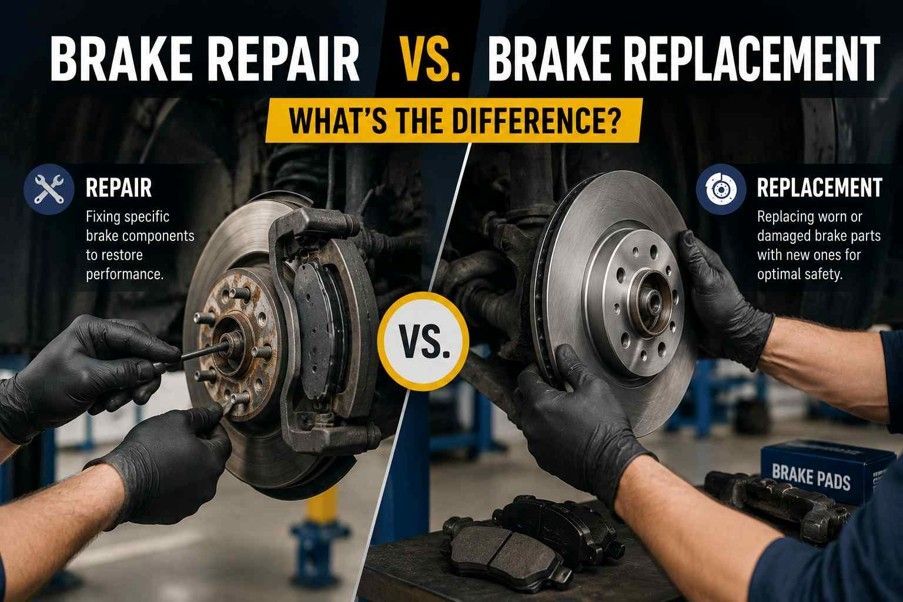
Learn the difference between brake repair and brake replacement, when each option may be needed, and the warning signs that your vehicle's brakes need attention.