Muffler Man of Portage has proudly served Portage, Kalamazoo, Oshtemo, and nearby Michigan communities since 2002. As a family-owned auto repair shop, the team specializes in mufflers, exhaust systems, brakes, suspension repair, diagnostics, and general automotive services. With certified technicians, advanced diagnostic tools, and a commitment to honest service, Muffler Man of Portage delivers reliable automotive repair solutions backed by years of hands-on industry experience
The most common signs your vehicle needs a wheel alignment include uneven tire wear, your car pulling to one side, an off-center steering wheel, and a steering wheel that vibrates while driving. These symptoms may indicate that your wheels are not aligned according to the manufacturer's specifications. Poor wheel alignment can affect vehicle handling, reduce tire life, and compromise driving stability. Recognizing these warning signs early can help prevent unnecessary tire wear and repair costs. Scheduling a professional wheel alignment service can help restore proper wheel positioning and support a smoother, more controlled driving experience.
What Does Wheel Alignment Actually Mean?
Alignment doesn't mean adjusting your wheels or tires directly. It's actually about adjusting the angles of your suspension, so your tires meet the road the way they should. When everything is aligned properly, all four tires point in the same direction and share the load evenly. Misalignment can happen slowly through normal wear, or suddenly after hitting a pothole or curb.
Top Signs Your Vehicle Needs a Wheel Alignment
The common signs my car needs an alignment include uneven tire wear, your vehicle pulling to one side, an off-center steering wheel, and difficulty driving straight. You may also notice loose steering or unusual tire noise. Recognizing these warning signs early helps protect your tires, improve handling, and prevent unnecessary repair costs.
Steering and Handling Signs
These signs often show up first, since they affect how your car feels while driving.
1.Car Drifting While Driving
Car drifting while driving on a flat, straight road is one of the clearest alignment signs. If you let go of the wheel for a second and the car pulls to one side, something in your suspension is likely off. This pull usually comes from uneven wheel angles. Ignoring it can lead to faster tire wear and a car that's harder to control.
2.Steering Wheel Isn't Centered
Your steering wheel should sit straight when you're driving in a straight line. If it looks tilted while the car moves forward normally, your wheels probably aren't aligned correctly. This is an easy sign to check just by glancing down during a normal drive.
3.Loose or Wandering Steering
If your steering feels less precise than it used to, or the car seems to wander within its lane, alignment could be the cause. This often points to a vehicle tracking problem, where your tires aren't moving in sync the way they should.
4.Steering Wheel Doesn't Return to Center
After completing a turn, your wheel should naturally straighten itself back out. If it feels stuck or reluctant to return, your alignment angles may be off, making it harder for the steering system to self-correct.
Vibration and Noise Signs
Sometimes alignment problems show up through what you feel and hear, not just how the car steers.
1.Vibrating Steering Wheel
A steering wheel that vibrates, especially at higher speeds, often points to uneven pressure across your tires. This is a common early clue that something in the alignment or suspension needs a closer look.
2.Squealing Tires
Tires that squeal when turning, even during normal driving, are working harder than they should. Misalignment forces tires to fight against each other slightly, creating that high-pitched sound and extra wear.
3.Tire Wear Signs
Your tires often tell the most honest story about your alignment.
Read More : Brake Repair vs. Brake Replacement: What's the Difference?
| Wear Pattern | Likely Cause |
|---|---|
| Outer edge wear | Wheels angled inward (toe-in) |
| Inner edge wear | Wheels angled outward (toe-out) |
| One-sided wear | Camber angle is off on one wheel |
| Uneven wear across tires | General alignment issue |
Checking your tread regularly helps you catch wheel alignment issues and improve tire life before they become expensive tire replacements.
Performance Signs
A few signs show up in how your car drives overall, rather than through a single obvious symptom.
1.Poor Fuel Efficiency
Misaligned wheels create extra resistance as you drive, since the tires aren't rolling in perfect harmony. Your engine works harder to compensate, which can quietly increase how often you fill up.
2.Difficulty Handling Corners
If your car feels unstable or hesitant while turning, your tires may not be working together properly. Alignment issues make it harder for all four tires to share the load evenly through a curve.
3.Suspension Noise
New creaks or groans while driving can mean alignment problems are putting extra strain on your suspension. Left unchecked, this added stress wears down shocks and struts faster than normal.
Is It Safe to Drive With Bad Wheel Alignment?
Technically, you can keep driving, but it isn't a good idea for long. Poor alignment reduces your control, especially in wet or slippery conditions, and increases stopping distance in an emergency. The longer it goes unchecked, the more it costs you in tire wear, fuel, and possible suspension repairs. It's one of those issues that rarely gets better on its own.
Read More : Preventive Car Maintenance: What Should You Check Regularly?
Why This Matters for Your Front-End Alignment?
A proper front-end alignment affects far more than comfort. It protects your tires from uneven wear, keeps your fuel efficiency steady, and helps your car respond the way it should in sudden situations. Getting it checked as soon as you notice these signs is almost always cheaper than waiting until tires or suspension parts need full replacement.
Book Your Alignment Check With Muffler Man
We know a car that pulls or wanders can make every drive feel a little less confident, and we don't think you should have to live with that. Our certified auto repair mechanics use proper equipment to pinpoint exactly what your suspension needs, not just a quick guess. If you're noticing any of the signs above, Muffler Man offers a reliable tire alignment service to get your car tracking straight again. Give us a call or stop by, and let's get your ride back to feeling the way it should.
FAQs
What are the signs your vehicle needs a wheel alignment?
Pulling to one side, an off-center steering wheel, uneven tire wear, and vibration while driving are the clearest signs your alignment needs attention.
How do I know if my car needs an alignment?
Watch for drifting on straight roads, a crooked steering wheel, or tires wearing unevenly. Any of these usually means it's time for a check.
What causes a car to go out of alignment?
Regular wear over time, hitting a pothole, curb, or bumping a parking block can all knock your wheels out of proper alignment.
Why does my car pull to the left or right?
Uneven wheel angles cause your tires to push in different directions. This creates a noticeable pull, even when driving straight on a flat road.
Why is my steering wheel not straight?
If your steering wheel sits crooked while driving straight, your wheels are likely misaligned. A professional alignment check can confirm and correct it.
Can bad alignment cause uneven tire wear?
Yes. Misalignment puts extra pressure on certain parts of your tires, wearing down the edges or one side faster than the rest of the tread.
How often should a vehicle get a wheel alignment?
Most vehicles benefit from an alignment check once a year, or anytime you notice pulling, vibration, or uneven tire wear between visits.
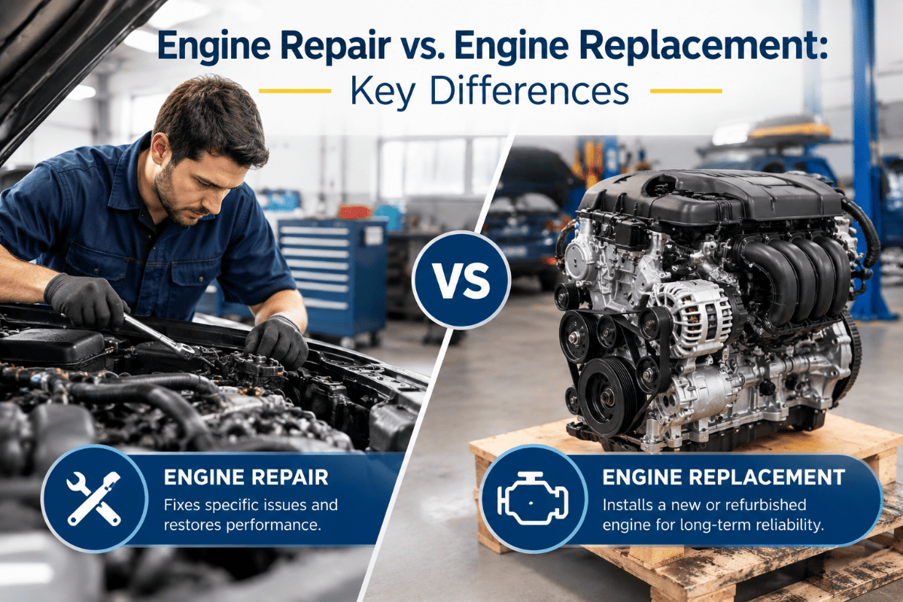
Compare engine repair vs. replacement, including costs, warning signs, benefits, and timelines. Get expert engine diagnostics at Muffler Man of Portage.
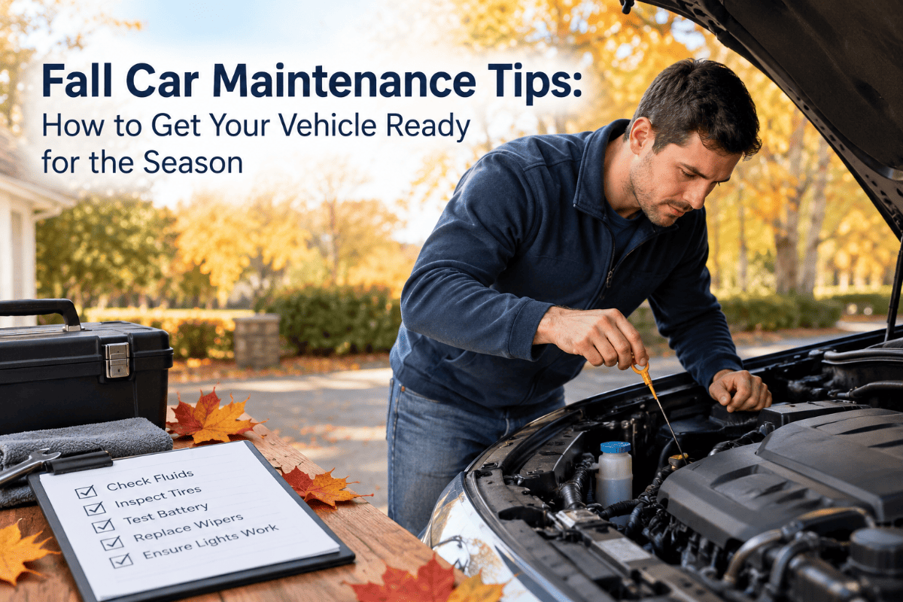
Get essential fall car maintenance tips to prepare for Michigan winter. Check your battery, tires, brakes, fluids, and more with this simple checklist.

Learn about different engine oil types, their benefits, and how to choose the right oil for your car to protect your engine and improve performance.
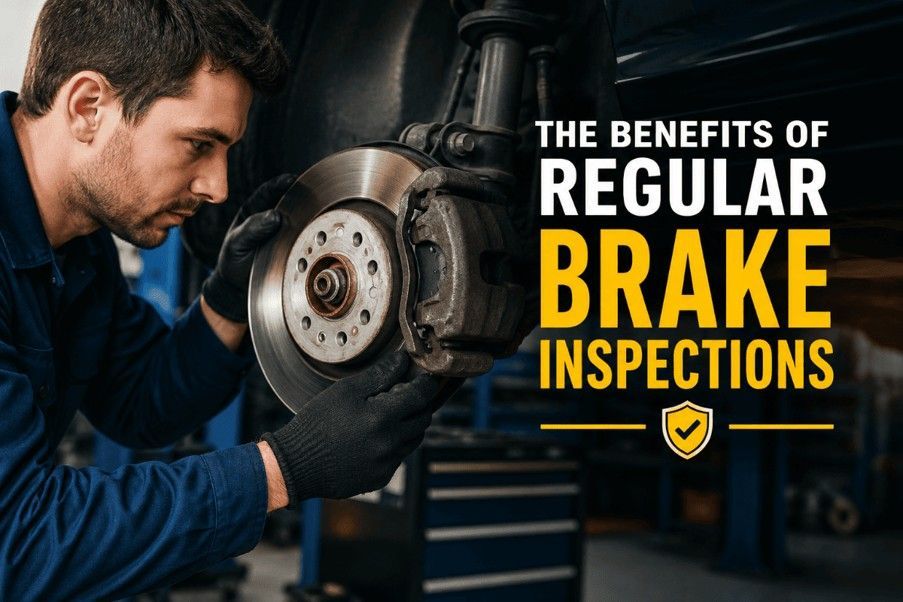
Discover the benefits of regular brake inspections, from safer stops to lower repair costs. Schedule a professional brake inspection in Portage, MI, today.
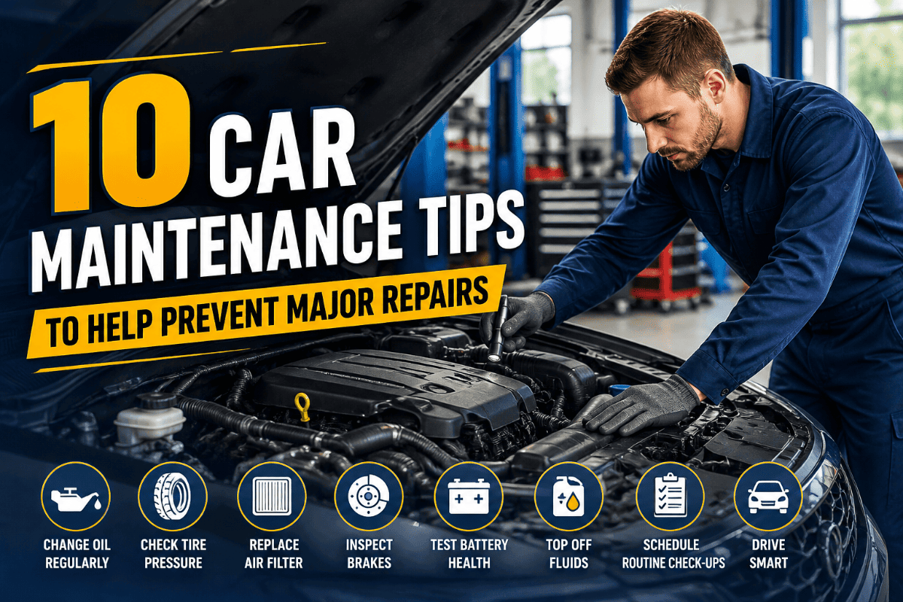
Follow these 10 car maintenance tips to prevent major repairs, improve vehicle safety, and save money with regular auto maintenance in Portage, MI.
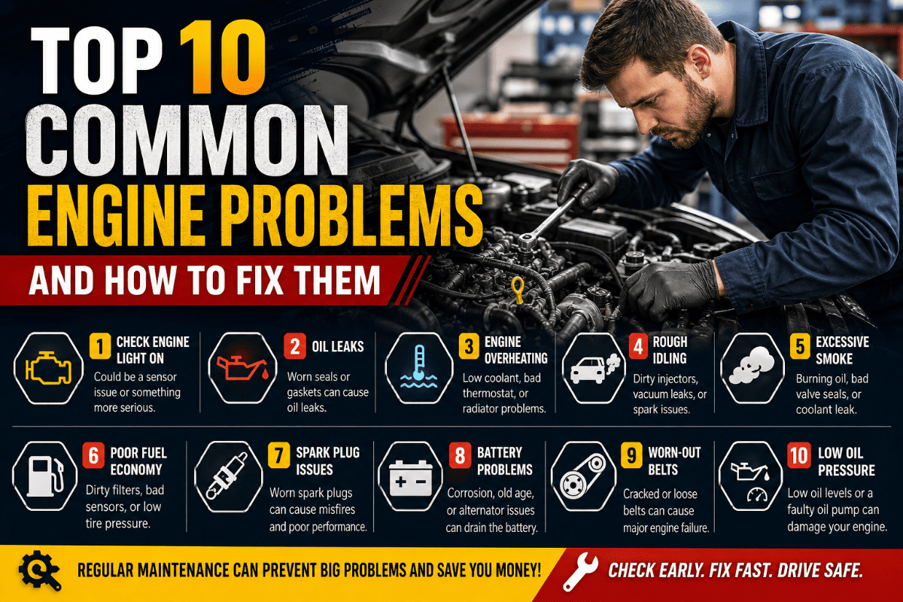
Discover 10 common engine problems, their warning signs, and practical fixes. Learn when to seek professional engine diagnostics to prevent costly repairs.
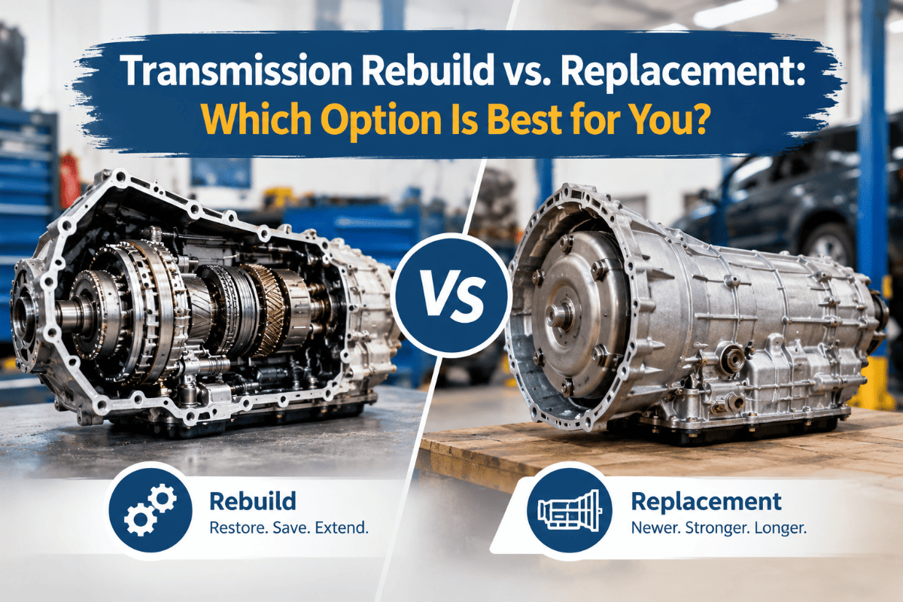
Compare transmission rebuild vs. replacement, including costs, benefits, repair time, and reliability. Get expert transmission service in Portage, MI.

Learn the common signs and causes of radiator problems, explore repair options, and discover when to seek professional help to prevent engine overheating and costly damage.

Learn how to extend the life of your transmission with essential maintenance tips, proper driving habits, and early warning signs to watch for.
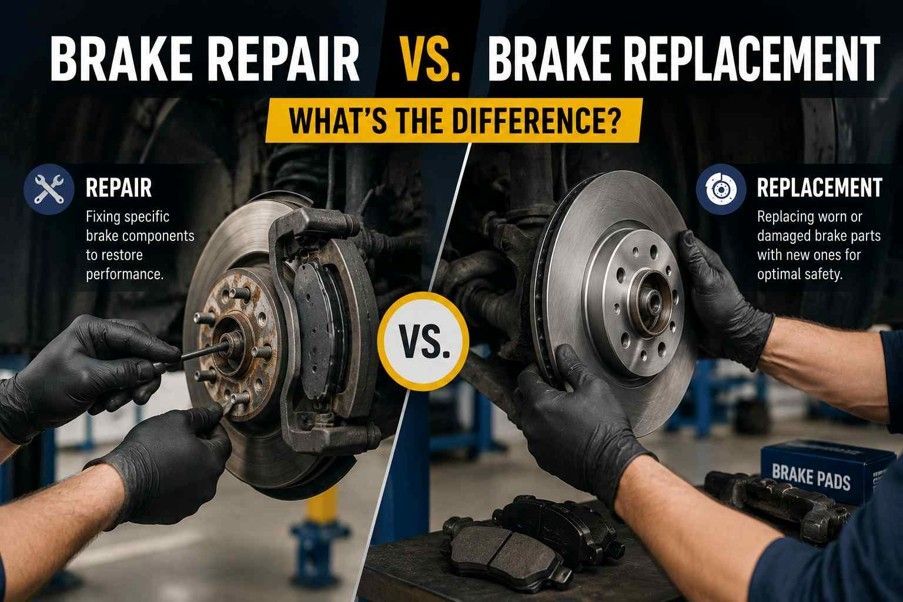
Learn the difference between brake repair and brake replacement, when each option may be needed, and the warning signs that your vehicle's brakes need attention.