Muffler Man of Portage has proudly served Portage, Kalamazoo, Oshtemo, and nearby Michigan communities since 2002. As a family-owned auto repair shop, the team specializes in mufflers, exhaust systems, brakes, suspension repair, diagnostics, and general automotive services. With certified technicians, advanced diagnostic tools, and a commitment to honest service, Muffler Man of Portage delivers reliable automotive repair solutions backed by years of hands-on industry experience
```
this. You are rolling down a wet road, and the car ahead stops fast. You press the pedal, and your car slows right on time. Most of us never think about this moment until something goes wrong. Good habits like regular brake inspections keep it boring and safe. In this guide, we share what we have learned from years of working on brakes. We use plain words, so you know what to watch for and when to act.
Why Your Brakes Deserve Attention
Your brakes do one job. It matters more than any other part of your car. Every time you stop, pads squeeze against metal discs called rotors. This friction slows the car and turns your speed into heat.
Because of this friction, parts wear down a little each day. The change is so slow most drivers never notice it. We have seen drivers swear their brakes felt fine, yet their pads were almost gone. A quick check would have caught the problem weeks earlier.
The Benefits of Regular Brake Inspections
Let’s walk through the benefits of regular brake inspections one by one.
Safer Stops Every Time
Worn brakes need more distance to stop your car. A check shows whether your pads, rotors, and fluid can still do the job. Think of it like checking your tire tread before a long road trip.
Lower Repair Bills
Pads are cheap to replace when you catch them early. Wait too long, and metal starts grinding on metal. This damages the rotors, and then you pay for more parts and more labor. A small fix turns into a big bill.
Longer Life for Brake Parts
Clean, well-adjusted brakes wear evenly. A stuck caliper or old fluid can wear parts out much faster. Finding these issues early helps your pads and rotors last longer.
Peace of Mind
You will know exactly where your brakes stand. There is no guessing on a steep hill or in heavy traffic. That calm feeling is worth a lot.
How Often Brakes Should Be Checked
Drivers often ask us how often brakes should be inspected. A simple rule works for most cars. Get a check about every six months, or every 6,000 to 7,500 miles. An easy trick is to pair it with your oil change or tire rotation.
Your owner’s manual may give a different schedule, so take a quick look. You may need checks more often if you tow or drive in heavy traffic. Hilly roads also wear brakes faster. Michigan adds another reason. Winter salt and slush can rust brake parts. A fall check is smart.
Signs It Is Time for a Check
Drivers also ask us, when should you get a brake inspection outside the normal schedule? Your car usually gives you clues. Watch for these signs:
● Squealing: Most pads have a small metal tab that squeals when they wear thin.
● Grinding: A harsh metal sound often means the pads are worn through.
● Shaking: A pulse in the pedal or steering wheel can point to uneven rotors.
● A soft pedal: If it feels spongy or sinks low, get it checked fast.
● Pulling: Your car drifts to one side when you brake.
● Warning lights: A brake or ABS light on the dash needs a look.
● Burning smell: A sharp odor after hard braking can mean overheated brakes.
If you notice any of these, do not wait for your next scheduled check. Early action keeps a small problem from growing.
What Happens During a Car Brake Inspection
A car brake inspection is simple, and it does not take long. Here is what a good technician does, step by step:
- Listen to you: You describe any noises, smells, or changes in pedal feel.
- Check the brake fluid: The tech looks at the level and color. Fluid absorbs moisture over time. Car makers often suggest changing it every two to three years.
- Measure the pads: Pads near 3 millimeters, or one-eighth of an inch, are usually due for replacement.
- Inspect the rotors: The tech looks for cracks, deep grooves, rust, and uneven wear.
- Check calipers, hoses, and lines: Leaks, cracks, and rust are the main things to catch.
- Test the parking brake: It should hold the car firmly in place.
- Take a test drive: This shows how the brakes feel and respond on the road.
A good brake inspection service ends with a clear report. Ask what looks fine, what needs work soon, and what needs work now. That simple list helps you plan and budget with confidence.
An Inspection Is Not the Same as Repair
An inspection is a health check. It tells you what shape your brakes are in. A brake service is the work that follows. It may mean new pads, resurfaced rotors, or fresh fluid. If your brakes pass, you simply drive on and check again later.
Easy Habits Between Visits
Between visits, stay alert. Turn the radio down now and then and listen as you stop. Notice if the pedal feels different from last week. Glance at the fluid level when you look under the hood. Small habits like these help you spot trouble early.
Book Your Brake Inspection Today
Your brakes work hard every day, so give them a little care in return. Make regular brake inspections a habit to stay safe and save money. If it has been more than six months, now is a good time to book.
We would love to help you do it. At Muffler Man in Portage, our Michigan-certified technicians offer an honest auto brake inspection service. We have been family-owned since 2002. We will explain what we find in plain words, with no pressure. Call us or stop by today, and let’s keep your stops smooth and safe.
FAQs
How often should I have my brakes inspected in Portage, MI?
Plan on a check every six months or 6,000 to 7,500 miles. Michigan winters bring salt and slush, so a fall inspection helps. Drive a lot, tow, or do city stops? Check more often.
Why are regular brake inspections important?
They catch worn pads, low fluid, and damaged parts early. This keeps stopping distance short, lowers repair costs, and helps parts last longer. Most of all, they keep you and others on the road safer.
What are the signs that my brakes need to be inspected?
Watch for squealing, grinding, a soft pedal, shaking, or pulling to one side. A brake warning light or burning smell also needs attention. Do not wait if you notice any of these.
What is included in a professional brake inspection?
A technician checks fluid, pads, rotors, calipers, hoses, and the parking brake. They measure pad thickness and look for leaks or damage. A short test drive confirms how the brakes feel and respond.
How can regular brake inspections help prevent costly repairs?
Small problems stay small when you find them early. A thin pad costs far less than a ruined rotor. Catching leaks or stuck parts early also protects other brake parts from extra wear.
Add your custom HTML here

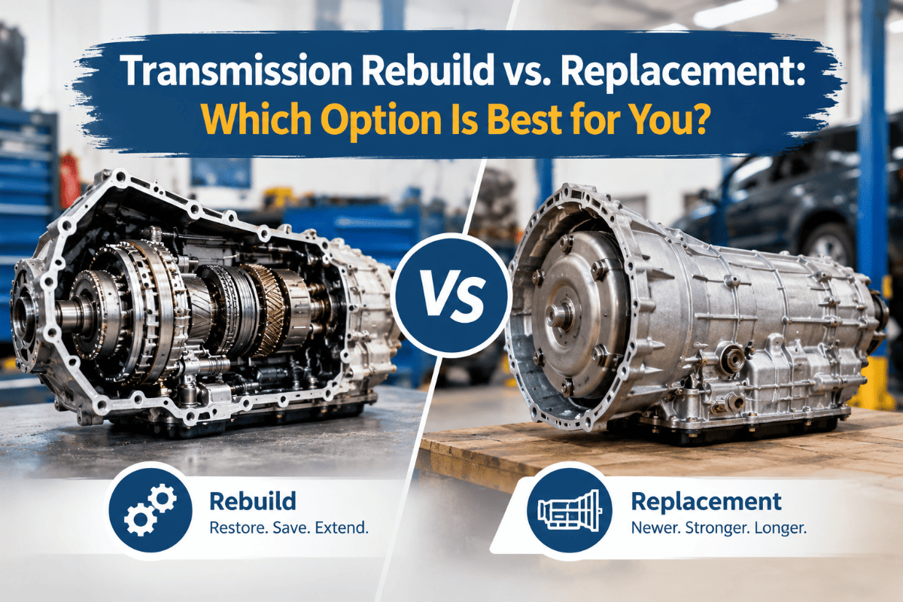
Compare transmission rebuild vs. replacement, including costs, benefits, repair time, and reliability. Get expert transmission service in Portage, MI.
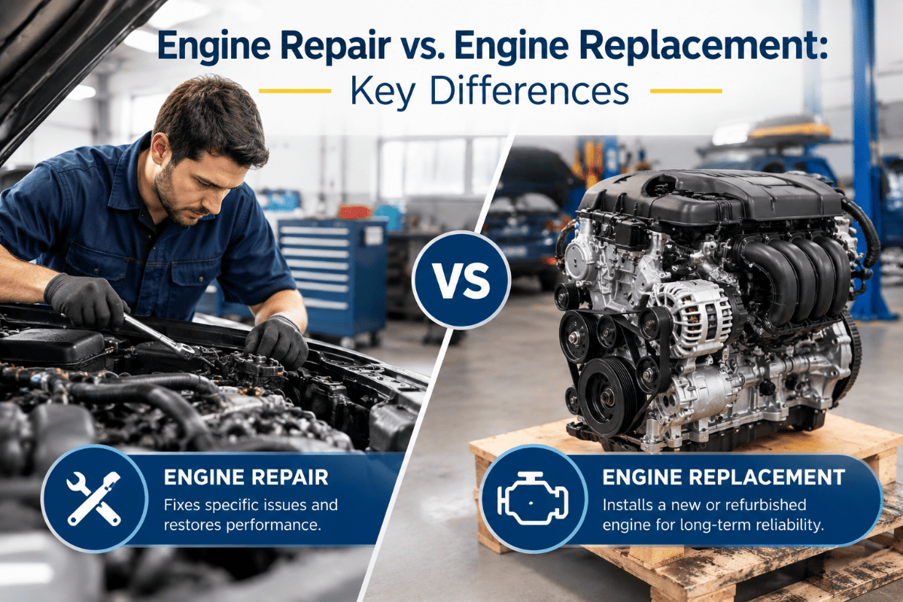
Compare engine repair vs. replacement, including costs, warning signs, benefits, and timelines. Get expert engine diagnostics at Muffler Man of Portage.
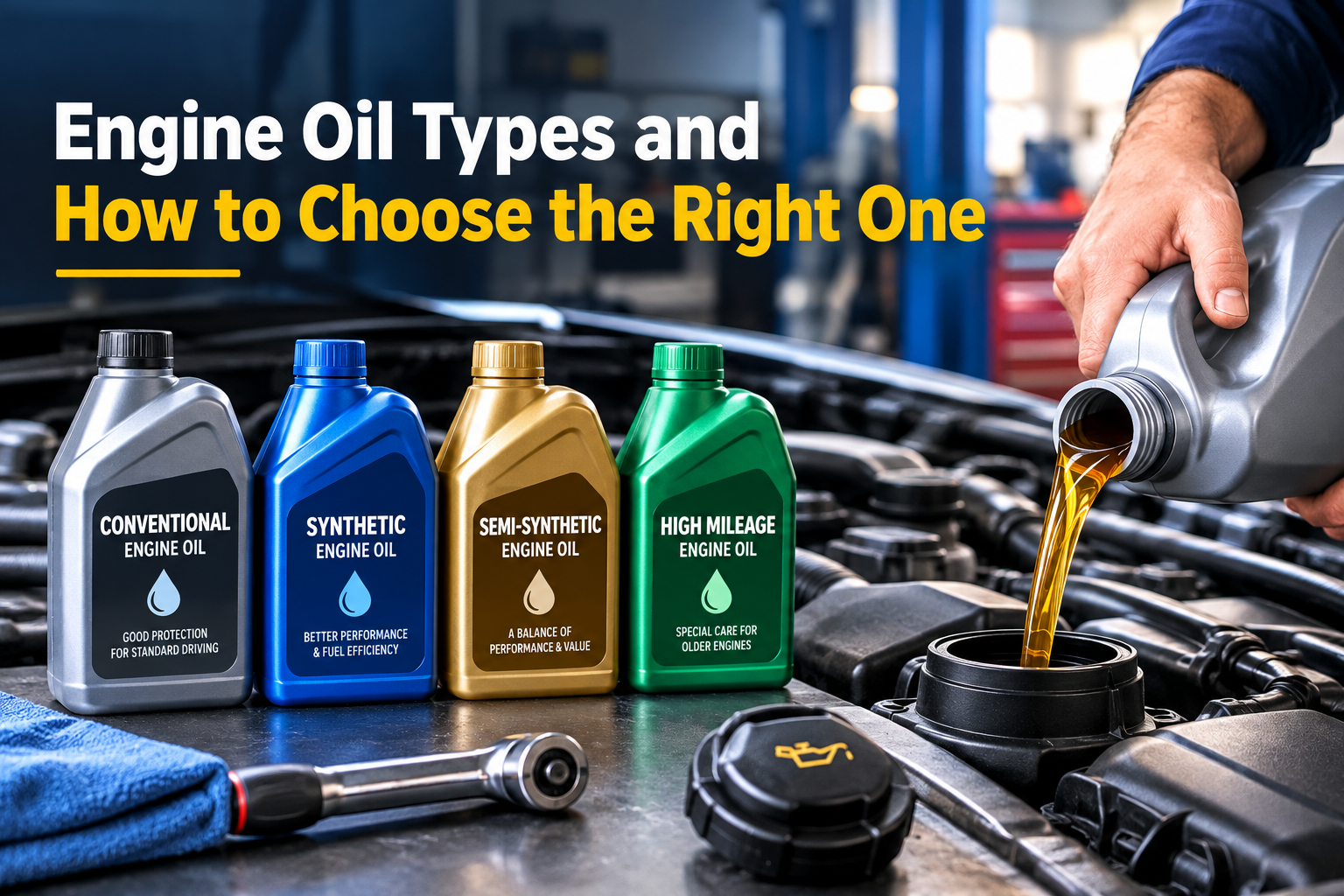
Learn about different engine oil types, their benefits, and how to choose the right oil for your car to protect your engine and improve performance.
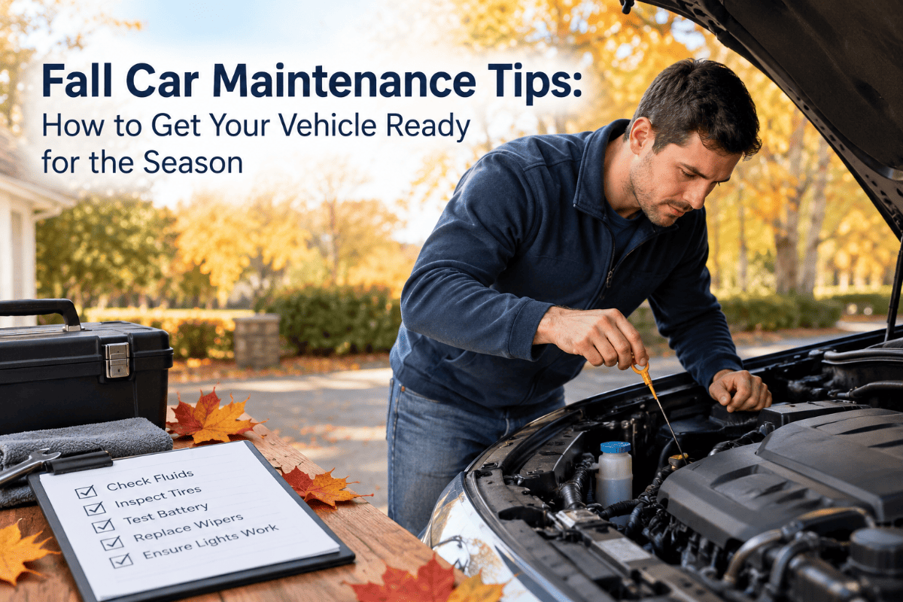
Get essential fall car maintenance tips to prepare for Michigan winter. Check your battery, tires, brakes, fluids, and more with this simple checklist.
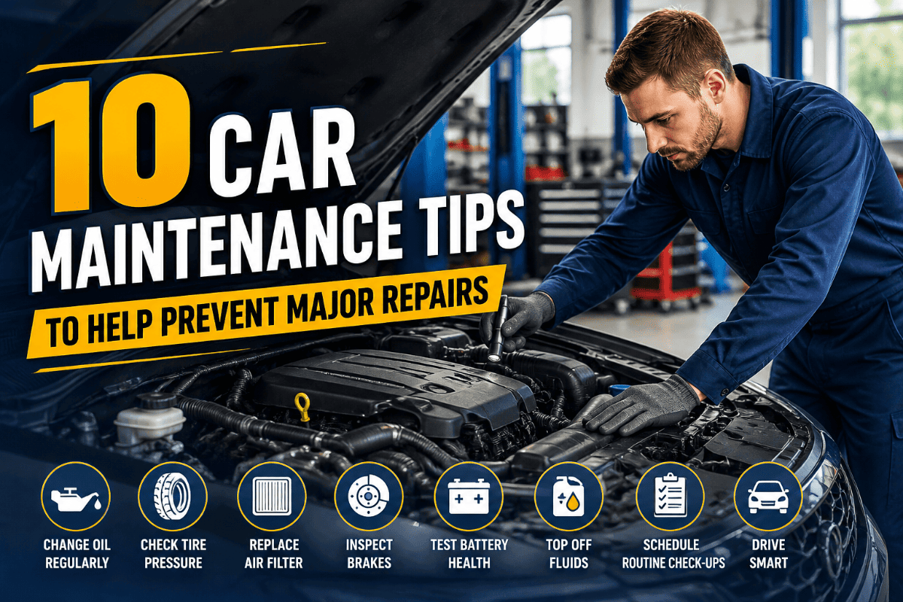
Follow these 10 car maintenance tips to prevent major repairs, improve vehicle safety, and save money with regular auto maintenance in Portage, MI.
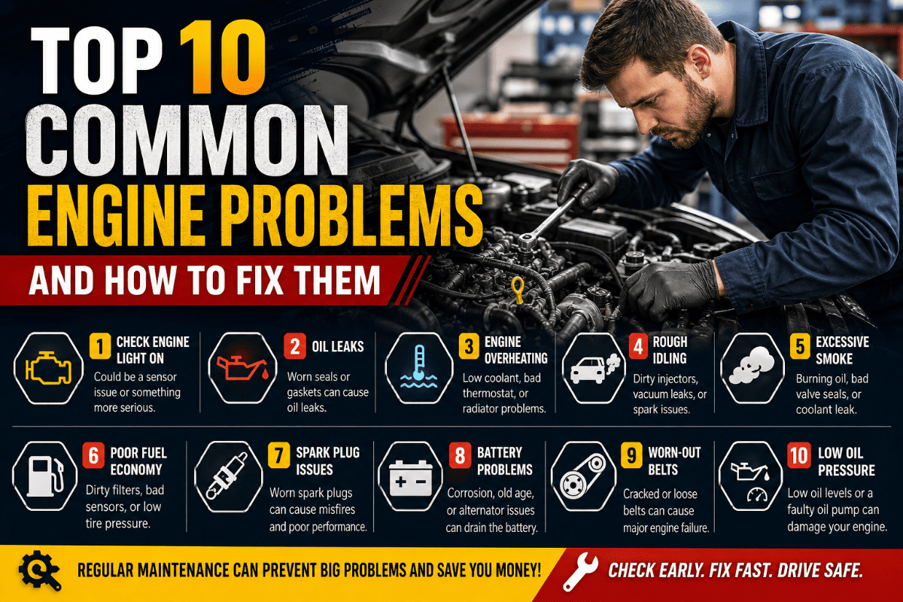
Discover 10 common engine problems, their warning signs, and practical fixes. Learn when to seek professional engine diagnostics to prevent costly repairs.

Learn the common signs and causes of radiator problems, explore repair options, and discover when to seek professional help to prevent engine overheating and costly damage.

Learn how to extend the life of your transmission with essential maintenance tips, proper driving habits, and early warning signs to watch for.
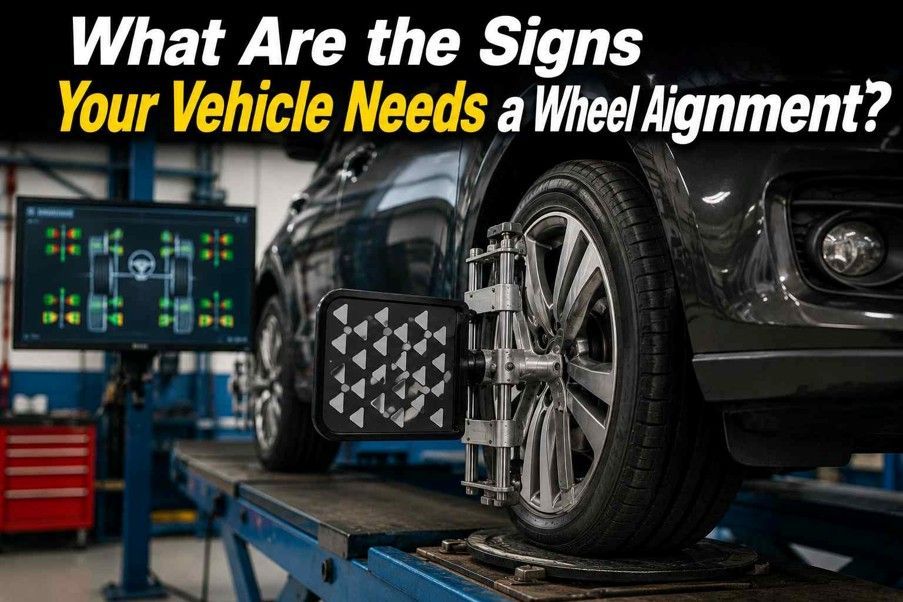
Learn the signs your vehicle needs a wheel alignment, including uneven tire wear, pulling, steering issues, and an off-center steering wheel.
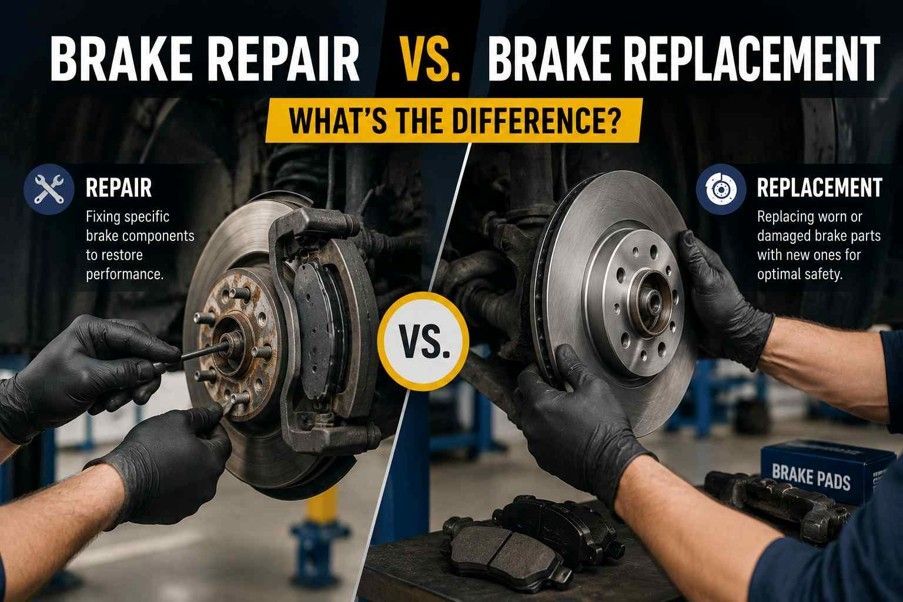
Learn the difference between brake repair and brake replacement, when each option may be needed, and the warning signs that your vehicle's brakes need attention.