Muffler Man of Portage has proudly served Portage, Kalamazoo, Oshtemo, and nearby Michigan communities since 2002. As a family-owned auto repair shop, the team specializes in mufflers, exhaust systems, brakes, suspension repair, diagnostics, and general automotive services. With certified technicians, advanced diagnostic tools, and a commitment to honest service, Muffler Man of Portage delivers reliable automotive repair solutions backed by years of hands-on industry experience
A strange noise on a Monday morning can ruin your whole week. The repair bill often makes it worse. After years of working around cars, we have learned one simple truth. Small checks cost little, while big repairs cost a lot. These car maintenance tips take only a few minutes each month, and most need no special tools. Follow along, and you can catch trouble early, save money, and drive with more peace of mind.
Why Small Fixes Save You Big Money
Think of your car like your body. A quick checkup costs far less than a hospital stay. Regular vehicle maintenance keeps parts clean, cool, and working well together. When one part wears out, it often stresses the parts around it. A cracked belt can overheat an engine. Thin brake pads can scratch the rotors. This is how regular car maintenance prevents major repairs, because it stops one small problem from turning into a chain reaction.
Preventive car maintenance also keeps you safe. Good tires, brakes, and lights help you avoid accidents. Your owner’s manual is the best guide, since every car has its own schedule.
Read More : Radiator Problems: Signs, Causes, and Repair Options
The Best Preventive Maintenance for Cars: 10 Simple Tips
Wondering how often you should maintain your car? Each tip below gives you an easy timeline. Here is the best preventive maintenance for cars, one step at a time
.
1. Check Your Tires Every Month
Tires grip the road and help you save fuel. Check the air pressure once a month and before long trips. You will find the right PSI on a sticker inside the driver’s door. Rotate your tires every 5,000 to 8,000 miles. For tread, try the penny test. Place a penny in a groove with Lincoln’s head facing down. If you can see his whole head, it is time for new tires.
2. Change Your Oil on Time
Oil keeps the engine slick, cool, and clean. Old oil gets thick and dirty, and parts wear out fast. Most cars need a change every 5,000 to 7,500 miles, while full synthetic oil can often go up to 10,000. To check the level, park on flat ground with the engine off. Pull the dipstick, wipe it clean, put it back, and read the mark.
3. Replace Your Air Filters
Your car has two air filters. The engine filter keeps dirt out of the engine. A clogged one makes the engine work harder and burn more fuel, so check it at every oil change. The cabin filter cleans the air you breathe inside the car. Replace it every 15,000 to 30,000 miles. Hold either filter up to a light. If no light shines through, it is time for a new one.
4. Test Your Battery Twice a Year
Your battery starts the engine and powers your electronics. Test it before winter and again before summer, since extreme cold and heat both wear it down. Most batteries last three to five years. Look for white or green crust on the terminals. You can clean it off with baking soda and water. Wear gloves and eye protection when you do.
5. Inspect Your Brakes
Brake pads squeeze metal discs called rotors to slow your car. Worn pads can scratch the rotors, and that repair costs much more. Check the pads every 12,000 to 15,000 miles, or when you rotate your tires. Look through the wheel spokes. If a pad is a quarter inch thick or less, plan a replacement. Squealing, grinding, or a soft pedal means you should get it checked right away.
6. Replace Wiper Blades Yearly
Wipers are made of rubber, so sun, snow, and grit wear them down. Look them over every six months. Replace them about once a year, or sooner if they streak or squeak. Check your manual for the right size.
7. Wash Your Car Often
A wash does more than make your car look good. Road salt, bird droppings, and tree sap slowly eat away paint and metal. This can lead to rust, which is costly to fix. Wash your car every two weeks, and more often when roads are salty. Rinse the underside too, since salt hides there.
8. Look Over Belts and Hoses
The serpentine belt runs your power steering, air conditioning, and alternator. Hoses carry coolant through the engine. If either one fails, the engine can overheat fast. Check them twice a year. Look for cracks or frayed edges on the belt. With the engine cool, gently squeeze each hose. If it feels hard or spongy, have it replaced.
9. Test Your Lights
Working lights help you see the road and help others see you. Check them once a month. Turn on your headlights, then walk around the car. Ask a friend to press the brake pedal while you check the tail lights. Replace any bulb that is dim or burned out.
10. Check Your Key Fluids
Fluids cool, clean, and move power through your car. Check coolant, brake fluid, power steering fluid, transmission fluid, and washer fluid once a month. Check coolant only when the engine is cool. Some cars need the engine running to check transmission fluid, so follow your manual.
Know When to Call a Professional
You can do many of these checks yourself. Others need a lift and special tools. Brake work, belt changes, and transmission checks are good examples. A trusted car maintenance service can spot wear early, often before you notice a single warning sign.
Book Your Next Checkup and Drive With Confidence
We hope these car maintenance tips make your next few months smoother. If you would rather leave the work to experts, we are here to help.
At Muffler Man in Portage, we offer full-service auto repair for everyday drivers. Our Michigan-certified technicians, family-owned since 2002, handle oil changes, brake checks, and more. We back our work with a 24-month, 24,000-mile warranty. Stop by our Portage shop today, and let us keep your car running strong.
FAQs
What are the most important car maintenance tasks for U.S. drivers?
Oil changes, tire care, brake checks, and fluid checks matter most. Add battery tests, filter swaps, and light checks to the list. Together, they keep your car safe, reliable, and less likely to need costly repairs.
How often should I have my car serviced in Portage, MI?
Aim for a checkup every 5,000 to 7,500 miles, or about twice a year. Michigan winters and road salt add wear, so follow your owner’s manual and have brakes, battery, and underbody checked before winter.
Why is regular vehicle maintenance important?
It keeps your car safe, reliable, and efficient. Small checks catch worn parts early, before they harm other parts. It also helps you avoid sudden breakdowns, big repair bills, and a lower resale value.
How can preventive maintenance help avoid major car repairs?
It finds small problems early, like thin brake pads or a cracked belt. Fixing them is cheap. Waiting can damage rotors, engines, and other costly parts, so one small repair can stop a chain of big ones.
What should be included in a routine car maintenance schedule?
Include oil and filter changes, tire checks and rotations, brake and battery tests, fluid checks, belt and hose checks, and wiper and light checks. Match the timing to your owner’s manual and driving habits.
```

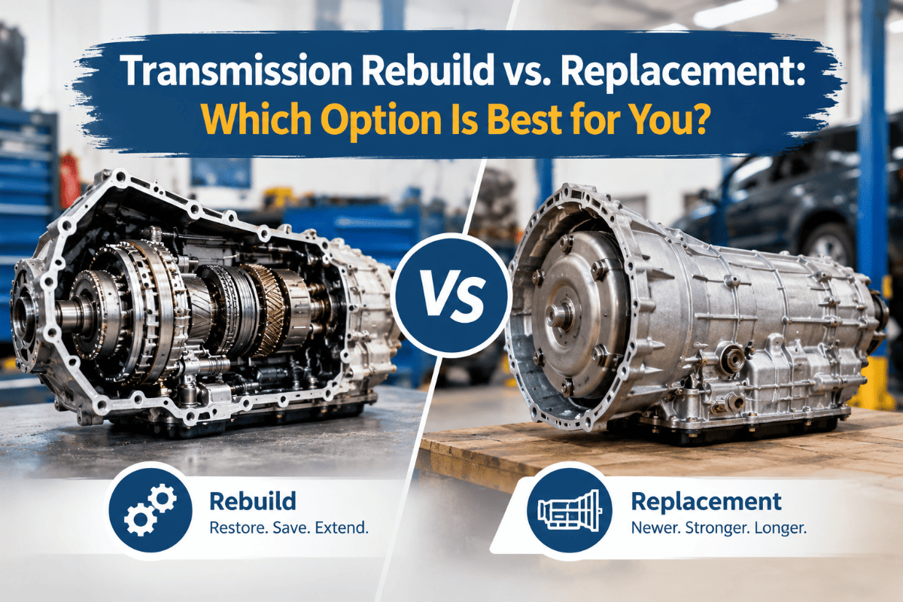
Compare transmission rebuild vs. replacement, including costs, benefits, repair time, and reliability. Get expert transmission service in Portage, MI.
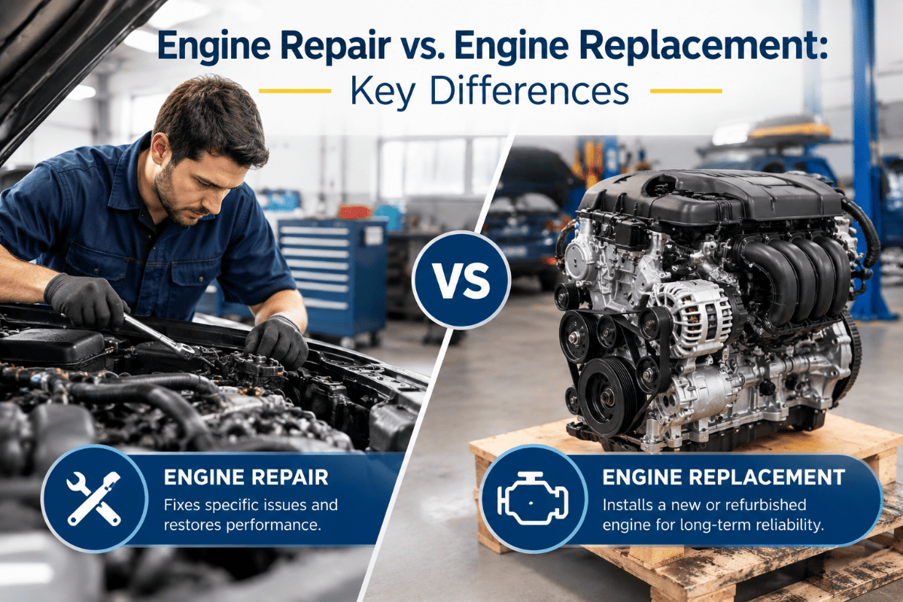
Compare engine repair vs. replacement, including costs, warning signs, benefits, and timelines. Get expert engine diagnostics at Muffler Man of Portage.
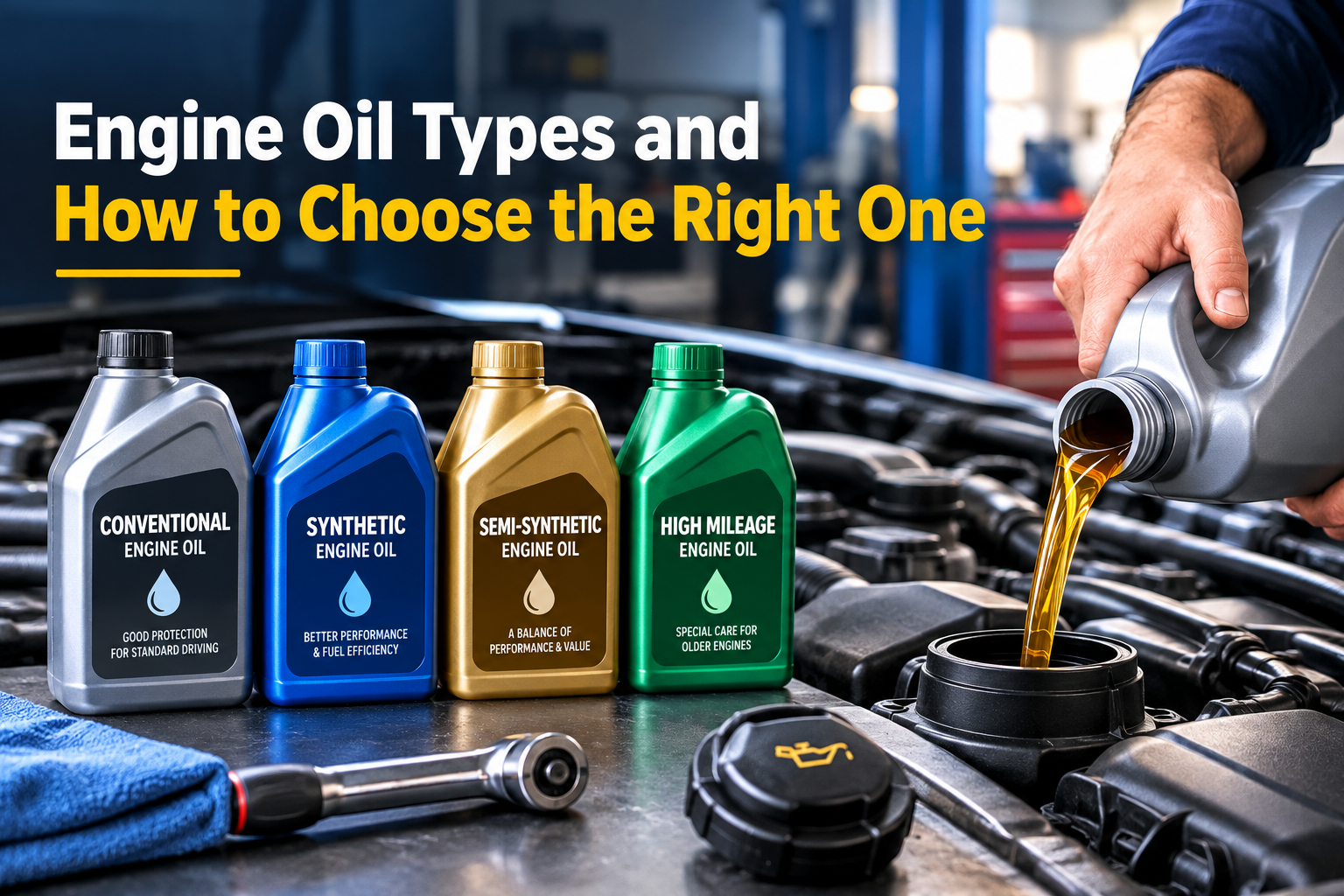
Learn about different engine oil types, their benefits, and how to choose the right oil for your car to protect your engine and improve performance.
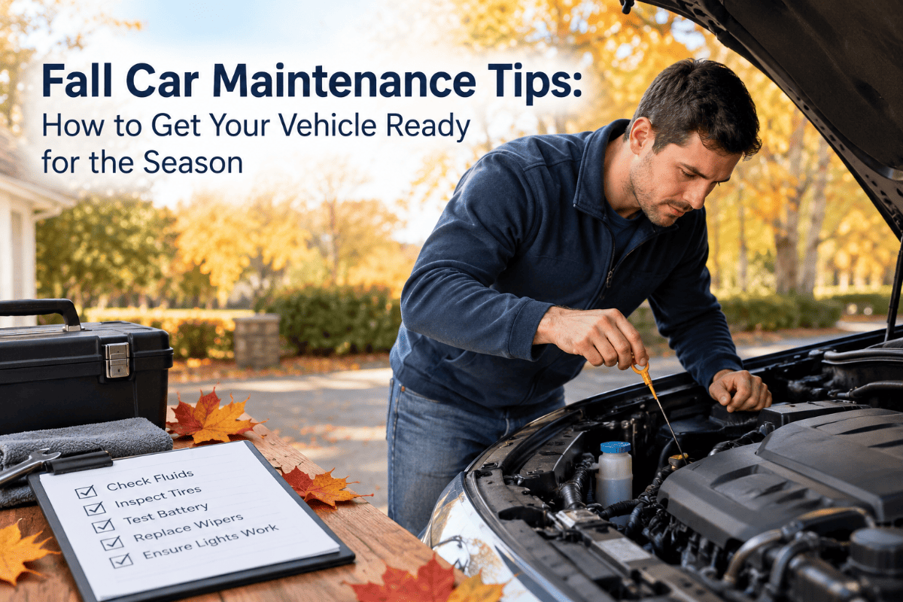
Get essential fall car maintenance tips to prepare for Michigan winter. Check your battery, tires, brakes, fluids, and more with this simple checklist.
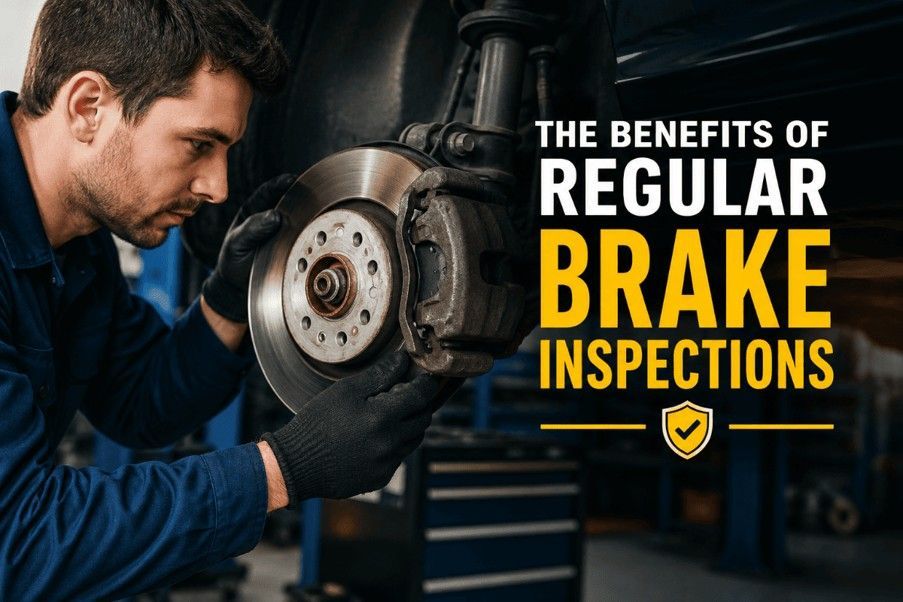
Discover the benefits of regular brake inspections, from safer stops to lower repair costs. Schedule a professional brake inspection in Portage, MI, today.
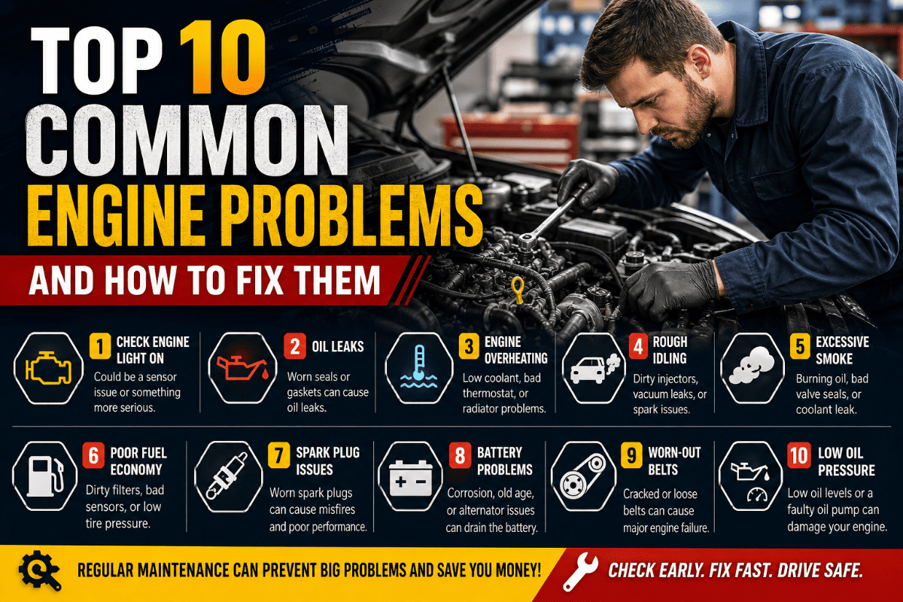
Discover 10 common engine problems, their warning signs, and practical fixes. Learn when to seek professional engine diagnostics to prevent costly repairs.

Learn the common signs and causes of radiator problems, explore repair options, and discover when to seek professional help to prevent engine overheating and costly damage.

Learn how to extend the life of your transmission with essential maintenance tips, proper driving habits, and early warning signs to watch for.
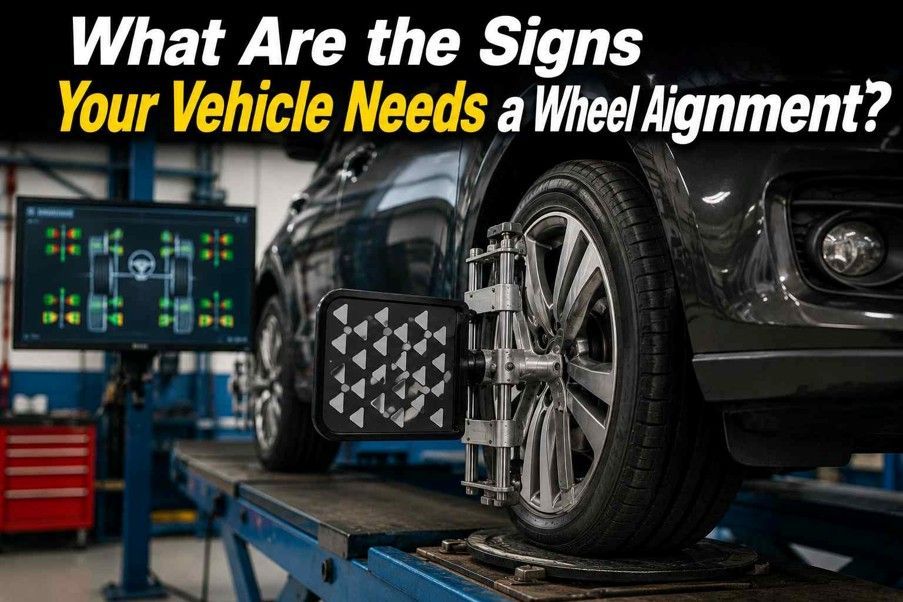
Learn the signs your vehicle needs a wheel alignment, including uneven tire wear, pulling, steering issues, and an off-center steering wheel.
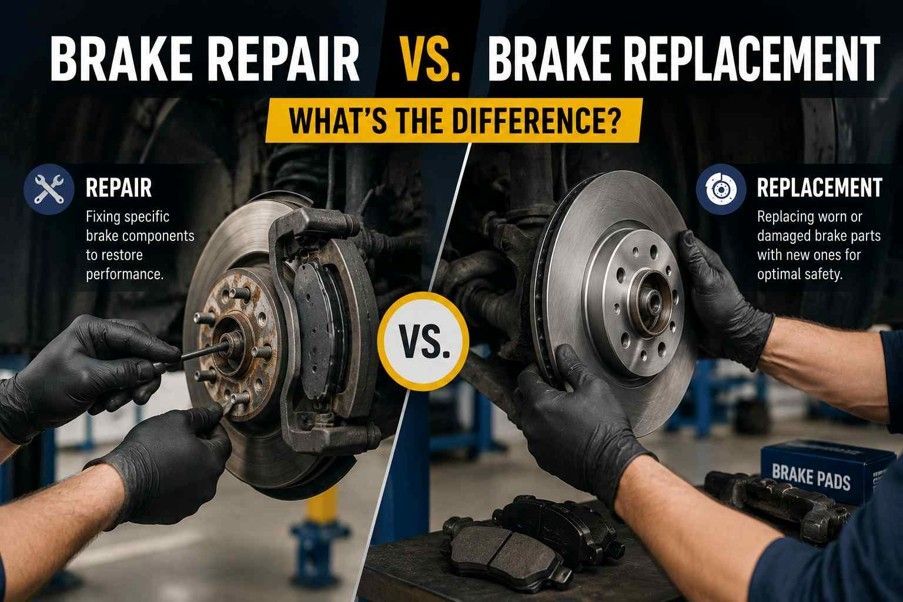
Learn the difference between brake repair and brake replacement, when each option may be needed, and the warning signs that your vehicle's brakes need attention.