Muffler Man of Portage has proudly served Portage, Kalamazoo, Oshtemo, and nearby Michigan communities since 2002. As a family-owned auto repair shop, the team specializes in mufflers, exhaust systems, brakes, suspension repair, diagnostics, and general automotive services. With certified technicians, advanced diagnostic tools, and a commitment to honest service, Muffler Man of Portage delivers reliable automotive repair solutions backed by years of hands-on industry experience
Your brakes just don't feel right, and now you're stuck wondering what to do next. Understanding brake repair vs. brake replacement can save you a confusing trip to the shop and help you know what questions to ask. Let's break down exactly when each option makes sense.
What Is Brake Repair?
Brake repair covers smaller fixes that keep your braking system working well, without swapping out major parts. These jobs are quicker, more affordable, and often part of routine care. Common brake repairs include:
● Refilling low brake fluid to restore proper pressure
● Resurfacing lightly worn rotors instead of replacing them
● Swapping out worn brake pads for fresh ones
Repairs work best when you catch wear and tear early. Fixing small issues now often means avoiding a bigger, more expensive job later.
What Is Brake Replacement?
Brake replacement means swapping out parts that are too damaged to fix. This keeps your braking system working safely instead of patching over a deeper problem. You'll usually need replacement when:
● Rotors are warped or cracked beyond resurfacing
● Calipers are leaking, stuck, or no longer functioning correctly
● Several parts, like pads, rotors, and calipers, wear out at the same time
Replacement costs more upfront, but it offers a longer-lasting fix, especially for older vehicles or cars driven hard.
What you need - Brakes Repair or Replacement?
A common question drivers ask is, how do I know if my brakes need repair or replacement? The honest answer depends on how far the wear has progressed and which parts are affected. Minor pad wear or a small fluid drop usually points toward a simple repair. Warped rotors, damaged calipers, or multiple worn parts at once usually mean it's time for a full replacement instead.
Read More : Preventive Car Maintenance: What Should You Check Regularly?
Signs Your Brakes Need Attention
Catching these signs early helps you avoid reduced braking performance when you need your brakes most.
| Sign | What It Often Means |
|---|---|
| Squealing or grinding noise | Worn brake pads or damaged rotors |
| Soft or spongy pedal | Air in the brake lines or low fluid |
| Shaking while braking | Warped rotors or uneven pad wear |
| Car pulls to one side | Uneven wear or a caliper problem |
| Dashboard warning light | Sensor detecting a brake system issue |
If you notice any of these, it's worth having your brakes checked by a professional soon. Brakes are one system where waiting rarely pays off.
How To Know If Your Brake Rotors Are Bad?
So, how do I know if my brake rotors are bad? Vibration or pulsing in the brake pedal is usually the clearest sign. You might also hear a deep grinding sound if the rotor surface has worn down too far. Rotors that are lightly scored can sometimes be resurfaced. Once they're warped, cracked, or too thin, replacement becomes the only safe option.
Understanding Brake Caliper Problems
Calipers press your brake pads against the rotors, so brake caliper problems affect stopping power directly. A caliper that sticks can wear down pads unevenly, while a leaking caliper reduces the hydraulic pressure your brakes rely on. You might notice your car pulling to one side, or the brakes feeling weaker on one wheel. Caliper issues almost always require replacement rather than a simple repair.
Cost and Time: What to Expect
Brake repair and replacement differ quite a bit in both price and time. Knowing the general range helps you plan ahead.
● Brake repair typically costs between $100 and $300 and takes about one to two hours. This covers work like pad replacement or a fluid refill.
● Brake replacement usually runs between $300 and $800, depending on the parts involved, and takes closer to two to four hours. The higher cost reflects more extensive labor and larger components.
What Happens If You Delay Brake Replacement?
It's worth asking what happens if you delay brake replacement before putting it off. Worn pads can grind against rotors, turning a moderate repair into a full rotor replacement. Leaking calipers can worsen, leading to uneven braking or a longer stopping distance. Delaying replacement doesn't just cost more later. It also increases the risk of reduced braking performance right when you need to stop quickly.
Why Timely Brake Service Matters?
Staying on top of brake wear protects both your safety and your budget. A well-maintained braking system responds reliably in an emergency stop, when every second counts. Catching small issues early through repair often prevents the need for a larger replacement down the road. Regular inspections make it easier to know which option, repair or replacement, actually fits what your car needs.
Get Expert Brake Service at Muffler Man
We know brake trouble can feel stressful, especially when you're not sure if it's a quick fix or something bigger. Our team offers expert brake repair services and full brake replacement services, backed by honest inspections instead of guesswork. As a trusted auto repair shop in Portage, Muffler Man is here to help you stop safely and drive with confidence. Reach out today and let's figure out exactly what your brakes need.
FAQs
What is the difference between brake repair and brake replacement?
Repair fixes minor issues like worn pads or low fluid. Replacement swaps out badly damaged parts, like cracked rotors or failing calipers, for new ones.
When should brakes be repaired instead of replaced?
Repair works well for early wear, such as slightly worn pads or a small fluid top-off. It's the right choice before damage spreads to bigger components.
How do I know if I need new brake pads?
Squealing noises, reduced stopping power, or thin pad material are common signs. A quick visual or professional check confirms whether pads need replacing.
How do I know if my brake rotors need replacement?
Vibration in the pedal, deep grooves, or a rotor that's too thin to resurface all point to replacement. A technician can measure rotor thickness to confirm.
Can damaged brake rotors be repaired?
Lightly worn rotors can sometimes be resurfaced. Rotors that are warped, cracked, or too thin no longer meet safety standards and need full replacement.
What are the signs that brakes need replacement?
Grinding noises, a pulling sensation, warning lights, or multiple worn components at once usually mean replacement, rather than a simple repair, is needed.

Compare engine repair vs. replacement, including costs, warning signs, benefits, and timelines. Get expert engine diagnostics at Muffler Man of Portage.
Get essential fall car maintenance tips to prepare for Michigan winter. Check your battery, tires, brakes, fluids, and more with this simple checklist.
Learn about different engine oil types, their benefits, and how to choose the right oil for your car to protect your engine and improve performance.
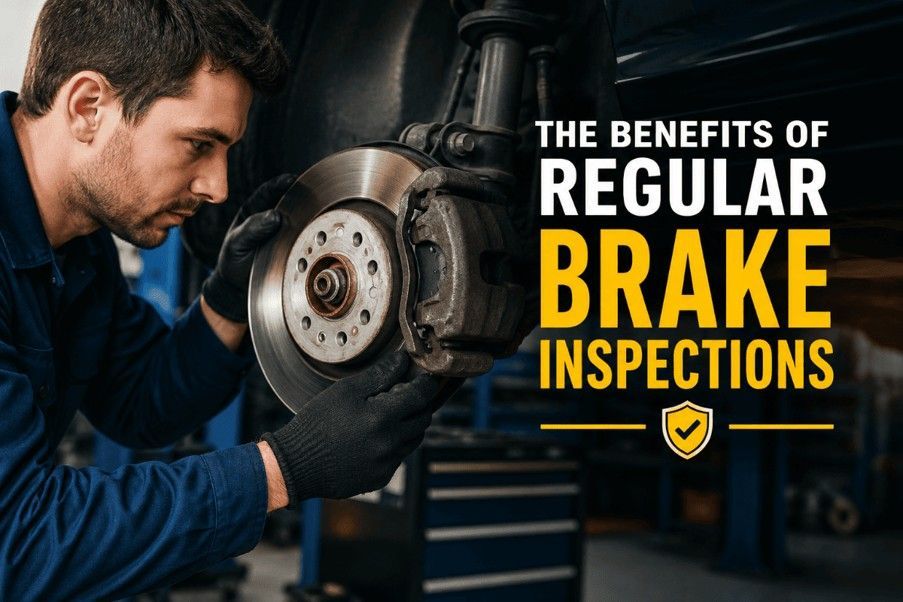
Discover the benefits of regular brake inspections, from safer stops to lower repair costs. Schedule a professional brake inspection in Portage, MI, today.
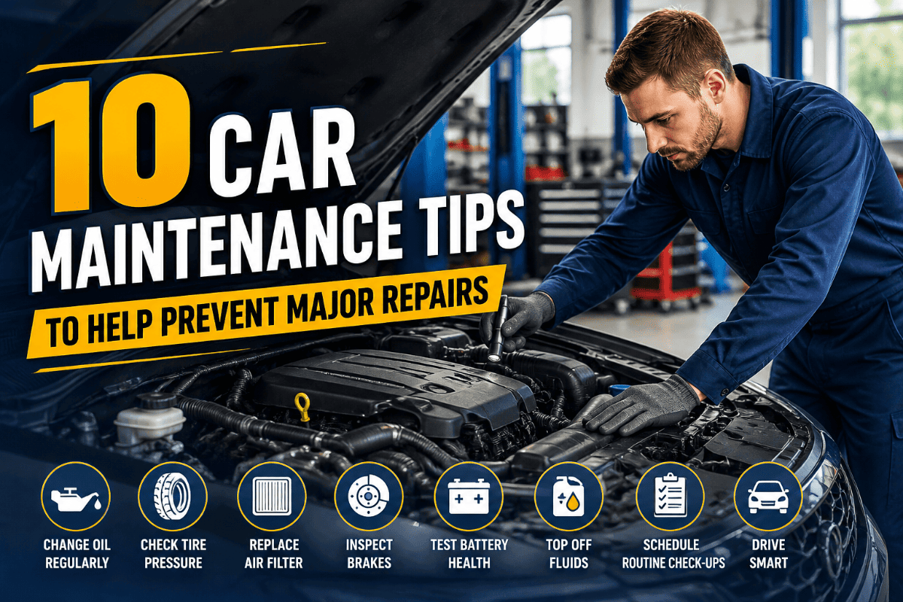
Follow these 10 car maintenance tips to prevent major repairs, improve vehicle safety, and save money with regular auto maintenance in Portage, MI.
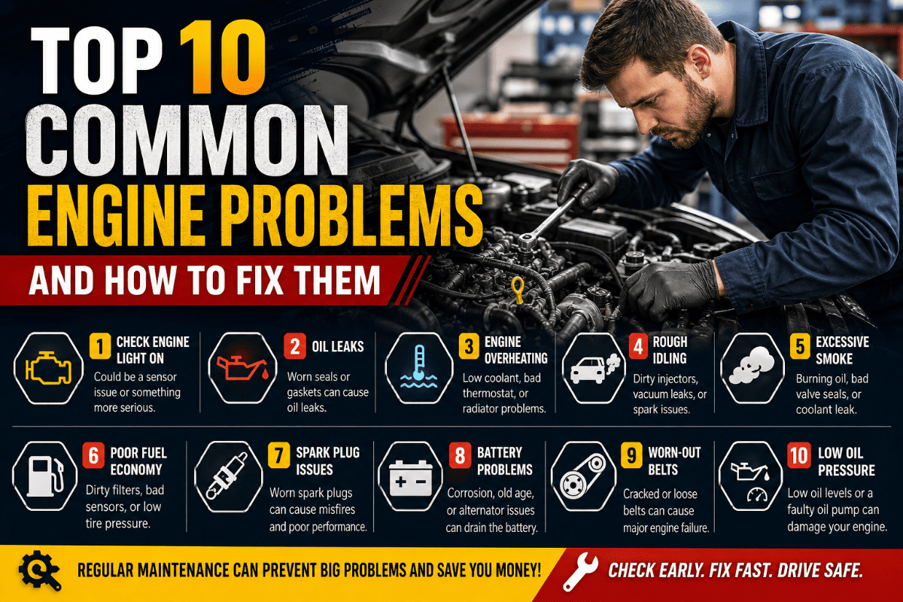
Discover 10 common engine problems, their warning signs, and practical fixes. Learn when to seek professional engine diagnostics to prevent costly repairs.
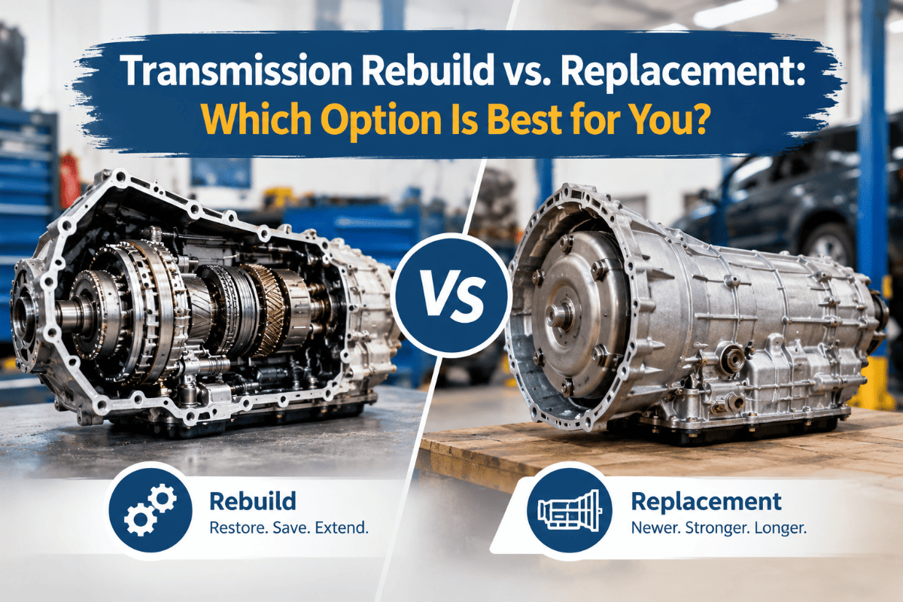
Compare transmission rebuild vs. replacement, including costs, benefits, repair time, and reliability. Get expert transmission service in Portage, MI.

Learn the common signs and causes of radiator problems, explore repair options, and discover when to seek professional help to prevent engine overheating and costly damage.

Learn how to extend the life of your transmission with essential maintenance tips, proper driving habits, and early warning signs to watch for.
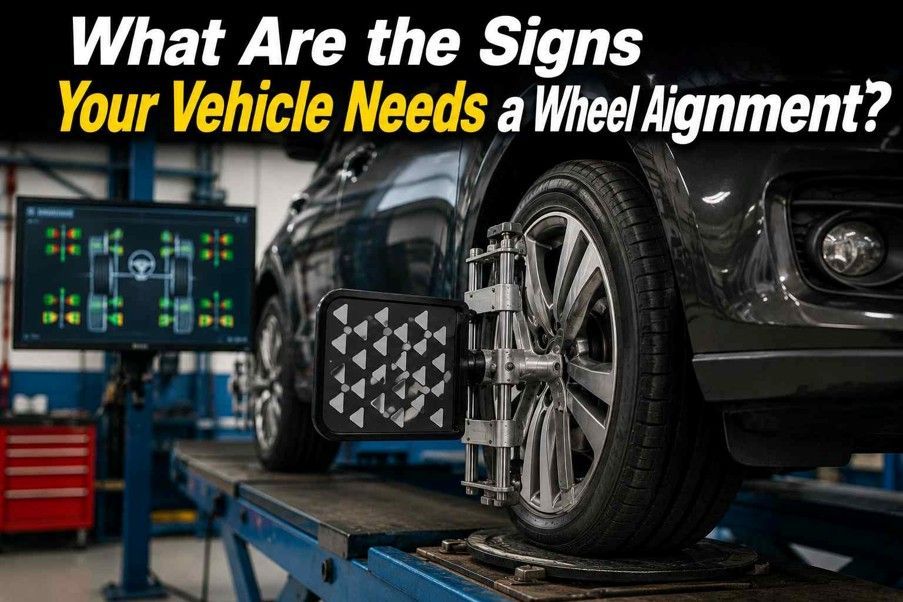
Learn the signs your vehicle needs a wheel alignment, including uneven tire wear, pulling, steering issues, and an off-center steering wheel.