Muffler Man of Portage has proudly served Portage, Kalamazoo, Oshtemo, and nearby Michigan communities since 2002. As a family-owned auto repair shop, the team specializes in mufflers, exhaust systems, brakes, suspension repair, diagnostics, and general automotive services. With certified technicians, advanced diagnostic tools, and a commitment to honest service, Muffler Man of Portage delivers reliable automotive repair solutions backed by years of hands-on industry experience
```
Your car starts fine one morning. The next day, it shakes at a red light, and the dashboard glows orange. Sound familiar? Moments like this feel scary, but engines usually give clues before real damage starts. After years of working under hoods, we have learned one lesson. Listening early saves money. Here are the common engine problems drivers face and simple ways to handle each one.
How to Spot Engine Trouble Early
Your senses are the best first tool you have. Pay attention to strange sounds, smells, smoke, and how your car feels on the road, since a small change often points to a bigger problem. Here is how to diagnose common engine problems at a basic level. Notice when the issue happens, such as cold starts or highway speeds. Write it down, because that simple note helps a mechanic find the cause much faster.
Read More : How to Extend the Life of Your Transmission?
The Top 10 Common Engine Problems and Fixes
1. Check Engine Light Comes On
This light can mean something small, like a loose gas cap. It can also point to a bad oxygen sensor or a weak spark plug. Tighten your gas cap first. If the light stays on, get a check engine light diagnosis soon. A flashing light is more serious. It often signals a bad misfire, so pull over safely and call for help.
2. Engine Overheating
Signs include a rising temperature gauge, steam from the hood, or a sweet smell. Low coolant, a leak, or a broken water pump are common causes. Pull over right away and turn the engine off. Never open the radiator cap on a hot engine. Hot coolant can spray out and burn you. Let the engine cool for 30 minutes before you check the coolant.
3. Hard Starting or No Start
You turn the key and hear a click or slow cranking. A weak battery is the most likely cause, though a bad starter or worn fuel pump can also be to blame. Start with the battery. Clean any white or green buildup from the terminals. If the car still will not start, a shop can test the starter.
4. Rough Idling or Stalling
Does your car shake while stopped at a light? Dirty spark plugs, a clogged air filter, or a small vacuum leak often cause this. Worn plugs are an easy fix and cost little. Fixing rough idle early protects your fuel economy and keeps your engine running smoothly.
5. Loss of Power
Maybe your car feels slow when you press the gas, or it struggles on hills. These engine performance problems often come from clogged fuel filters, dirty injectors, or a blocked exhaust. Replace filters on schedule. If power loss continues, a shop should test fuel pressure and engine compression.
6. Strange Engine Noises
Different sounds point to different problems. Knocking can mean low oil or worn parts inside the engine. Ticking often means low oil or a sticky valve. Squealing usually comes from a loose or worn belt. Check your oil level with the dipstick. If it is low, add the right oil and listen again. Keep driving with a loud knock, and you risk costly engine damage.
7. Oil Leaks
Dark spots under your parked car are a clear warning sign. Worn gaskets, bad seals, or a loose oil filter are common causes. Do not ignore a leak, even a small one, since low oil can wear out your engine in a hurry. A mechanic can find the source and replace the faulty part.
8. Smoke From the Exhaust
The color of the smoke tells a story. Blue smoke means burning oil, often from worn piston rings or valve seals. Thick white smoke can mean coolant is burning, which may point to a bad head gasket. Black smoke means the engine is burning too much fuel. A dirty air filter or leaky injector is often the reason. Thin white vapor on a cold morning is normal.
9. Poor Fuel Economy
Are you filling up more often than before? A dirty air filter, old spark plugs, or low tire pressure can all waste gas. Check your tire pressure each month. Replace the air filter and plugs as your owner's manual suggests.
10. Engine Misfires
A misfire feels like a jerk or stumble when you speed up. Worn spark plugs and weak ignition coils are the top causes. You may also see the check engine light flash. Drive as little as possible with a misfire, because it can damage the costly catalytic converter. A quick tune-up often solves the problem.
Read More : Brake Repair vs. Brake Replacement: What's the Difference?
Simple Steps for Common Engine Problem Diagnosis
A shop uses tools you may not have at home. Still, you can start with a few easy steps. This is how common engine problem diagnosis usually begins.
- Write down what you see, hear, and smell, and when it happens.
- Check the oil, coolant, and other fluid levels.
- Look under the hood for leaks, loose belts, or cracked hoses.
- Read the trouble code with an OBD-II scanner. Most cars made after 1995 have the port under the dashboard.
- Take the code and your notes to a trusted shop for a full check.
A code does not name the exact broken part. It only points to the system with the problem. That is why auto engine diagnostics work best when a trained technician reads the code and tests the parts.
Easy Habits That Prevent Engine Trouble
Prevention is cheaper than repair. Change your oil and filter as the owner's manual says, and replace worn belts and hoses before they fail. A yearly engine diagnostic service can also catch small problems early.
Get Expert Help for Engine Trouble in Portage
Engine problems rarely fix themselves, and waiting usually costs more. If your light is on or your car feels off, we are here to help. At Muffler Man, we are a family-owned shop serving Portage since 2002. Our Michigan-certified technicians offer an engine diagnostic service for check engine light warnings and every other symptom in this guide, and our repairs come with a 24-month, 24,000-mile warranty. Call us or stop by today, and let us get you back on the road with confidence.
FAQs
What are the most common engine problems in Portage, MI?
Drivers in Portage often face overheating, oil leaks, rough idling, and check engine lights. Cold winters are hard on batteries, and hot summers can strain the cooling system.
How can I tell if my vehicle has an engine problem?
Watch for warning lights, odd noises, strange smells, smoke, or less power. Your car may also shake, stall, or use more fuel than usual. Any of these signs deserves a closer look.
Why is my check engine light on?
The light can come on for many reasons. A loose gas cap, a bad sensor, or worn spark plugs are common ones. A scan tool reads the code and helps point to the cause.
Where can I get an engine diagnostic service in Portage, MI?
You can visit a trusted local auto repair shop with certified technicians. Look for a shop that uses modern scan tools and explains the results in plain words.
How are engine problems diagnosed?
A technician starts by listening to your concerns. Next, they scan for trouble codes, inspect key parts, and test the engine. This process finds the real cause, so you only pay for repairs you need.
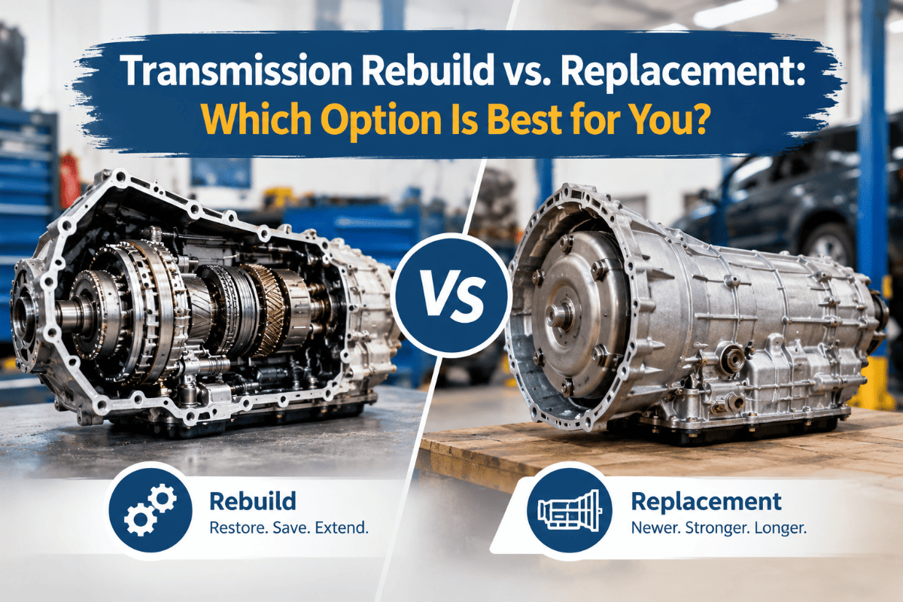
Compare transmission rebuild vs. replacement, including costs, benefits, repair time, and reliability. Get expert transmission service in Portage, MI.
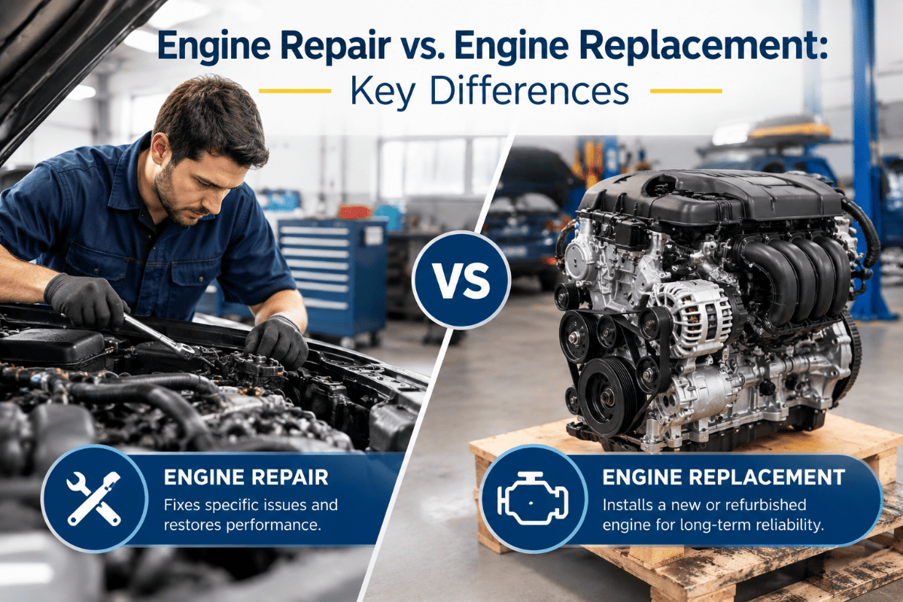
Compare engine repair vs. replacement, including costs, warning signs, benefits, and timelines. Get expert engine diagnostics at Muffler Man of Portage.

Learn about different engine oil types, their benefits, and how to choose the right oil for your car to protect your engine and improve performance.
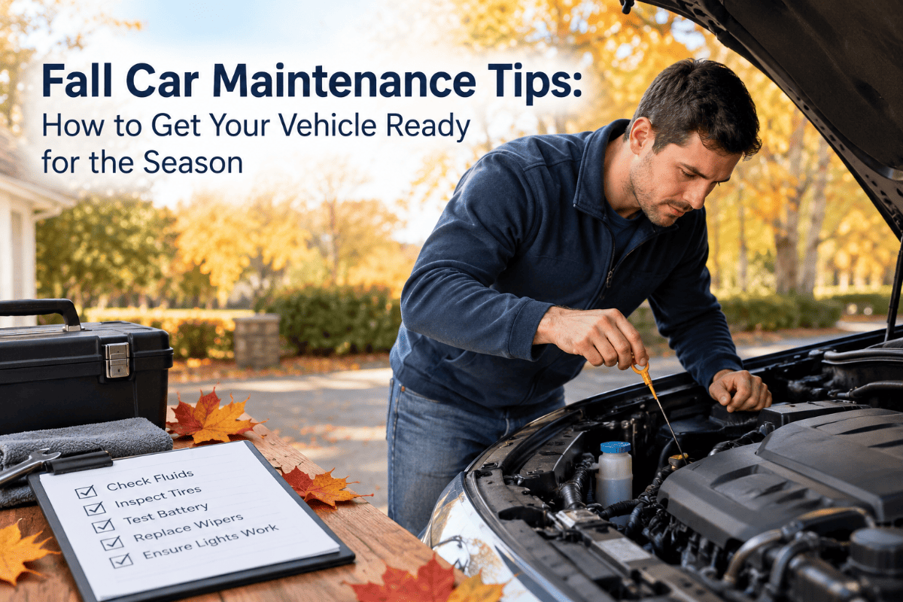
Get essential fall car maintenance tips to prepare for Michigan winter. Check your battery, tires, brakes, fluids, and more with this simple checklist.
Discover the benefits of regular brake inspections, from safer stops to lower repair costs. Schedule a professional brake inspection in Portage, MI, today.
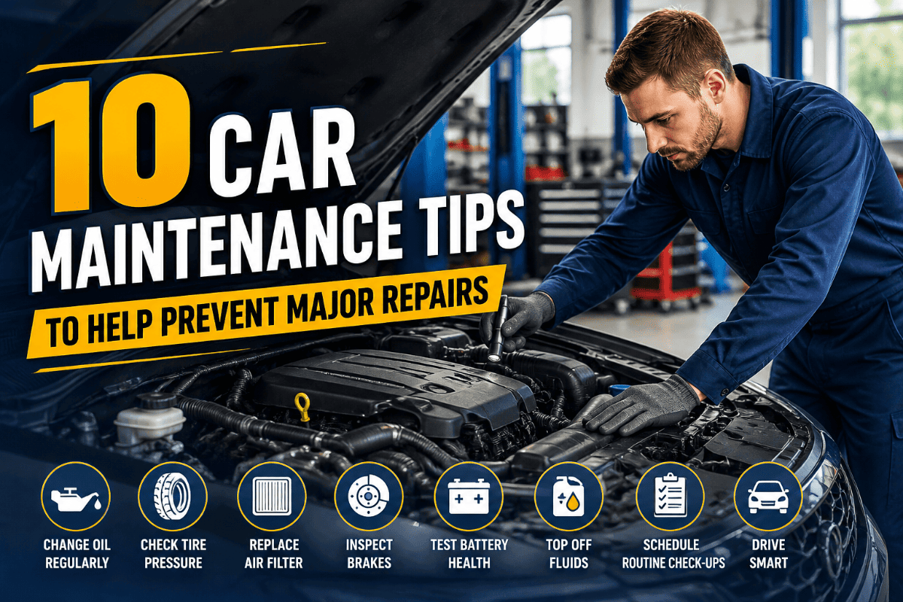
Follow these 10 car maintenance tips to prevent major repairs, improve vehicle safety, and save money with regular auto maintenance in Portage, MI.

Learn the common signs and causes of radiator problems, explore repair options, and discover when to seek professional help to prevent engine overheating and costly damage.

Learn how to extend the life of your transmission with essential maintenance tips, proper driving habits, and early warning signs to watch for.
Learn the signs your vehicle needs a wheel alignment, including uneven tire wear, pulling, steering issues, and an off-center steering wheel.
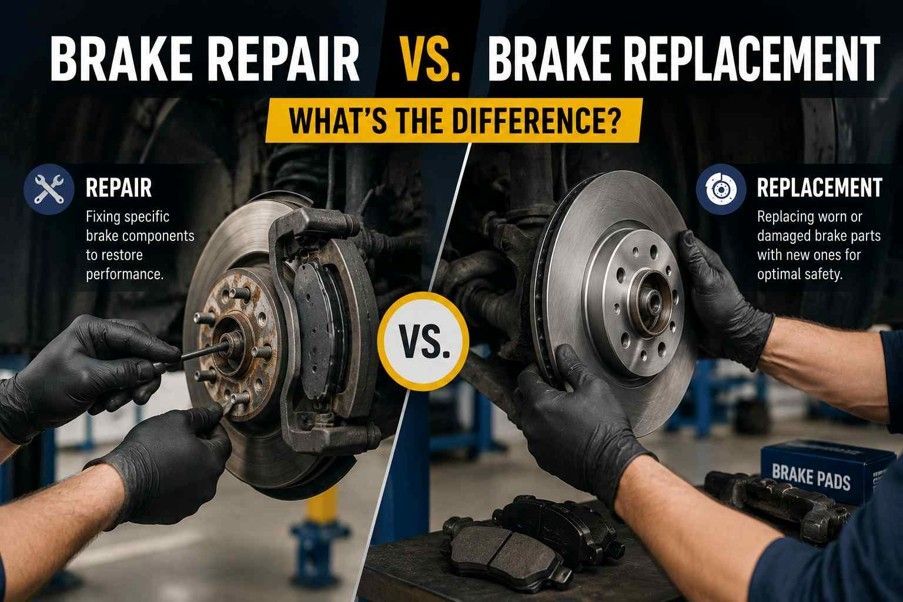
Learn the difference between brake repair and brake replacement, when each option may be needed, and the warning signs that your vehicle's brakes need attention.