Muffler Man of Portage has proudly served Portage, Kalamazoo, Oshtemo, and nearby Michigan communities since 2002. As a family-owned auto repair shop, the team specializes in mufflers, exhaust systems, brakes, suspension repair, diagnostics, and general automotive services. With certified technicians, advanced diagnostic tools, and a commitment to honest service, Muffler Man of Portage delivers reliable automotive repair solutions backed by years of hands-on industry experience
Your radiator plays a key role in your vehicle's cooling system. It works with coolant to pull heat away from the engine. Without a healthy radiator, your engine can run too hot and cause lasting damage. Spotting the most common radiator problems early can help you avoid overheating and costly repairs. Watch for engine overheating, coolant leaks, low coolant levels, a sweet smell, and a temperature warning light.
These are common signs of trouble. A professional cooling-system check can find out if the radiator, thermostat, water pump, cooling fan, or a hose is the real cause. If you need radiator repair in Portage, MI, catching problems early keeps small issues from turning into big ones.
Quick Takeaways
● Radiator problems often show up first as coolant loss or shifting temperature readings.
● Overheating is not always the radiator's fault. Other parts can cause the same symptoms.
● Coolant leaks and warning lights should never be ignored, even if the engine seems fine.
● A pressure test and full diagnostic can pinpoint the real problem fast.
● Some radiator issues can be repaired, but severe damage usually calls for replacement.
What Is a Car Radiator and How Does It Work?
What Does a Radiator Do?
The radiator is the heart of your engine's cooling system. As coolant flows through the engine, it absorbs heat that builds up from combustion. The hot coolant then travels to the radiator, where air passing through the core pulls the heat away. Once cooled, the coolant flows back into the engine to absorb more heat. This cycle repeats constantly while you drive. Keeping coolant at the right temperature protects your engine from damage caused by excess heat.
Main Components Connected to the Radiator
Several parts work together with the radiator to keep your engine cool.
● The radiator core is where the actual heat exchange happens between coolant and outside air.
● The radiator cap keeps the system pressurized so coolant can reach a higher boiling point.
● Coolant reservoir holds extra coolant and helps release trapped air from the system.
● Radiator hoses carry coolant between the engine, radiator, and reservoir.
● Cooling fan pulls air through the radiator when the vehicle is moving slowly or stopped.
● The thermostat controls when coolant flows to the radiator based on engine temperature.
● The water pump circulates coolant through the entire cooling system.
● Coolant temperature sensor monitors temperature and alerts the dashboard if it climbs too high.
Common Causes of Radiator Problems
Radiators can develop issues for several reasons, and most build up slowly over time.
● Coolant leaks often come from cracks, loose connections, or worn seals.
● Corrosion can eat away at metal parts, especially in older radiators.
● Clogged radiator passages block coolant flow and reduce cooling efficiency.
● Physical damage, like a cracked core from road debris, can cause sudden leaks.
● Low or contaminated coolant reduces the system's ability to absorb and release heat.
● Damaged radiator hoses can crack, bulge, or leak as they age.
● A faulty radiator cap may not hold pressure correctly, which affects boiling point.
● Cooling fan problems can leave the radiator without enough airflow, especially at low speeds.
Read More : Preventive Car Maintenance: What Should You Check Regularly?
Top 10 Signs Your Radiator May Be Failing
1. Engine Overheating
When a radiator cannot transfer heat properly, engine temperature climbs fast. This can happen from a clog, a leak, or reduced airflow through the core. If your temperature gauge climbs into the red, pull over and shut off the engine. Continuing to drive an overheating vehicle can cause serious, expensive damage.
2. Coolant Leaking Under the Vehicle
A puddle of coolant under your car is a clear warning sign. Leaks can come from the radiator itself, a hose connection, or a seal. Coolant is usually green, orange, or pink, and it often has a sweet smell. A technician should identify the exact source, since guessing can lead to repeating the same repair later.
3. Low Coolant Levels
If your coolant level keeps dropping, something is letting it escape. This could be a small leak in the radiator, a hose, or another part of the system. Simply topping off coolant again and again does not fix the actual problem. The source of the loss needs a proper inspection.
4. Temperature Gauge Running Higher Than Normal
A gauge reading that creeps higher than usual is worth paying attention to. This can point to a radiator issue, a failing thermostat, a weak water pump, or low coolant. Occasional small changes may be normal, but a pattern of rising temperatures should not be ignored.
5. Coolant or Sweet Smell
A sweet smell inside or outside the vehicle often means coolant is leaking somewhere. It may be coming from a hose, the radiator, or the heater core. Since coolant loss can lead to overheating, this smell should prompt an inspection soon rather than later.
6. Visible Corrosion or Damage
Rust or white, chalky buildup around the radiator often signals corrosion. Bent or damaged fins can also reduce how well the radiator releases heat. Even minor physical damage can lower cooling efficiency over time, so it is worth having a technician take a look.
7. Steam or Vapor From the Engine Bay
Steam coming from under the hood usually means the engine is overheating or coolant is leaking onto a hot surface. Never open the radiator cap or coolant reservoir while the engine is hot, since pressurized coolant can cause burns. Pull over and call for help if you see steam.
8. Frequent Coolant Refills
Needing to add coolant on a regular basis is not something to shrug off. It usually points to a leak somewhere in the radiator, a hose, the water pump, or another connection. A pressure test can help find exactly where the coolant is escaping.
9. Radiator or Cooling Fan Problems
The cooling fan pulls air through the radiator, especially when you are driving slowly or sitting in traffic. If the fan fails or runs poorly, the engine can overheat even though the radiator itself is fine. Fan issues are sometimes mistaken for radiator failure, so proper testing matters.
10. Dashboard Temperature Warning Light
A temperature warning light means your engine is running hotter than it should. Continuing to drive with this light on raises the risk of serious engine damage. It is best to pull over safely and get a professional cooling-system diagnostic as soon as possible.
Radiator vs. Thermostat vs. Water Pump: What's the Difference?
Cooling-system parts often share similar symptoms, which makes it easy to blame the wrong component.
| Component | Primary Function | Common Problems |
|---|---|---|
| Radiator | Releases heat from engine coolant | Leaks, corrosion, clogging |
| Thermostat | Regulates coolant circulation | Stuck open or closed |
| Water Pump | Circulates coolant through the system | Leaks, bearing failure, poor circulation |
| Cooling Fan | Helps move air through radiator | Fan failure, electrical problems |
| Radiator Hoses | Carry coolant between components | Cracks, leaks, deterioration |
Overheating does not always mean the radiator itself has failed. A stuck thermostat, a weak water pump, or a bad fan can all cause the same symptoms. This is exactly why a proper diagnosis matters before any part gets replaced.
Car Radiator Maintenance Checklist
A simple checklist can help you stay ahead of cooling-system trouble.
● Check the coolant level regularly.
● Inspect for visible leaks under the vehicle.
● Check radiator hoses for cracks or soft spots.
● Inspect the radiator for damage or blockages.
● Look for corrosion around fittings and the core.
● Monitor engine temperature while driving.
● Check that the cooling fan runs when it should.
● Follow the manufacturer's coolant service recommendations.
● Inspect the radiator cap where appropriate.
● Schedule professional cooling-system inspections regularly.
Routine checks like these help catch leaks, corrosion, and overheating risks early. Drivers who stay on top of radiator service in Portage, MI, shops recommend, often avoid bigger repairs down the line. Regular cooling system repair in Portage, MI, visits help keep small issues from growing.
Radiator Repair vs. Radiator Replacement
Not every radiator problem means you need a brand new part.
When Radiator Repair May Be Appropriate
● Minor, serviceable issues that do not affect the core structure.
● Certain hose or connection problems that can be fixed directly.
● Some external leaks or related component issues caught early.
● Problems that do not compromise the radiator's overall integrity.
When Radiator Replacement May Be Necessary
● Severe corrosion that has weakened the radiator's structure.
● Major structural damage from an accident or road debris.
● Significant leaks that cannot be reliably sealed.
● A blocked or badly damaged radiator core.
● Repeated cooling-system problems tied back to the same radiator.
● A radiator that a technician determines cannot be repaired safely.
Benefits of Professional Radiator Diagnosis
● Identifies the actual source of the cooling problem.
● Determines whether repair or replacement makes more sense.
● Checks related cooling-system components at the same time.
● Helps prevent paying for parts you do not actually need.
● Flags overheating risks before they cause engine damage.
Risks of Ignoring Radiator Problems
● Engine overheating that damages internal components.
● Continued coolant loss that worsens the problem.
● Head gasket damage from prolonged overheating.
● Damage to other engine components over time.
● An unexpected breakdown, often at an inconvenient moment.
● Higher repair costs than if the issue was caught early.
Read More : How to Extend the Life of Your Transmission?
How Much Does Radiator Repair or Replacement Cost?
Radiator repair costs vary quite a bit. There is no single price that applies to every vehicle or every type of damage.
Factors That Affect Radiator Repair Costs
● Vehicle make and model affect parts availability and price.
● Radiator type can range from simple to more complex designs.
● The extent of damage shapes how involved the repair will be.
● Labor requirements depend on how accessible the radiator is.
● Required replacement parts add to the total cost.
● Related cooling-system repairs may be needed at the same time.
● Diagnostic testing helps confirm the actual cause before repair.
● Coolant type and service requirements vary by vehicle.
When Should You Have Your Radiator Inspected?
● Engine temperature rises above what is normal for your vehicle.
● Coolant leaks are visible under or around the vehicle.
● Coolant level repeatedly drops between fill-ups.
● A temperature warning light appears on the dashboard.
● Steam comes from the engine bay.
● You notice a coolant or sweet smell.
● The vehicle has recently experienced overheating.
How Often Should a Radiator Be Serviced?
Following your vehicle manufacturer's schedule is the best starting point. Beyond that, it helps to inspect the radiator during routine maintenance, after any overheating event, whenever a coolant leak shows up, and any time warning signs appear on the dashboard.
Tips to Keep Your Radiator and Cooling System Healthy
Maintain Your Cooling System If...
● Your vehicle has high mileage.
● You frequently drive in heavy traffic.
● You regularly tow or carry heavy loads.
● You drive during extreme heat or cold.
● Your vehicle has overheated in the past.
● Your coolant level tends to drop often.
Schedule Professional Cooling System Service If...
● The engine overheats, even briefly.
● Coolant leaks are visible anywhere on the vehicle.
● The temperature gauge fluctuates without explanation.
● The temperature warning light comes on.
● You smell coolant inside or outside the car.
● You see steam coming from under the hood.
● You find yourself adding coolant often.
Before a Long Road Trip
● Check the coolant level before you leave.
● Inspect radiator hoses for wear or damage.
● Look for any visible leaks around the engine bay.
● Monitor engine temperature closely during the drive.
● Inspect other cooling-system components as needed.
● Schedule a professional inspection if you notice any warning signs.
Need Radiator or Cooling System Service in Portage, MI?
Cooling system problems rarely fix themselves. You may need radiator repair, radiator replacement, cooling system diagnostics, or a coolant leak inspection. Getting an engine overheating diagnosis from a trained technician means you know exactly what is wrong before any work begins. Muffler Man offers thorough cooling system inspection and professional auto repair services. Drivers trust our auto repair team in Portage, MI, to get it right the first time. Schedule your appointment today.
FAQs
What are the signs of a bad radiator?
Common signs include engine overheating, visible coolant leaks, low coolant levels, a sweet smell, and a rising temperature gauge. A dashboard warning light is another clear sign worth checking right away.
What causes a car radiator to fail?
Radiators often fail due to corrosion, clogged passages, physical damage, or worn hoses and seals. Contaminated coolant and age-related wear can also weaken a radiator over time.
Can a leaking radiator be repaired?
Some leaks can be repaired, especially minor ones caught early. Severe corrosion, major damage, or a compromised core usually means replacement is the safer, more reliable option.
When should a radiator be replaced?
Replacement is often necessary for severe corrosion, structural damage, a badly blocked core, or repeated leaks. A technician can confirm whether repair is still a realistic option.
Why does my car overheat even when it has coolant?
Overheating can come from a stuck thermostat, a failing water pump, a broken cooling fan, or trapped air in the system. Having coolant does not guarantee it is circulating properly.
Is it safe to drive with a radiator leak?
Driving with a leak risks losing enough coolant to cause overheating. This can lead to serious engine damage. It is safer to get the leak inspected before continuing to drive.
How often should a car radiator be serviced?
Follow your manufacturer's recommended schedule as a baseline. Have it inspected sooner if you notice leaks, overheating, warning lights, or any change in engine temperature.
How much does radiator repair or replacement cost?
Costs vary based on your vehicle, the extent of damage, and needed parts or labor. A technician can give you an accurate estimate after a proper diagnosis.
Compare engine repair vs. replacement, including costs, warning signs, benefits, and timelines. Get expert engine diagnostics at Muffler Man of Portage.
Get essential fall car maintenance tips to prepare for Michigan winter. Check your battery, tires, brakes, fluids, and more with this simple checklist.
Learn about different engine oil types, their benefits, and how to choose the right oil for your car to protect your engine and improve performance.
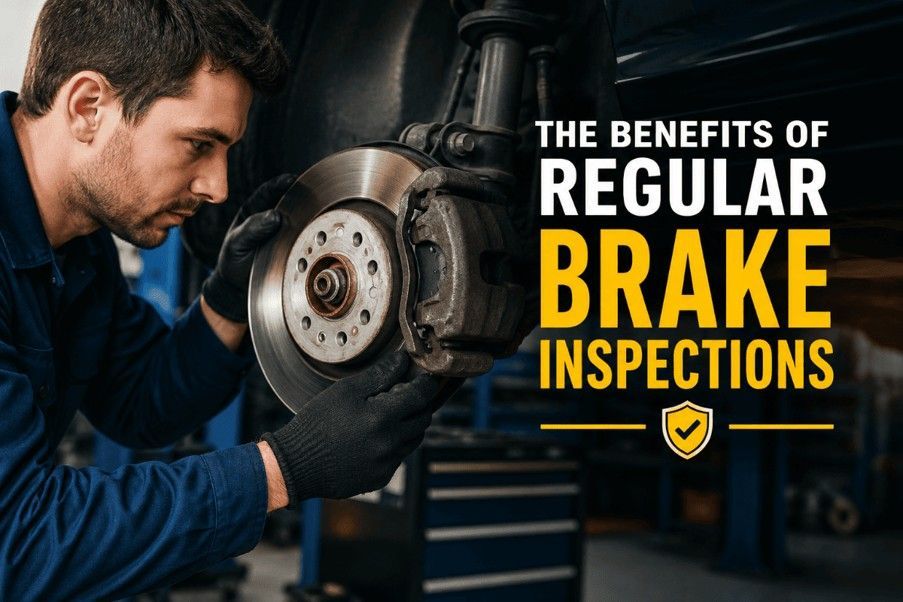
Discover the benefits of regular brake inspections, from safer stops to lower repair costs. Schedule a professional brake inspection in Portage, MI, today.
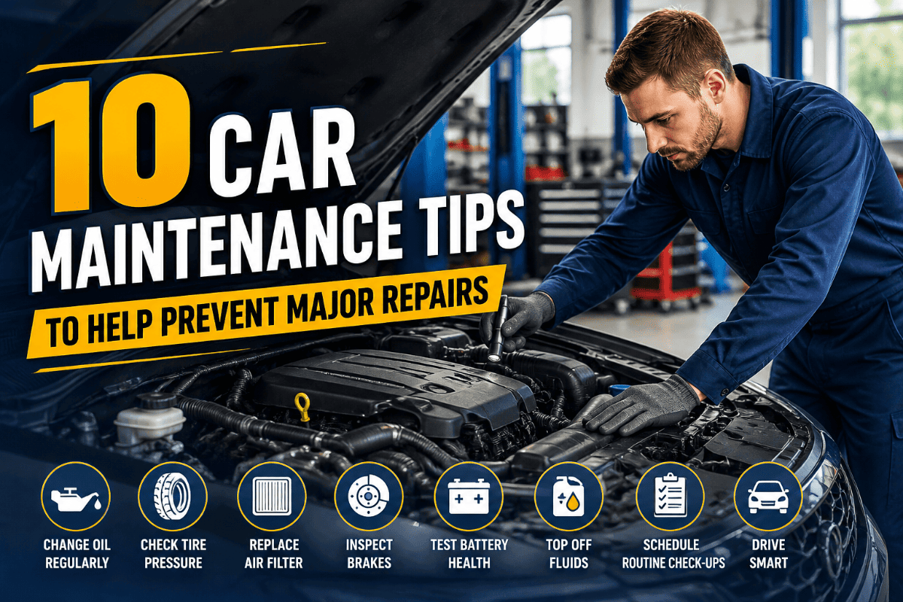
Follow these 10 car maintenance tips to prevent major repairs, improve vehicle safety, and save money with regular auto maintenance in Portage, MI.
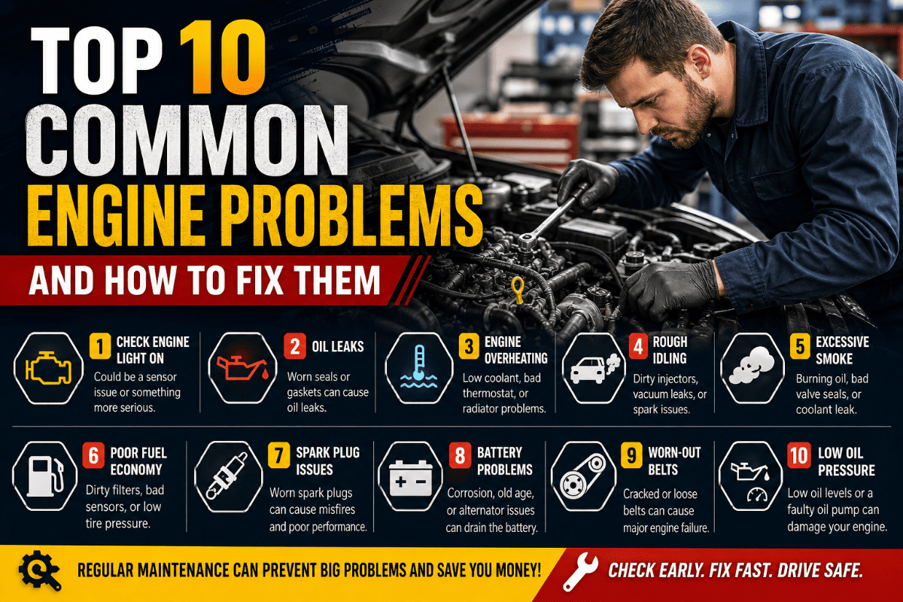
Discover 10 common engine problems, their warning signs, and practical fixes. Learn when to seek professional engine diagnostics to prevent costly repairs.
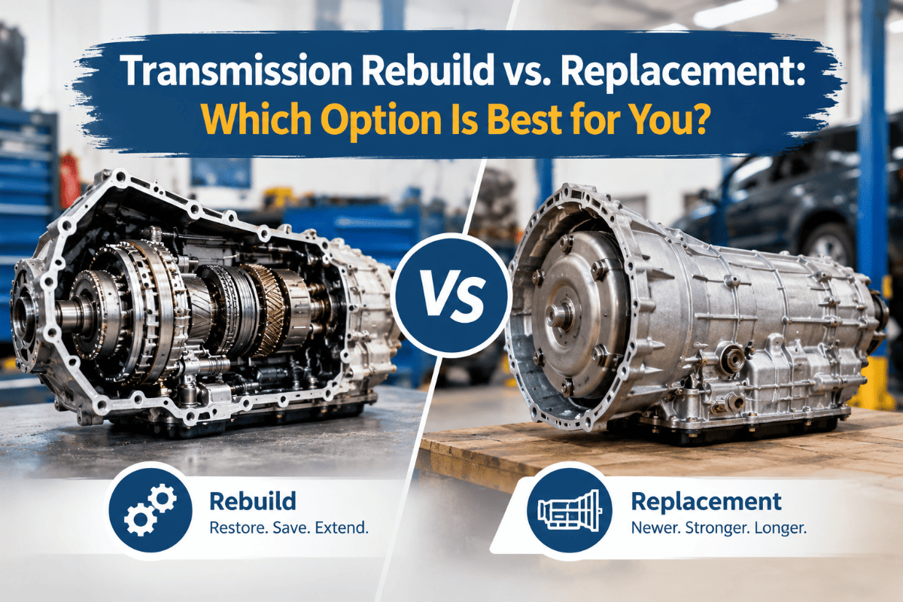
Compare transmission rebuild vs. replacement, including costs, benefits, repair time, and reliability. Get expert transmission service in Portage, MI.

Learn how to extend the life of your transmission with essential maintenance tips, proper driving habits, and early warning signs to watch for.
Learn the signs your vehicle needs a wheel alignment, including uneven tire wear, pulling, steering issues, and an off-center steering wheel.
Learn the difference between brake repair and brake replacement, when each option may be needed, and the warning signs that your vehicle's brakes need attention.