Muffler Man of Portage has proudly served Portage, Kalamazoo, Oshtemo, and nearby Michigan communities since 2002. As a family-owned auto repair shop, the team specializes in mufflers, exhaust systems, brakes, suspension repair, diagnostics, and general automotive services. With certified technicians, advanced diagnostic tools, and a commitment to honest service, Muffler Man of Portage delivers reliable automotive repair solutions backed by years of hands-on industry experience
Your transmission works hard every time you drive. Car transmission maintenance service keeps gear changes smooth. It also helps cut down on early wear. Regular checks help a shop find small problems early. This stops them from becoming big repairs. Watch for slipping gears. Watch for delayed shifting too. Strange noises, fluid leaks, and burning smells are warning signs as well. A trained technician can run proper diagnostics. They can find out if the issue comes from fluid, internal parts, cooling, or another part of the drivetrain. If you need transmission service in Portage, MI, catching problems early saves you time and money.
Quick Takeaways
● Fluid checks and service intervals matter most for a long-lasting transmission.
● Overheating causes fast damage, so watch your cooling system and towing habits.
● Slipping gears, delayed shifts, and burning smells are signs you should not ignore.
● A professional inspection tells you the real problem instead of leaving you to guess.
● Fluid changes, flushes, and full services are not the same thing. Your car may not need all three.
What Is Transmission Maintenance?
Your transmission sends power from the engine to the wheels. It picks the right gear for your speed. This lets the engine run well no matter how fast you go. Automatic transmissions shift gears on their own. They use fluid pressure and sensors to pick the right moment. Manual transmissions need the driver to shift by hand. A clutch pedal helps engage each gear. Both types need clean fluid. Both types need steady temperatures too. When fluid breaks down, the transmission works harder. This extra strain adds up over time.
Common Causes of Transmission Wear
Small problems can wear down a transmission before you notice anything wrong.
● Low or contaminated fluid raises friction between parts. Fluid keeps everything lubricated and cool.
● Overheating breaks down fluid fast. It can also damage internal parts.
● Aggressive driving puts sudden, heavy loads on gears. These parts were built for smoother use.
● Towing beyond capacity forces the transmission to work harder than it should.
● Delayed service lets small wear and buildup go unnoticed.
● Fluid leaks slowly cut lubrication. Less lubrication means more heat.
● Internal parts wear out over time. They wear out faster without care.
● Improper shifting habits, like shifting while still moving, stress the parts inside.
Components Connected to Transmission Performance
A transmission has several parts. Each one plays a role.
● Transmission fluid lubricates and cools the moving parts.
● The transmission filter keeps dirt out of the fluid.
● The torque converter sends power from the engine to the transmission.
● Transmission cooler helps control fluid temperature. This matters most during towing or hot weather.
● Gears and clutch packs work together to pick the right gear.
● The valve body sends fluid where it needs to go.
● Transmission control module manages shift timing in most modern cars.
Read More : What Are the Signs Your Vehicle Needs a Wheel Alignment?
Top 10 Ways to Extend the Life of Your Transmission
1. Follow the Manufacturer's Transmission Service Schedule
Your owner's manual lists service intervals for a reason. These are based on how your vehicle is built. Drivers who tow, haul, or sit in traffic often need service more often. Heavy use wears parts down faster.
2. Check and Maintain Proper Transmission Fluid Levels
Transmission fluid does more than lubricate. It also cools parts and builds pressure for smooth shifting. Low fluid raises friction and heat. This speeds up wear. If fluid drops, you likely have a leak. Get it checked right away.
3. Use the Correct Transmission Fluid
Not all transmission fluid is the same. Your vehicle needs a specific type. The wrong fluid can hurt shifting. It can also damage seals over time. Check your manual or ask a technician before adding fluid.
4. Prevent Transmission Overheating
Heat is one of the biggest threats to your transmission. Towing, heavy loads, traffic, and hot weather all raise fluid temperature. High heat over time breaks down fluid fast. It also wears out parts sooner. A good cooling system helps keep heat in check.
5. Avoid Aggressive Driving Habits
How you drive affects how long your transmission lasts. Hard acceleration adds stress. So does abrupt shifting and high speed. Constant stop-and-go driving adds up too. Smoother driving means less strain on internal parts.
6. Address Transmission Fluid Leaks Quickly
A small spot under your car often means a leak. Left alone, a leak lowers fluid levels. Low fluid can cause overheating. It can also lead to internal damage. Get a leak checked as soon as you spot it.
7. Use Proper Towing Practices
Towing adds extra demand on your transmission. It has to work harder to move the load. Stay within your vehicle's towing limit. If you tow often, a working transmission cooler matters even more.
8. Pay Attention to Shifting Problems
Delayed engagement is a warning sign. So is slipping, hard shifting, and hesitation. Odd noises count too. These problems rarely fix themselves. Catch them early to avoid a bigger repair.
9. Keep the Cooling System in Good Condition
Your engine's cooling system connects to transmission temperature. In many cars, the transmission cooler shares parts with the radiator. A healthy cooling system helps manage heat. Less heat means less wear over time.
10. Schedule Professional Transmission Inspections
A trained transmission specialist near me can catch problems you might miss. Technicians check fluid, leaks, and shifting behavior. They also check related parts. Professional diagnostics remove the guesswork. This often saves time and money.
Transmission Fluid Change vs Flush vs Service: What's the Difference?
These terms sound alike, but they mean different things.
| Service | Primary Purpose | What It May Involve |
|---|---|---|
| Transmission Fluid Change | Replace some or all old fluid | Draining and refilling fluid for your vehicle |
| Transmission Fluid Flush | Replace more of the old fluid | Special equipment when needed |
| Transmission Service | Inspect and maintain the system | Fluid, filter, pan, leaks, and other parts |
| Transmission Inspection | Find possible problems | Fluid, leaks, and shifting checks |
Service needs change by vehicle and manufacturer. Ask a shop what your car actually needs. Don't assume every transmission needs the same fix.
Read More : Brake Repair vs. Brake Replacement: What's the Difference?
Transmission Maintenance Checklist
Use this list to stay on top of transmission health.
● Check fluid condition and level.
● Look for leaks under the vehicle.
● Follow the service schedule in your manual.
● Check the filter and cooling system.
● Watch for unusual shifting.
● Inspect related drivetrain parts.
● Check for warning lights.
● Book a diagnostic visit when symptoms appear.
Routine checks catch leaks, overheating, and shifting problems early. Drivers who stick to transmission maintenance services in Portage, MI shops recommend, tend to avoid big repairs. Regular transmission service visits help catch small issues fast.
Why You Should Never Ignore Transmission Warning Signs
Benefits of Proper Transmission Maintenance
● Supports smooth, steady shifting.
● Helps reduce early wear on parts.
● Keeps proper lubrication in place.
● Helps control fluid temperature.
● May lower the risk of major repairs.
● Supports reliable performance over time.
● Helps protect your vehicle's value.
Risks of Ignoring Transmission Problems
● Slipping between gears while driving.
● Poor acceleration or slow response.
● Overheating that speeds up wear.
● Fluid loss that hurts lubrication.
● Internal damage that spreads over time.
● Sudden breakdown at a bad time.
● Higher repair costs than early care.
Benefits of Professional Transmission Diagnostics
● Finds the real problem, not a guess.
● Checks fluid condition and leaks closely.
● Catches overheating before it causes damage.
● Tests shifting problems with the right tools.
● Spots related drivetrain issues too.
● Helps you skip unneeded repairs.
Risks of DIY Transmission Diagnosis
● Getting the wrong diagnosis.
● Picking the wrong fluid type.
● Missing damage that isn't visible.
● Overlooking a slow, hidden leak.
● Delaying the repair you actually need.
Transmission Service Costs and Maintenance Needs
Transmission repair costs vary a lot. There is no single price for every vehicle or every repair.
Factors That Affect Transmission Service Costs
● Vehicle make, model, and transmission type change parts and labor.
● Required fluid and parts differ by vehicle.
● The extent of wear or damage shapes the total cost.
● Labor time depends on how hard the transmission is to reach.
● Diagnostics add time to find the real issue.
● Internal repairs raise the cost more than simple fixes.
When Should You Schedule Transmission Service?
● Based on your manufacturer's schedule.
● When fluid looks dirty or smells burnt.
● As soon as you spot a leak.
● When shifting feels off or rough.
● When a warning light turns on.
● Before towing or a long trip.
Tips to Keep Your Transmission Healthy
Maintain Your Transmission If...
● You drive in heavy traffic or tow often.
● Your area has extreme heat or cold.
● Your vehicle has high mileage.
● You've noticed a change in shifting.
Schedule Professional Transmission Service If...
● The transmission slips or shifts feel harsh.
● You see fluid under the car or smell burning fluid.
● The transmission seems to run hot.
● The vehicle makes strange drivetrain noises.
Before a Long Road Trip or Heavy Towing
● Check for leaks and inspect fluid condition.
● Review your maintenance schedule for overdue service.
● Have the cooling system checked before hot-weather towing.
Need Professional Transmission Service in Portage, MI?
Transmission trouble rarely fixes itself. You may need transmission repair, transmission diagnostics, a transmission fluid service, or a full inspection. Professional care makes a real difference. Muffler Man offers trusted auto repair services. Drivers count on our auto repair team in Portage, MI, for honest work. Schedule your appointment today.
FAQs
Add your custom HTML here
What is the best way to extend the life of a transmission?
Follow your service schedule. Check fluid often. Avoid aggressive driving. Fix warning signs early. These steps help stop small problems from turning into major repairs.
How often should transmission fluid be changed?
It depends on your vehicle and how you drive. Check your owner's manual. Towing or heavy driving often calls for more frequent changes.
What driving habits can damage a transmission?
Hard acceleration and sudden braking add stress. So does towing past your vehicle's limit. Stop-and-go traffic and extreme heat speed up wear too.
Can regular transmission maintenance prevent major repairs?
It cannot stop every repair, but it lowers the risk. Catching fluid issues and leaks early often keeps small problems from growing.
What are the signs that a transmission needs service?
Watch for slipping gears, delayed shifting, strange noises, fluid leaks, and burning smells. Any of these should prompt a professional check.
Does transmission fluid affect transmission lifespan?
Yes. Clean fluid at the right level keeps parts cool and lubricated. Low or wrong fluid raises friction and heat, which wears parts out faster.
How long should a well-maintained transmission last?
It depends on your vehicle, driving habits, and service history. Cars with regular fluid checks and quick repairs tend to last longer.
Is transmission service necessary if the vehicle shifts normally?
Yes. Routine service catches problems before symptoms show up. Waiting until shifting feels off often means the issue has already grown.
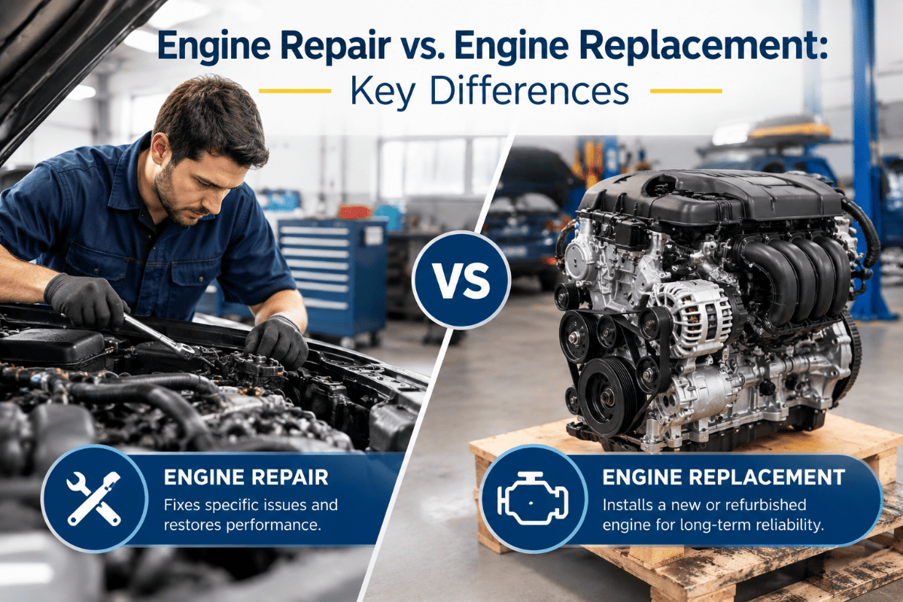
Compare engine repair vs. replacement, including costs, warning signs, benefits, and timelines. Get expert engine diagnostics at Muffler Man of Portage.
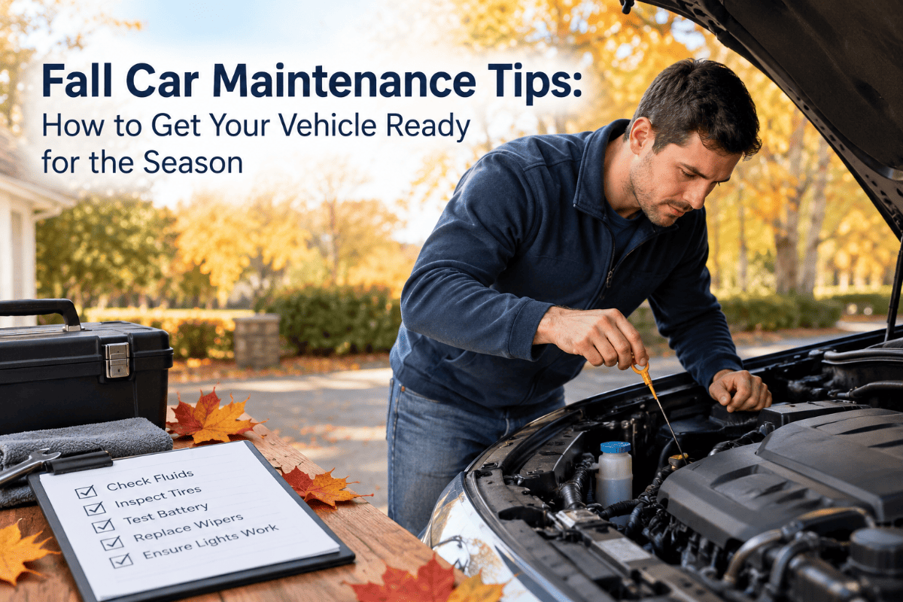
Get essential fall car maintenance tips to prepare for Michigan winter. Check your battery, tires, brakes, fluids, and more with this simple checklist.
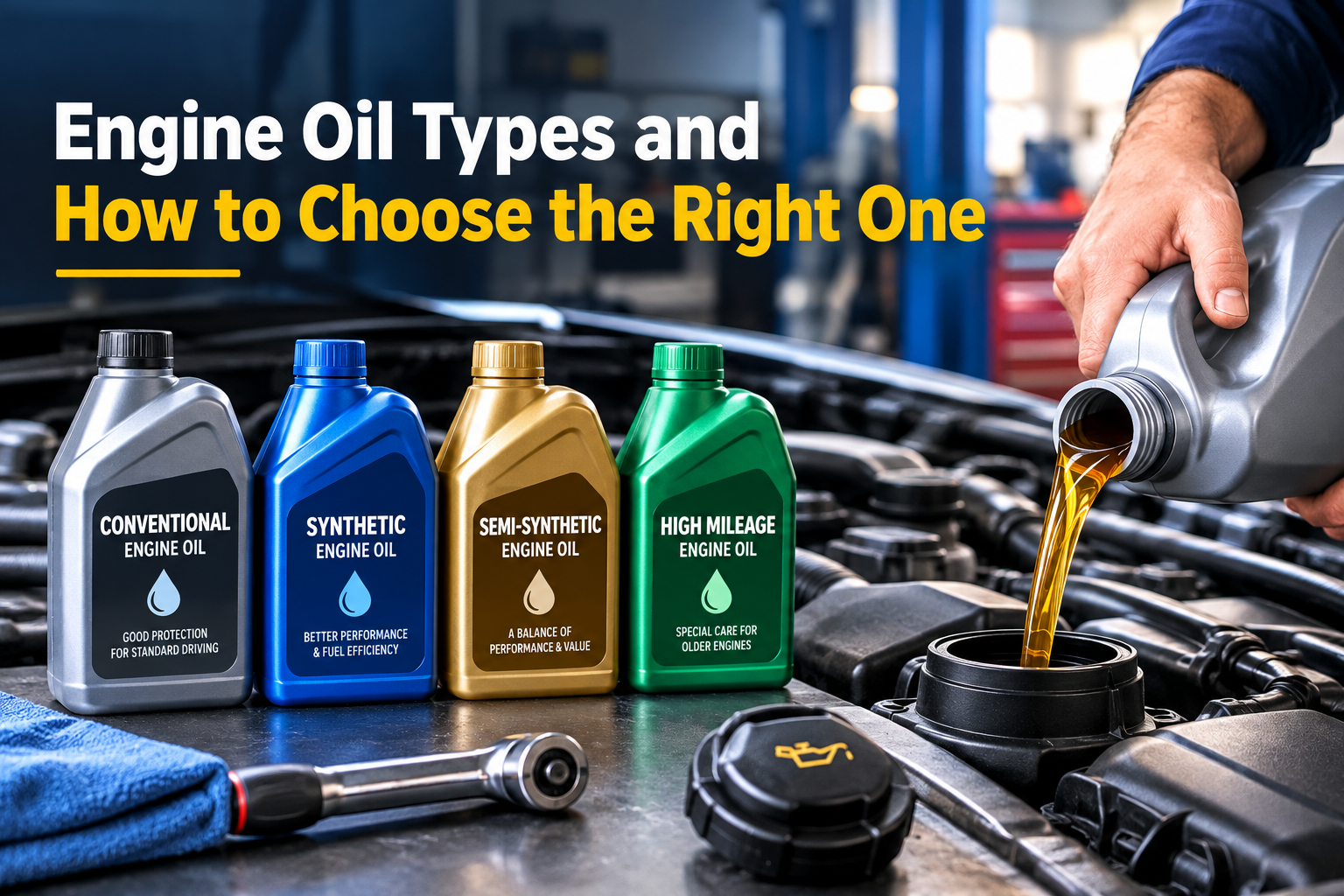
Learn about different engine oil types, their benefits, and how to choose the right oil for your car to protect your engine and improve performance.
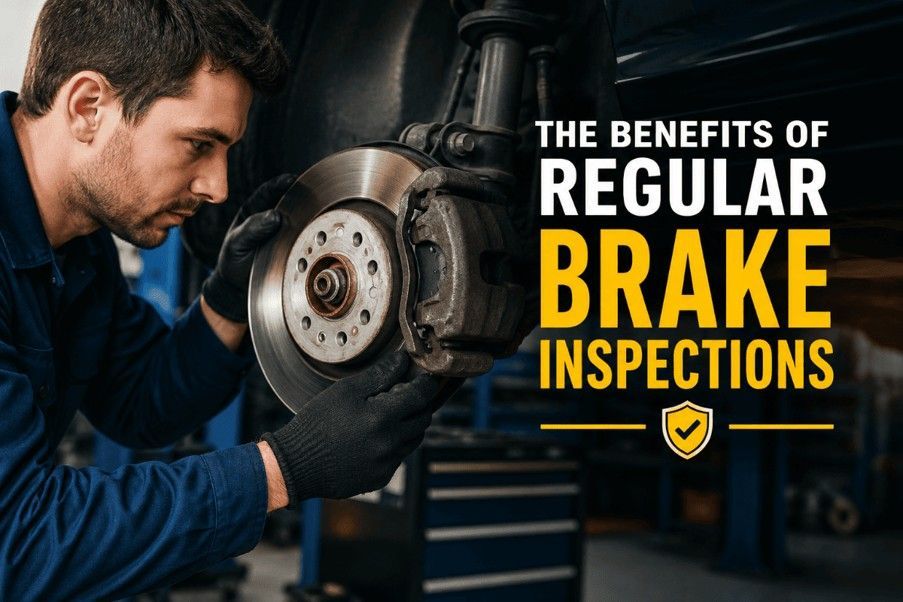
Discover the benefits of regular brake inspections, from safer stops to lower repair costs. Schedule a professional brake inspection in Portage, MI, today.
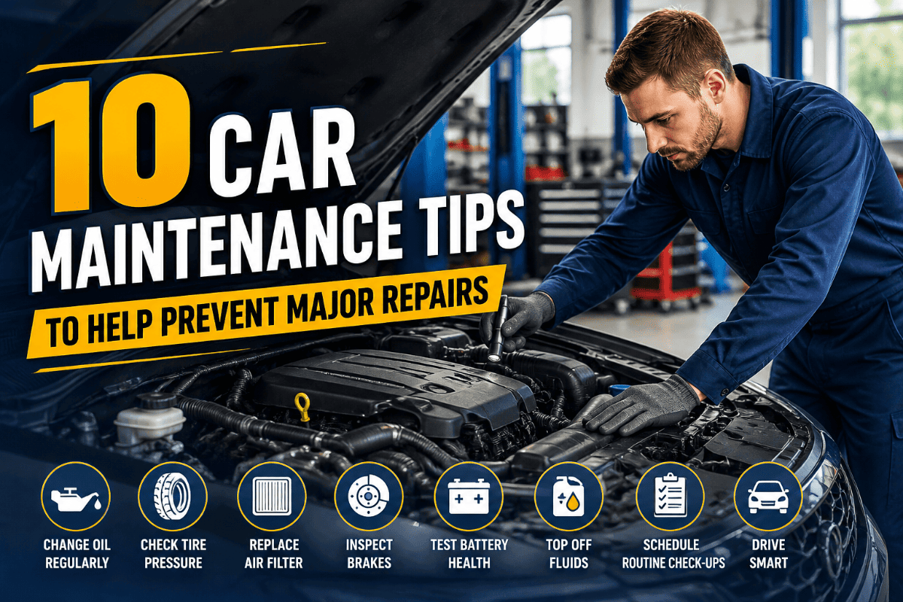
Follow these 10 car maintenance tips to prevent major repairs, improve vehicle safety, and save money with regular auto maintenance in Portage, MI.
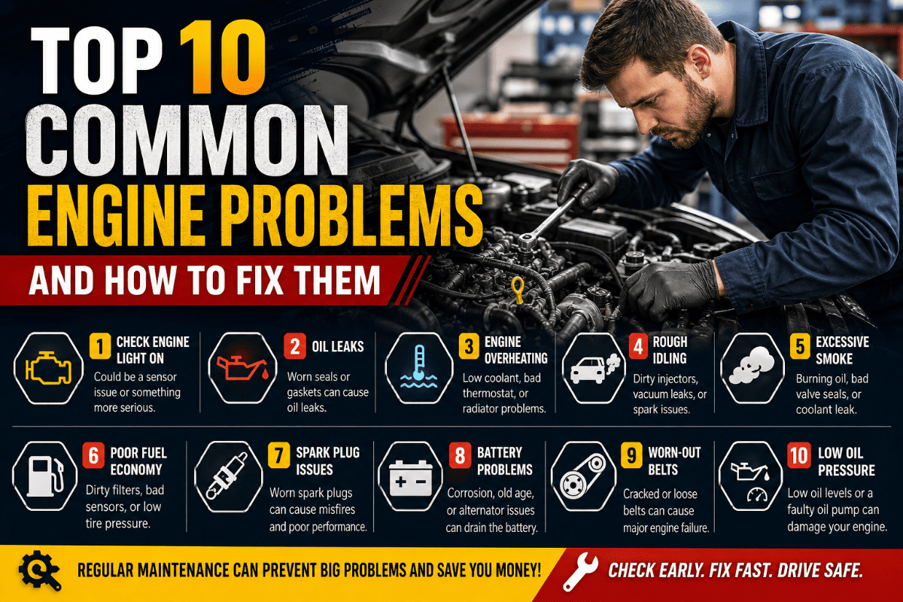
Discover 10 common engine problems, their warning signs, and practical fixes. Learn when to seek professional engine diagnostics to prevent costly repairs.
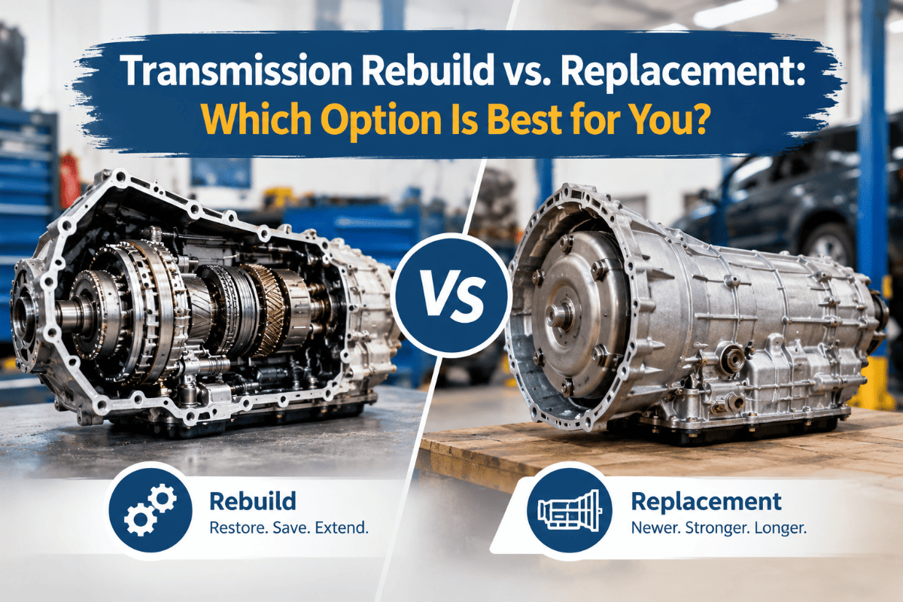
Compare transmission rebuild vs. replacement, including costs, benefits, repair time, and reliability. Get expert transmission service in Portage, MI.

Learn the common signs and causes of radiator problems, explore repair options, and discover when to seek professional help to prevent engine overheating and costly damage.
Learn the signs your vehicle needs a wheel alignment, including uneven tire wear, pulling, steering issues, and an off-center steering wheel.
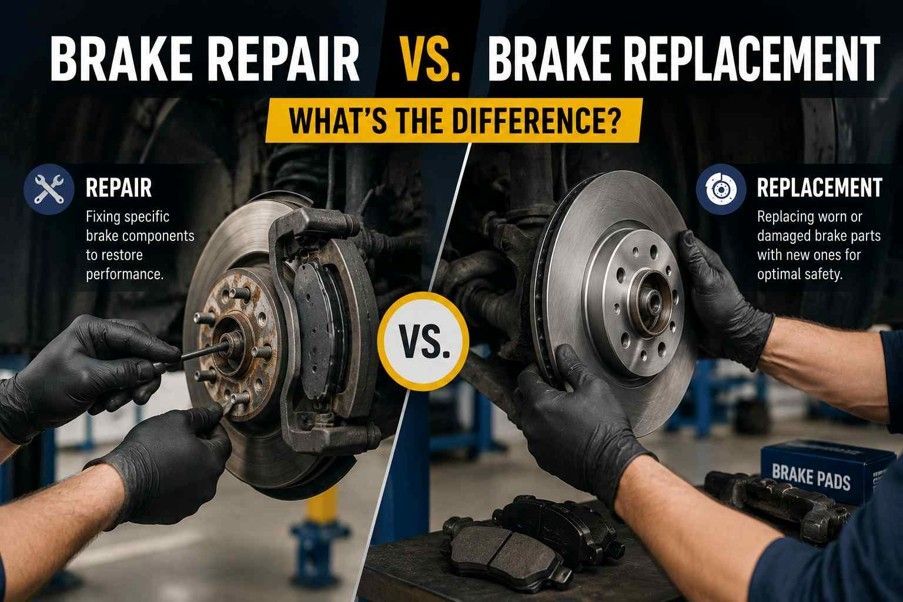
Learn the difference between brake repair and brake replacement, when each option may be needed, and the warning signs that your vehicle's brakes need attention.