Muffler Man of Portage has proudly served Portage, Kalamazoo, Oshtemo, and nearby Michigan communities since 2002. As a family-owned auto repair shop, the team specializes in mufflers, exhaust systems, brakes, suspension repair, diagnostics, and general automotive services. With certified technicians, advanced diagnostic tools, and a commitment to honest service, Muffler Man of Portage delivers reliable automotive repair solutions backed by years of hands-on industry experience
```
Pop the hood, and you will spot a small cap marked with an oil can. Pour the wrong oil in, and trouble can follow fast. We have seen it happen in the garage more times than we can count. The good news is simple. Once you know the main types of engine oil, picking one gets much easier. Think of us as the friend who knows cars and wants you to feel sure at the store.
What Engine Oil Does Under the Hood
Your engine has hundreds of moving parts. They rub against each other thousands of times every minute. Oil keeps them from grinding together. It also carries heat away, washes off grime, and fights rust. Without oil, an engine would wear out very quickly. We like to call it the lifeblood of your car, because it truly is.
Meet the Main Oil Families
Here is a quick look at motor oil types and benefits. Each one fits a different kind of driver.
Conventional Oil
Conventional oil comes from refined crude oil. It costs less and works well in simple, older engines. Its molecules vary in size, so it breaks down faster under heat and hard driving.
Full Synthetic Oil
Full synthetic oil is engineered in a lab. Its molecules are far more uniform, so it handles extreme heat and cold better. It costs more, but it often lasts longer between changes. Newer cars often require it.
Synthetic Blend Oil
A blend mixes synthetic and conventional oil. It offers extra protection at a middle price. There is no required ratio, though, so the synthetic share can be small.
High Mileage Oil
High mileage oil is made for older cars, often those past 75,000 miles. It has added seal conditioners to help slow small leaks. It will not repair an engine, but it can help an aging one. You may also see racing oil on the shelf. It is built for track engines, so skip it for daily driving.
Reading the Numbers on the Bottle
Every bottle shows a grade like 5W-30. This is the oil’s viscosity, which means how easily it flows. The first number, followed by the W for winter, shows flow at cold start. A lower number flows faster in the cold. The second number shows thickness at normal engine heat. Both numbers matter, so always read them together.
We often hear a myth about thick oil. People think thicker is always better. Modern engines have tight spaces, so thick oil can flow too slowly and strain parts. Picture sipping a milkshake through a coffee stirrer. It takes far more effort.
Read More : Top 10 Common Engine Problems and How to Fix Them
A Simple Way to Pick Your Oil
Wondering how to choose motor oil without second-guessing yourself? We follow four steps every time.
- Open your owner’s manual: It lists the grade and oil standard your engine needs.
- Match the grade exactly: If the manual says 0W-20, do not swap in 10W-40.
- Look for the API mark: The American Petroleum Institute label shows the oil meets current quality standards.
- Think about your driving: Towing, short trips, stop-and-go traffic, and extreme weather are hard on oil. Synthetic often holds up better here.
The best engine oil for your car is the one your maker approves. Price tags and flashy labels matter far less.
Gas Engines vs. Diesel Engines
Your fuel type changes the oil you need. For the best engine oil for gasoline engines, look for API SP or ILSAC GF-6 on the label. These standards help control sludge, deposits, and fuel use.
For the best engine oil for diesel engines, look for API CK-4 or FA-4, depending on your manual. CK-4 suits most modern diesel trucks and many older ones. FA-4 is a thinner oil made for certain 2017 and newer engines. It is not a swap for CK-4 or older diesel oils, so check before you buy.
Why Fresh Oil Matters
The importance of regular oil changes comes down to simple wear and tear. Oil contains additives that clean and protect your engine. Over time, those additives wear out. Old oil also fills with soot and grit. Then sludge can form, and parts wear faster. A fresh change restores your engine’s protection and helps you avoid costly repairs. Check your manual for the right interval. Some newer cars on synthetic oil can go 7,500 to 10,000 miles. Older cars or hard driving call for shorter gaps.
When Your Car Asks for Help
Sometimes oil is not the whole story. A glowing oil pressure light means you should pull over and check the level. A check engine light is different. It can point to a loose gas cap or a serious misfire. Check engine light diagnostics read the codes and show the real cause. Knocking sounds, burning smells, and blue smoke also deserve a look. Skilled engine repair specialists can spot small problems before they grow. Pairing oil changes with a routine engine maintenance service keeps surprises low.
Keep Your Engine Running Strong With Expert Help
We love helping drivers feel confident about what goes under the hood. If you want hands-on help, stop by Muffler Man in Portage, MI. As a trusted, certified car repair shop, we will check your oil, answer your questions, and keep your engine in great shape. Bring your car by, and let us take the guesswork out of your next oil change.
FAQs
What are the different types of engine oil, and how do they differ?
The main types are conventional, synthetic blend, full synthetic, and high mileage oil. They differ in how they are made, how well they handle heat and wear, how long they last, and cost.
What is the difference between synthetic and conventional engine oil?
Conventional oil comes from refined crude oil. Synthetic oil is engineered with more uniform molecules, so it resists heat, cold, and breakdown better. It often lasts longer, while conventional costs less but needs changes sooner.
How do I choose the right engine oil for my car?
Check your owner’s manual for the grade and oil standard. Match both exactly, look for the API mark, and consider your driving habits. Using the approved oil protects your engine.
What do engine oil grades like 5W-30 and 0W-20 mean?
The number before the W shows how well oil flows when cold. The number after shows thickness at engine heat. So 0W-20 flows easier in cold weather than 5W-30 and runs a bit thinner when hot.
How often should I change my car’s engine oil?
Follow your owner’s manual first. Most cars call for changes every 5,000 to 7,500 miles, and some synthetics go up to 10,000. Short trips, towing, and extreme heat call for earlier changes.

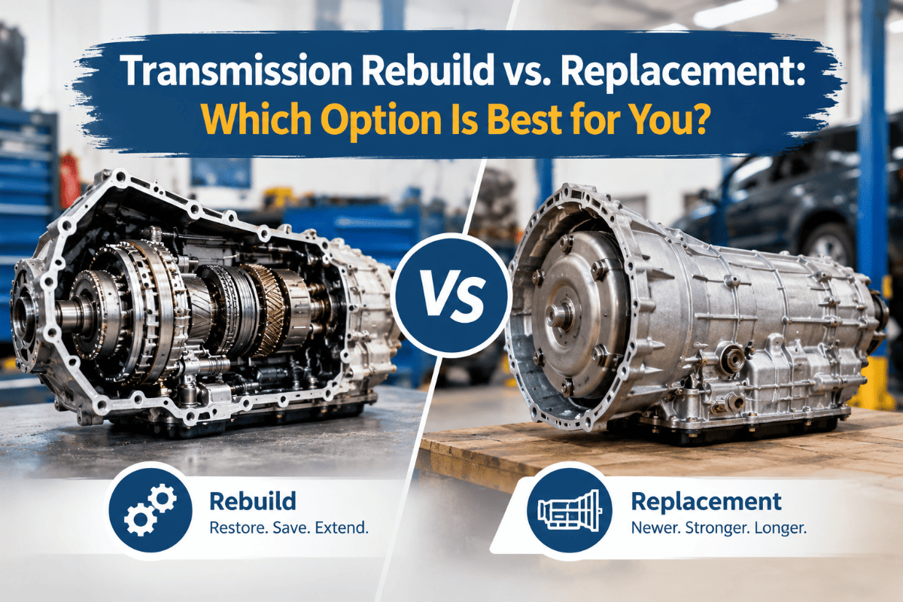
Compare transmission rebuild vs. replacement, including costs, benefits, repair time, and reliability. Get expert transmission service in Portage, MI.
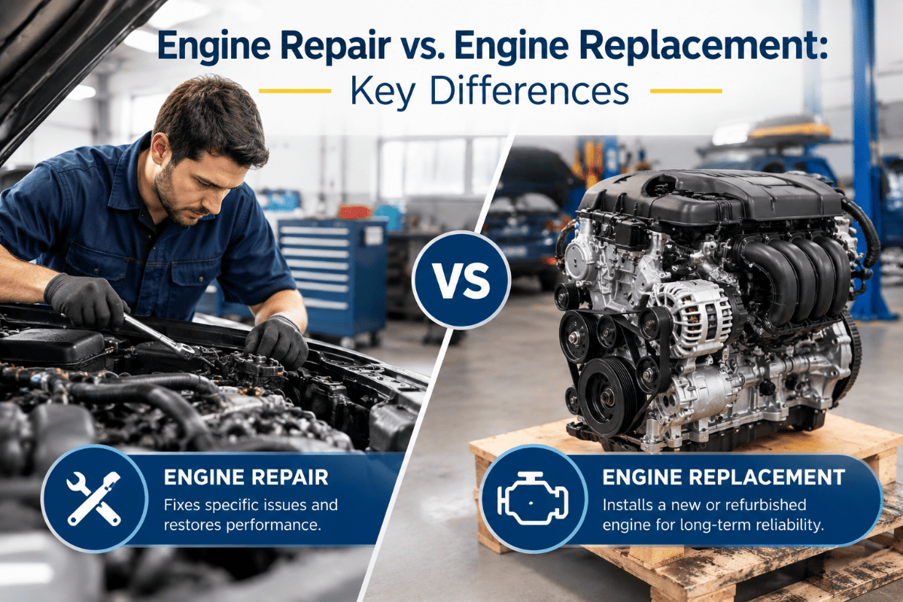
Compare engine repair vs. replacement, including costs, warning signs, benefits, and timelines. Get expert engine diagnostics at Muffler Man of Portage.
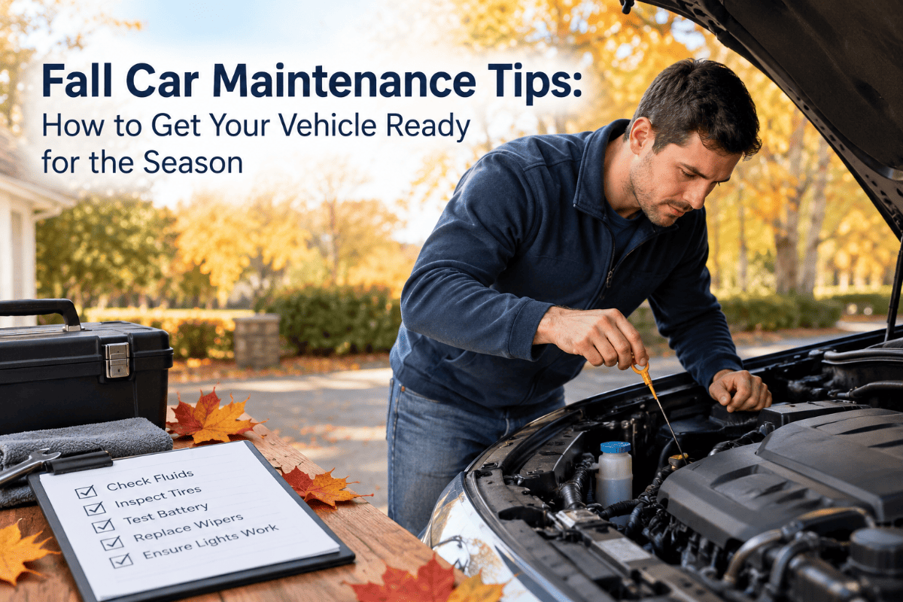
Get essential fall car maintenance tips to prepare for Michigan winter. Check your battery, tires, brakes, fluids, and more with this simple checklist.
Discover the benefits of regular brake inspections, from safer stops to lower repair costs. Schedule a professional brake inspection in Portage, MI, today.
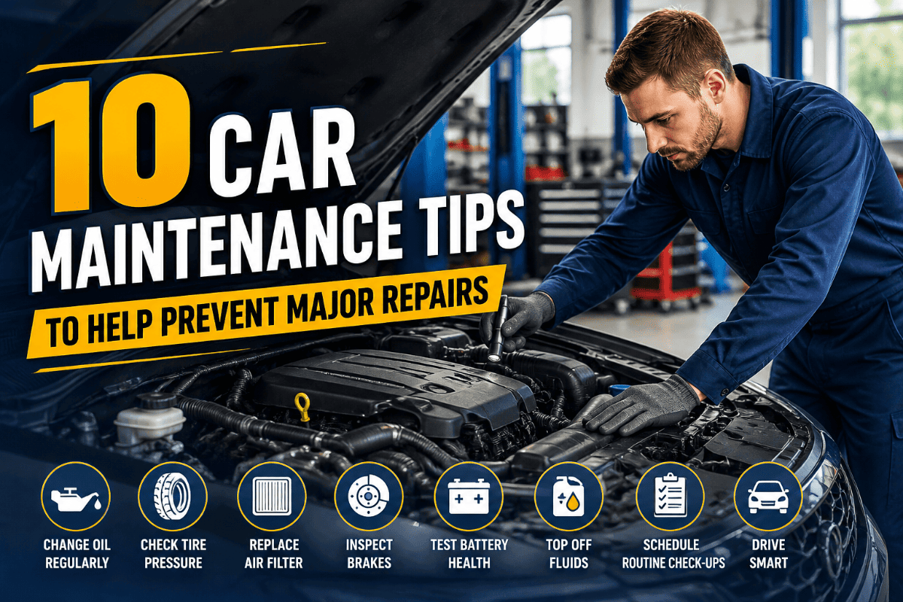
Follow these 10 car maintenance tips to prevent major repairs, improve vehicle safety, and save money with regular auto maintenance in Portage, MI.
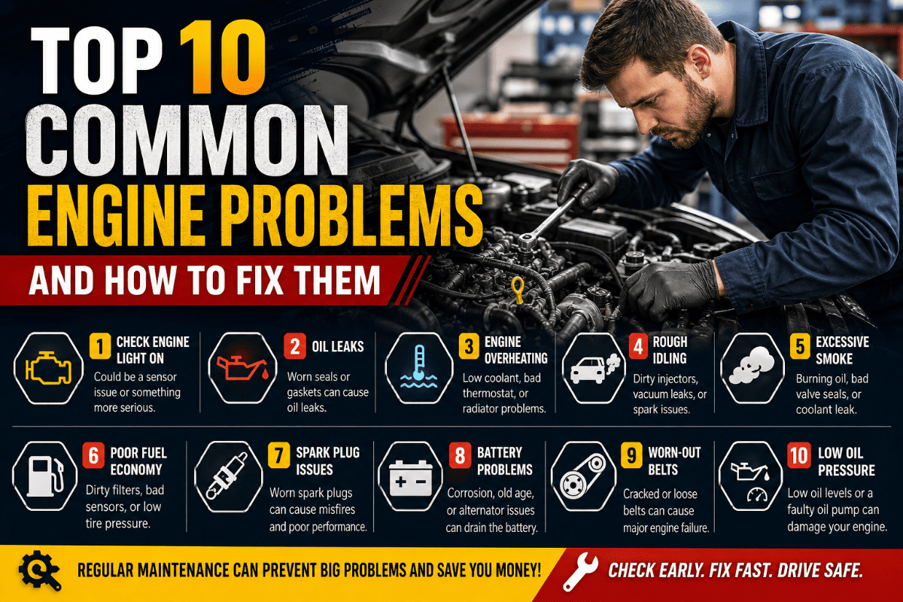
Discover 10 common engine problems, their warning signs, and practical fixes. Learn when to seek professional engine diagnostics to prevent costly repairs.

Learn the common signs and causes of radiator problems, explore repair options, and discover when to seek professional help to prevent engine overheating and costly damage.

Learn how to extend the life of your transmission with essential maintenance tips, proper driving habits, and early warning signs to watch for.
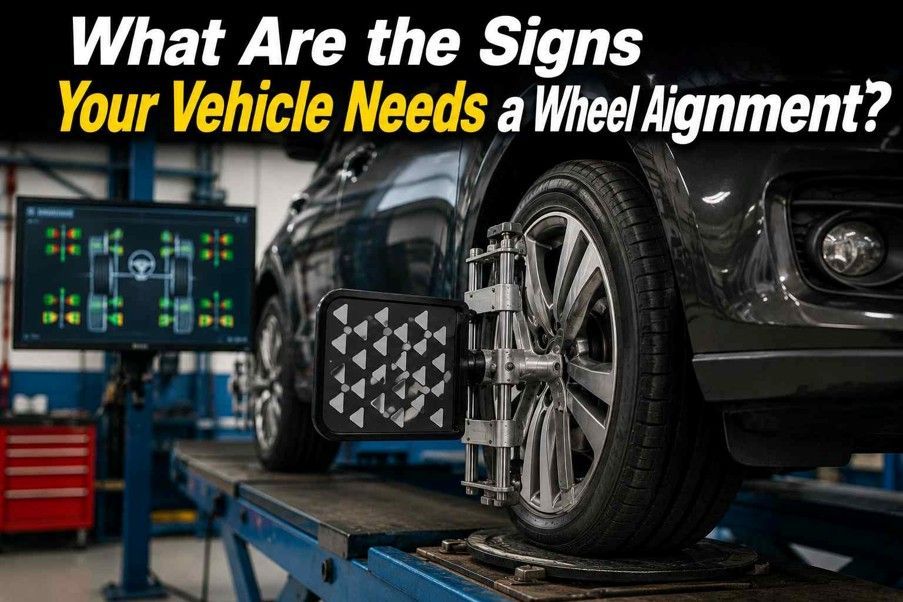
Learn the signs your vehicle needs a wheel alignment, including uneven tire wear, pulling, steering issues, and an off-center steering wheel.
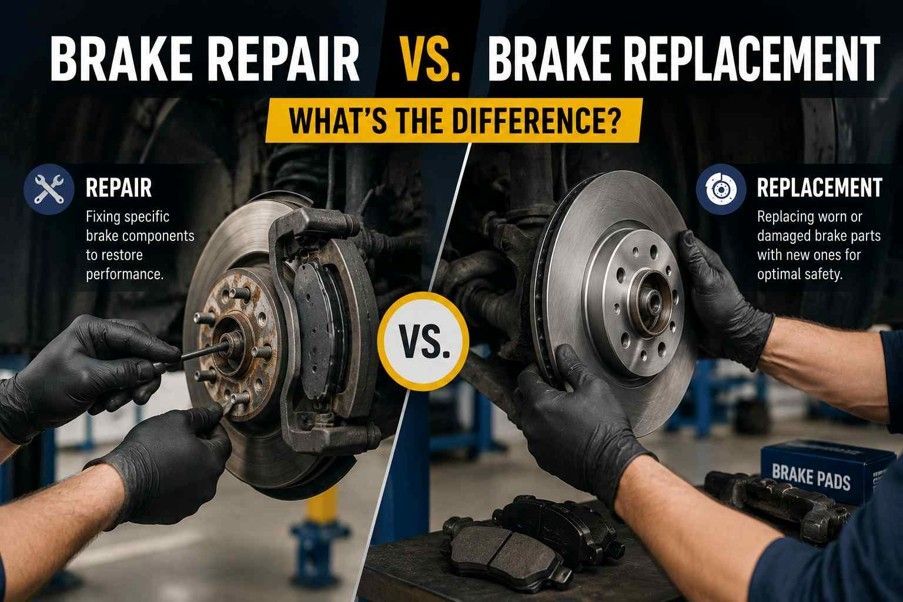
Learn the difference between brake repair and brake replacement, when each option may be needed, and the warning signs that your vehicle's brakes need attention.