Muffler Man of Portage has proudly served Portage, Kalamazoo, Oshtemo, and nearby Michigan communities since 2002. As a family-owned auto repair shop, the team specializes in mufflers, exhaust systems, brakes, suspension repair, diagnostics, and general automotive services. With certified technicians, advanced diagnostic tools, and a commitment to honest service, Muffler Man of Portage delivers reliable automotive repair solutions backed by years of hands-on industry experience
Most car trouble doesn't happen out of nowhere. It builds up slowly, one skipped check at a time, until something finally gives out. That's exactly why preventive car maintenance matters so much, and why a little attention now can save you from a big repair bill later. The good news is you don't need to be a mechanic to stay on top of it. You just need to know what to check and how often. Let's break it down into simple, manageable pieces.
What Should You Check During Routine Car Maintenance?
The easiest way to think about it is in three groups: things to check monthly, things to check every year or so, and things that change with the seasons. This keeps your car maintenance checklist simple instead of overwhelming.
Monthly Checks: Small Habits That Add Up
These checks take just a few minutes but catch problems early.
1.Oil and Coolant Levels
Check both levels once a month, or every few gas fill-ups, while the engine is cool. Low oil or coolant can lead to engine damage if it goes unnoticed for too long. Your owner's manual will show you exactly where to look under the hood.
2.Air Filter
Your air filter keeps dirt and debris out of the engine. A clean filter helps your engine breathe properly and can even improve fuel efficiency. Checking it monthly is a simple habit that protects a much more expensive part of your car.
3.Tire Pressure and Tread
Tires lose pressure naturally, and cold weather speeds that up. For every 10-degree drop in temperature, tire pressure drops about one pound. Check pressure monthly, along with tread depth, so your tires stay safe and grip the road properly.
4.Lights
Headlights, brake lights, and turn signals are easy to forget until one stops working. Once a month, take a minute to check that all your lights are working and pointed the right way. This small habit keeps you visible and legal on the road.
Regular Service Items: The Core of Your Maintenance Schedule
Some parts need attention on a longer cycle, but skipping them causes real damage over time. This is the heart of any solid automotive maintenance schedule. Oil and filter changes usually happen every 3,000 to 10,000 miles, depending on your vehicle and oil type. Clean oil protects almost every moving part inside your engine, so this is one task worth never skipping.
Tire rotations every 5,000 to 7,000 miles even out tread wear across all four tires. This simple step extends tire life and helps your car handle more predictably. Transmission fluid needs checking on a longer cycle, since it keeps your transmission's internal parts lubricated and cool. Low or old fluid is one of the most common causes of expensive transmission repairs.
Read More : What Are the Most Common Car Problems Drivers Face?
What Fluids Should Be Checked Regularly in a Car?
A common question we hear is: What fluids should I be checking regularly in a car? Here's a simple breakdown.
| Fluid | Why It Matters | How Often to Check |
|---|---|---|
| Engine oil | Lubricates and cools engine parts | Monthly |
| Coolant | Prevents engine overheating | Monthly |
| Transmission fluid | Keeps gears shifting smoothly | Every service visit |
| Brake fluid | Powers safe, responsive braking | Every service visit |
| Power steering fluid | Keeps steering smooth and easy | Every service visit |
Staying ahead of these fluid checks is one of the simplest ways to avoid a breakdown that catches you off guard.
Parts That Wear Over Time
A few components don't need monthly attention, but they still deserve a spot on your radar.
● Spark plugs ignite the fuel that powers your engine. Worn plugs can cause a loss of power or rough running, so it's worth having them checked if performance starts to slip.
● Shocks and struts keep your ride smooth and controlled. A professional should check them every 50,000 miles or sooner if your car starts feeling rougher than usual.
● The serpentine belt powers your alternator, power steering, and air conditioning. A quick visual check for cracks can catch a problem before it leaves you stranded.
Seasonal Checks Worth Adding to Your List
Some maintenance needs shift with the weather. Windshield wipers wear out roughly once a year, and winter blades can make a real difference in snow and ice. Battery performance also drops in extreme heat and cold, so it's smart to have your battery tested before the harshest months hit.
If you drive somewhere with real winters, switching to winter tires improves grip once temperatures stay near or below freezing. And don't forget to double-check your coolant mix, since a proper antifreeze ratio protects your engine from freezing temperatures.
Can Regular Maintenance Prevent Expensive Car Repairs?
In most cases, yes. Small, consistent checks catch problems while they're still cheap to fix, long before they turn into major repairs. A missed oil change can lead to engine damage. Low transmission fluid can mean a costly rebuild. Worn brake components can turn into an even bigger repair if ignored. Staying consistent with a basic car maintenance service routine is one of the most cost-effective habits a driver can build.
Schedule Your Full-Service Inspection Today
We believe staying ahead of small issues is always easier than dealing with a breakdown later, and that's the mindset we bring to every visit. Our team offers a full-service car inspection that checks the fluids, parts, and systems covered in this guide, so nothing gets missed. If you're searching for car repair specialists nearby, Muffler Man is here to help Portage drivers stay safe, prepared, and confident behind the wheel. Reach out today and let's build a maintenance plan that fits your car and your schedule.
FAQs
What should you check regularly on your car?
Check oil, coolant, tire pressure, and lights every month. These quick checks catch small issues early, before they turn into bigger, costlier repairs.
How often should a car be serviced?
Most cars need service every 5,000 to 7,500 miles, though this varies by vehicle. Check your owner's manual for the exact recommended schedule.
What is included in preventive car maintenance?
It typically includes oil changes, fluid checks, tire rotations, brake inspections, and checks on belts, filters, and lights to catch problems early.
What are the most important routine car maintenance tasks?
Oil changes, tire care, and fluid checks are the most important routine tasks. Skipping these often leads to the most expensive repairs down the road.
How often should you check your oil?
Check your oil level once a month, and follow your manufacturer's schedule for full oil changes, usually every 3,000 to 10,000 miles.

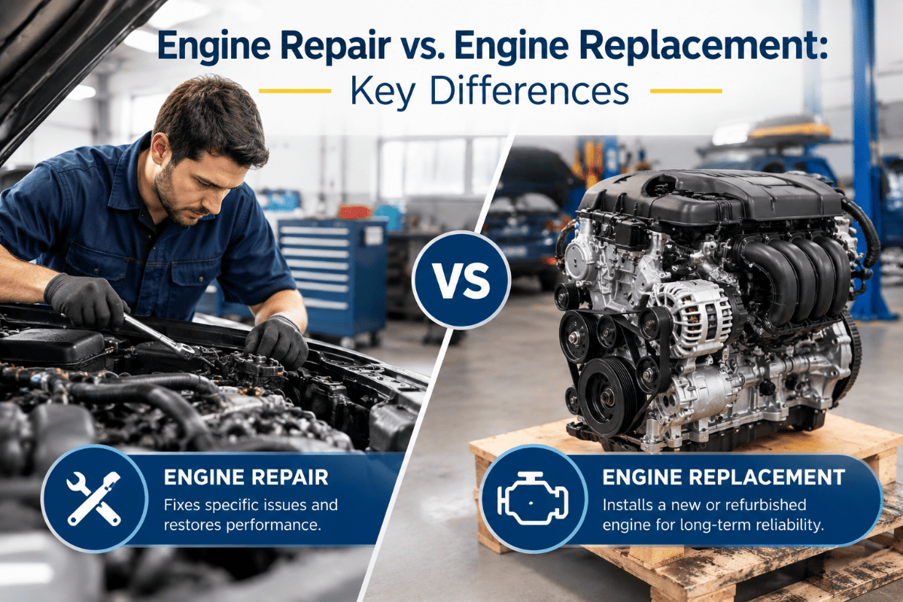
Compare engine repair vs. replacement, including costs, warning signs, benefits, and timelines. Get expert engine diagnostics at Muffler Man of Portage.
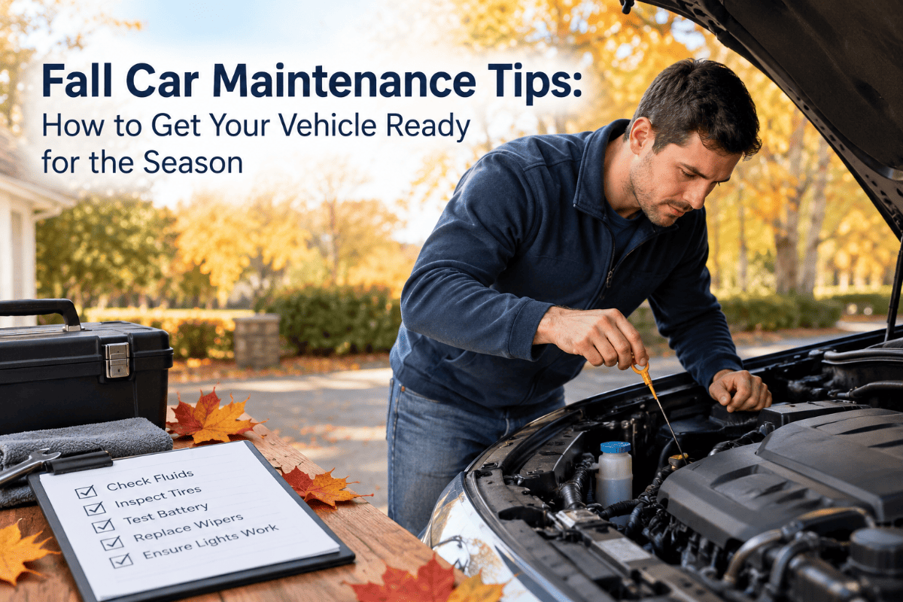
Get essential fall car maintenance tips to prepare for Michigan winter. Check your battery, tires, brakes, fluids, and more with this simple checklist.
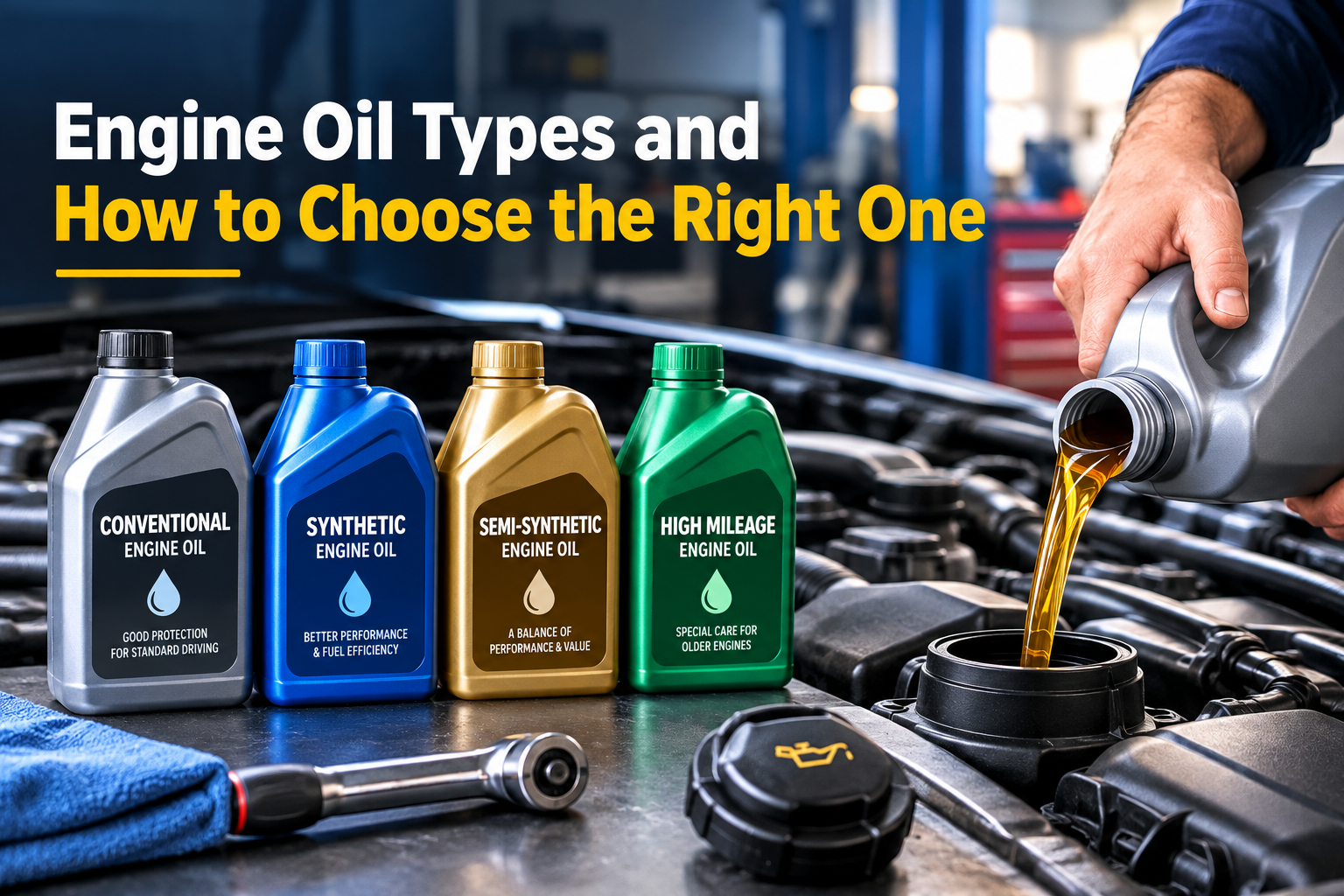
Learn about different engine oil types, their benefits, and how to choose the right oil for your car to protect your engine and improve performance.
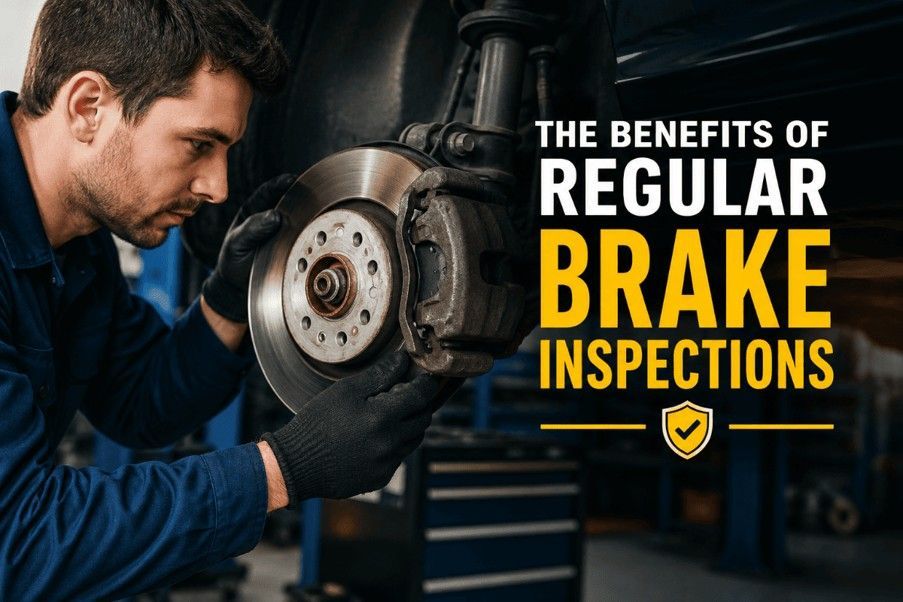
Discover the benefits of regular brake inspections, from safer stops to lower repair costs. Schedule a professional brake inspection in Portage, MI, today.
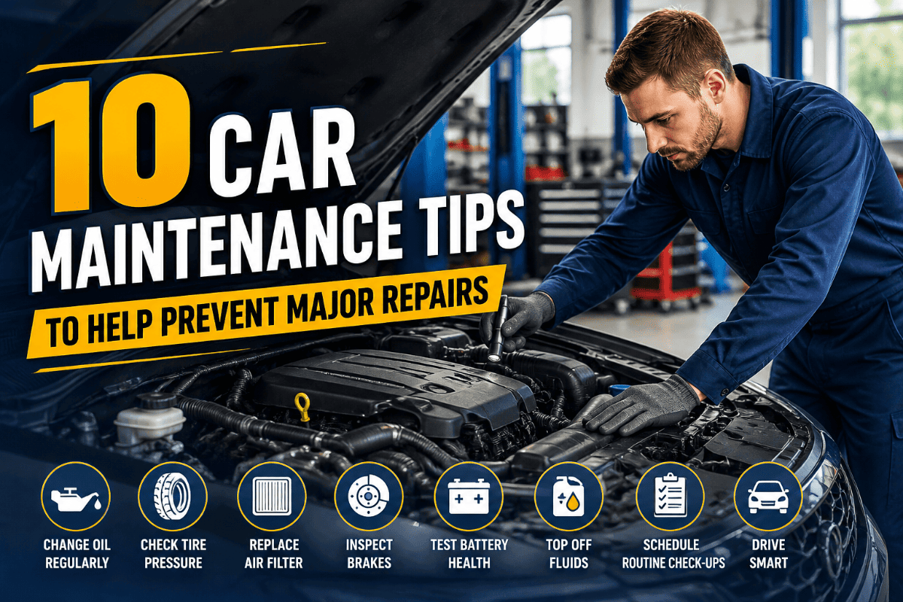
Follow these 10 car maintenance tips to prevent major repairs, improve vehicle safety, and save money with regular auto maintenance in Portage, MI.
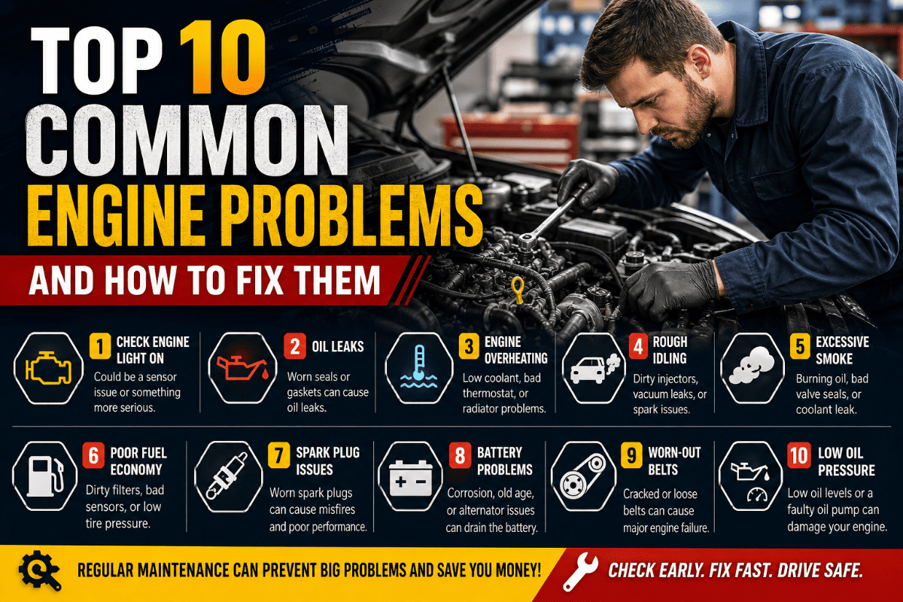
Discover 10 common engine problems, their warning signs, and practical fixes. Learn when to seek professional engine diagnostics to prevent costly repairs.
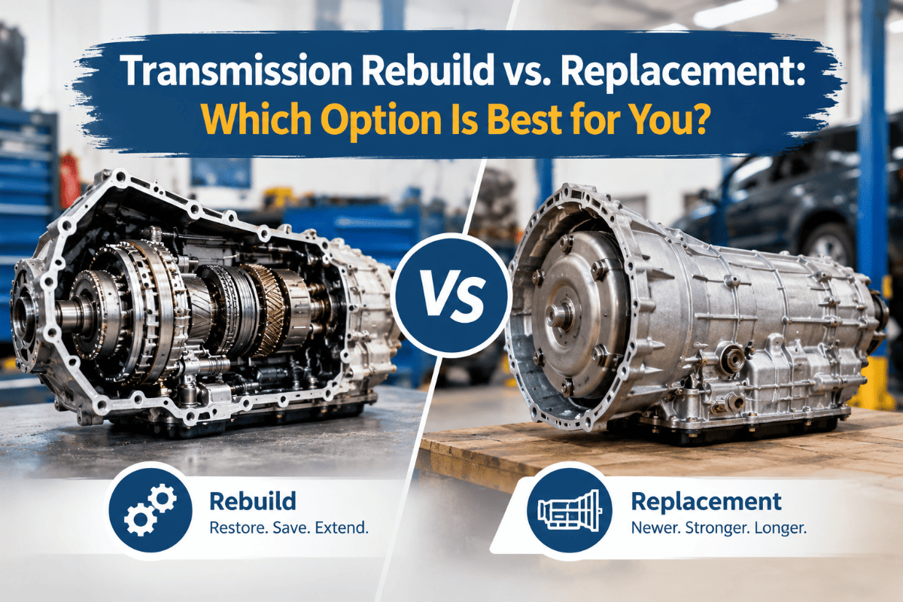
Compare transmission rebuild vs. replacement, including costs, benefits, repair time, and reliability. Get expert transmission service in Portage, MI.

Learn the common signs and causes of radiator problems, explore repair options, and discover when to seek professional help to prevent engine overheating and costly damage.

Learn how to extend the life of your transmission with essential maintenance tips, proper driving habits, and early warning signs to watch for.
Learn the signs your vehicle needs a wheel alignment, including uneven tire wear, pulling, steering issues, and an off-center steering wheel.