Muffler Man of Portage has proudly served Portage, Kalamazoo, Oshtemo, and nearby Michigan communities since 2002. As a family-owned auto repair shop, the team specializes in mufflers, exhaust systems, brakes, suspension repair, diagnostics, and general automotive services. With certified technicians, advanced diagnostic tools, and a commitment to honest service, Muffler Man of Portage delivers reliable automotive repair solutions backed by years of hands-on industry experience
Every driver deals with car trouble at some point. A strange noise, a warning light, or a sluggish start can turn a normal morning into a stressful one. Understanding the most common car problems helps you spot trouble early, before it turns into a bigger repair.
Some issues are minor and easy to fix. Others need quick attention to avoid further damage. Knowing the difference can save you time, money, and a lot of worry. Cars are built with thousands of parts working together, and wear happens over time. Learning to recognize the early signs makes you a more confident driver.
Signs Your Car Is Trying to Tell You Something
Cars rarely break down without warning. Small signs usually show up first, and catching them early makes repairs simpler and cheaper. Watch for these common warning signs:
● Dashboard lights turning on, especially the check engine light
● Unusual noises like grinding, squealing, or knocking
● Fluid puddles under the car after parking
● A car that pulls to one side while driving
● Rougher rides or vibration through the steering wheel
If you notice any of these, it's worth getting your car looked at soon rather than waiting.
The Most Common Car Problems Drivers Face
Cars break down for a limited number of reasons, and most fall into a few clear categories. Here's a breakdown of what tends to go wrong most often.
1.Check Engine Light Issues
The check engine light is one of the most common reasons drivers head to a repair shop. A steady light usually points to something like a loose gas cap or a worn sensor. A flashing light is more serious and can signal a misfire that may damage the catalytic converter. Either way, ignoring this light is risky. Small issues behind it tend to grow if left unchecked.
2.Battery and Starting Trouble
A car that won't start is one of the most frustrating problems drivers face. Rapid clicking usually means a weak battery, while a single click or silence often points to a failing starter. If your car starts fine with a jump but dies again quickly, the alternator may be the real problem. Cold weather makes battery issues even more common, since low temperatures reduce battery power. Older batteries, generally past the three-year mark, are more likely to fail without warning.
3.Brake Problems
Brakes are one system you never want to ignore. Squealing or squeaking often means the brake pads are wearing thin, while grinding usually means metal is touching metal.
4.How Do I Know if My Brakes Need Repair?
Watch for a soft or spongy pedal, pulling to one side, or vibration when you brake. Any of these signs mean it's time for a brake repair service before the problem gets worse.
5.Tire Wear and Pressure Problems
Uneven tire wear shortens the life of your tires and can hint at bigger issues. Wear on the outer edges usually means low pressure, while wear in the center points to overinflation. Wear on just one side often means the wheels are out of alignment. Checking tire pressure monthly, along with regular rotations, helps tires wear evenly and last longer.
6.Fluid Leaks
A puddle under your parked car is a clear signal that something needs attention. Oil leaks look dark and feel greasy, while coolant leaks are often green, orange, or pink with a sweet smell. Transmission fluid tends to be reddish and slightly sweet-smelling too. Ignoring fluid leaks can lead to bigger problems, since fluids protect and cool major systems inside your car.
7.Overheating Engines
An overheating engine needs quick attention. Steam from the hood, a rising temperature gauge, or a sudden loss of power are all signs to pull over safely and shut off the engine. Overheating often comes from low coolant, a failing thermostat, or a clogged radiator. Driving on an overheated engine can cause lasting damage in a short time.
8.Poor Gas Mileage
Dropping fuel economy is often a sign your car needs attention. Dirty air filters, worn spark plugs, and low tire pressure all force the engine to work harder than it should. Keeping up with preventive car maintenance, like oil changes and filter replacements, helps your engine run efficiently and keeps fuel costs down. Aggressive driving habits, such as hard braking and quick acceleration, also burn through fuel faster than necessary.
Read More : Why Is My Car Losing Power While Accelerating?
Quick Reference: Common Car Problems at a Glance
| Symptom | Likely Cause | How Urgent |
|---|---|---|
| Flashing check engine light | Misfire, catalytic converter risk | Stop driving soon |
| Rapid clicking when starting | Weak or dead battery | Get checked soon |
| Squealing or grinding brakes | Worn brake pads or rotors | Address quickly |
| Puddle under the car | Oil, coolant, or fluid leak | Check within days |
| Steam from the hood | Engine overheating | Pull over immediately |
| Dropping fuel economy | Dirty filters, worn spark plugs | Schedule a checkup |
How Do Mechanics Diagnose Car Problems?
The process usually starts with listening to what you've noticed, since your description often points toward the right system. From there, most shops run a complete vehicle inspection service check, scanning for stored codes and testing key components like the battery, brakes, and fluid levels. This step-by-step approach helps confirm the real cause instead of guessing. Our certified auto repair technicians follow this same process on every vehicle that comes through the shop. Testing first means you only pay for the repair your car actually needs.
Keep Your Car Running Strong With Muffler Man
Car trouble is stressful, but you don't have to figure it out alone. At Muffler Man, we take the time to explain what's actually going on with your vehicle and walk you through your options before any work begins. Whether it's a strange noise, a warning light, or just routine upkeep, we're here to help you stay ahead of bigger repairs. Stop by our Portage shop, and let's keep your car running the way it should.
FAQs
What are the most common car problems drivers face?
Drivers most often deal with dead batteries, check engine lights, brake wear, fluid leaks, and tire issues. Most of these problems show early warning signs before becoming serious.
What are the most common signs that a car needs repair?
Warning lights, unusual noises, fluid puddles, vibration while driving, and a change in how the car handles are all signs your car needs attention soon.
What car problems should you not ignore?
Flashing check engine lights, overheating, brake issues, and transmission slipping should never be ignored. These can quickly turn into safety risks or costly repairs.the item or answer the question so that site visitors who are interested get more information. You can emphasize this text with bullets, italics or bold, and add links.
What are the most common causes of car breakdowns?
Dead batteries, worn belts, low fluid levels, and tire failures cause most roadside breakdowns. Many of these are preventable with regular maintenance checks.
How can you prevent common car problems?
Regular oil changes, fluid checks, tire rotations, and prompt attention to warning signs help prevent the most common car problems before they become serious.
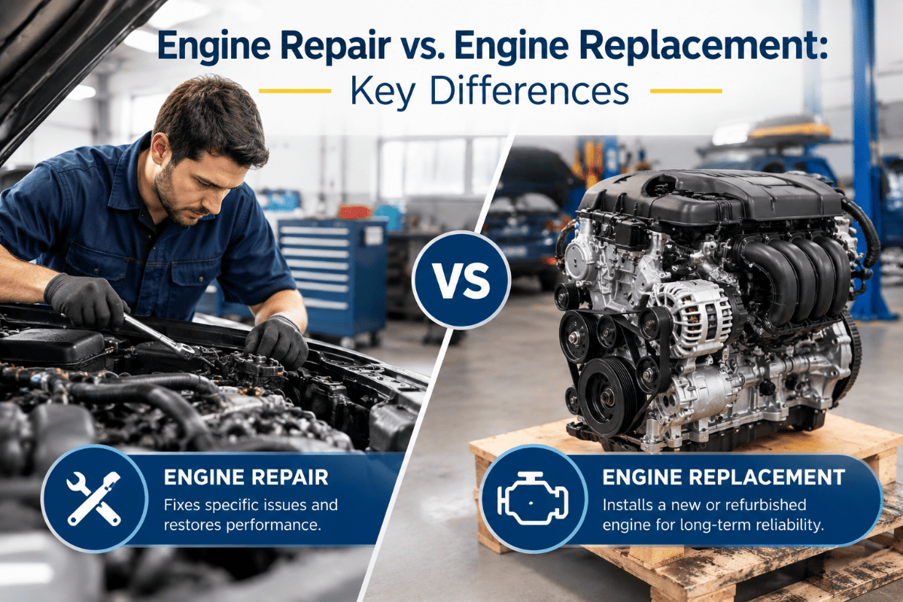
Compare engine repair vs. replacement, including costs, warning signs, benefits, and timelines. Get expert engine diagnostics at Muffler Man of Portage.
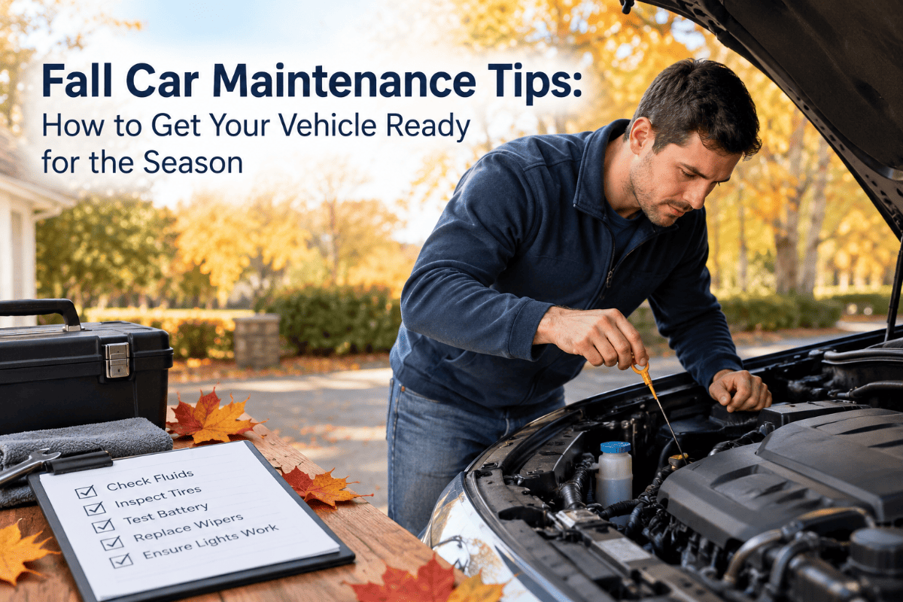
Get essential fall car maintenance tips to prepare for Michigan winter. Check your battery, tires, brakes, fluids, and more with this simple checklist.

Learn about different engine oil types, their benefits, and how to choose the right oil for your car to protect your engine and improve performance.
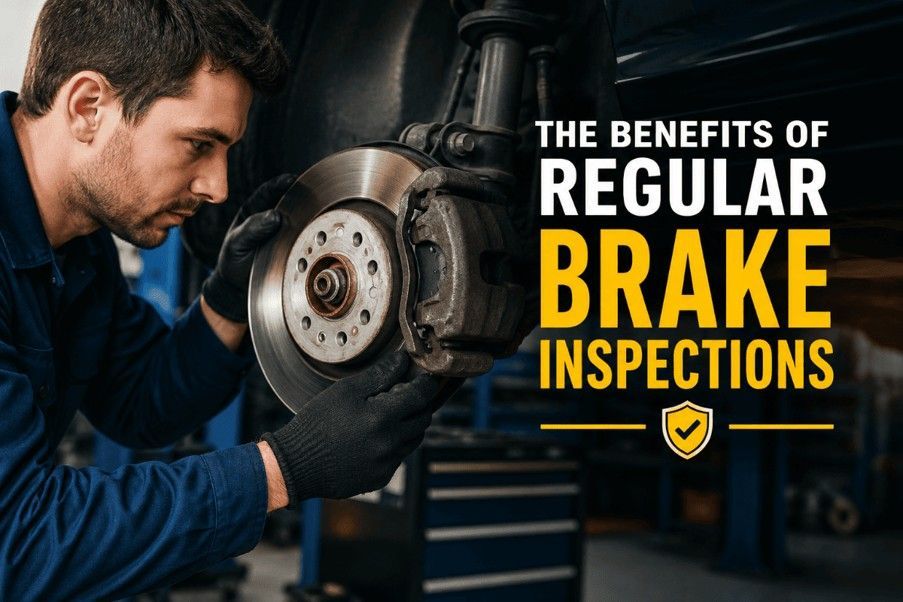
Discover the benefits of regular brake inspections, from safer stops to lower repair costs. Schedule a professional brake inspection in Portage, MI, today.
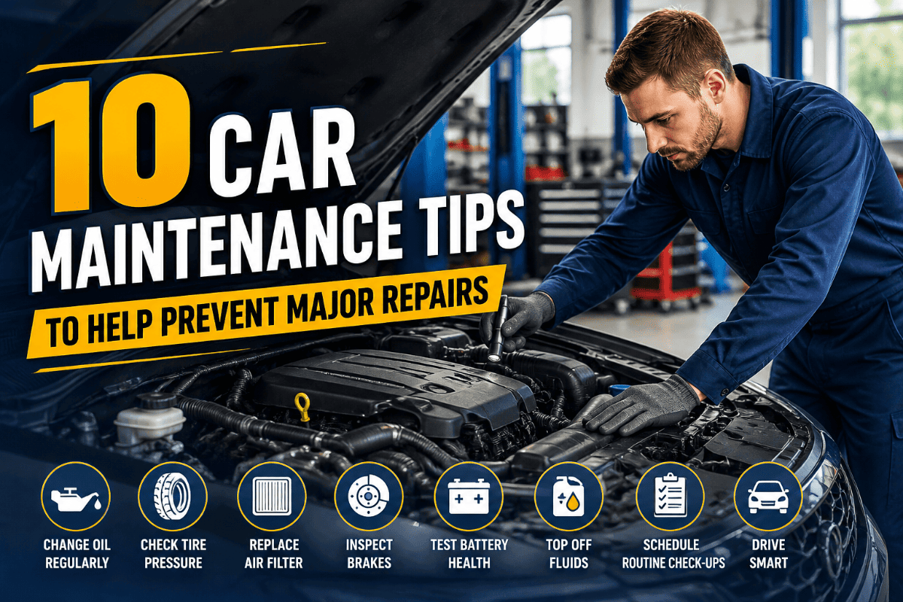
Follow these 10 car maintenance tips to prevent major repairs, improve vehicle safety, and save money with regular auto maintenance in Portage, MI.
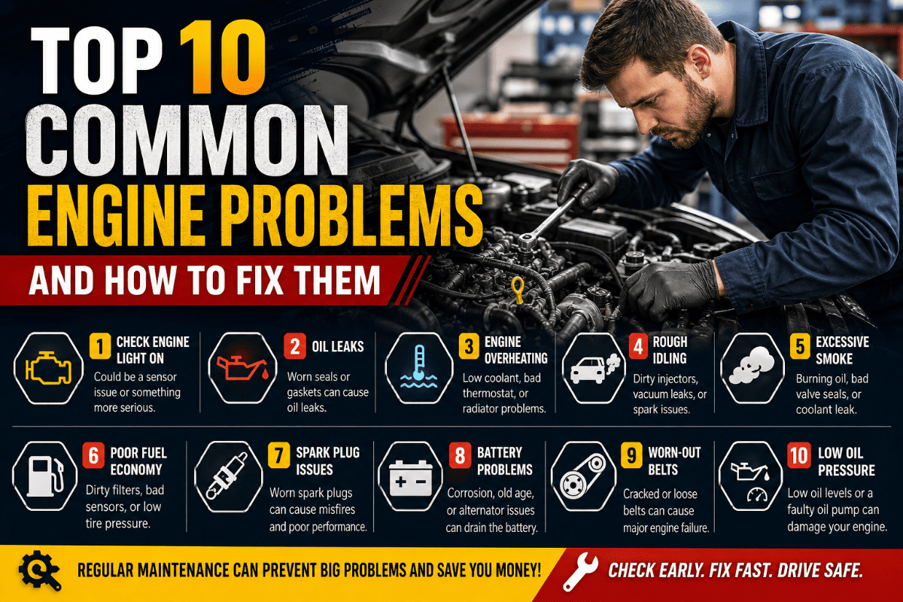
Discover 10 common engine problems, their warning signs, and practical fixes. Learn when to seek professional engine diagnostics to prevent costly repairs.
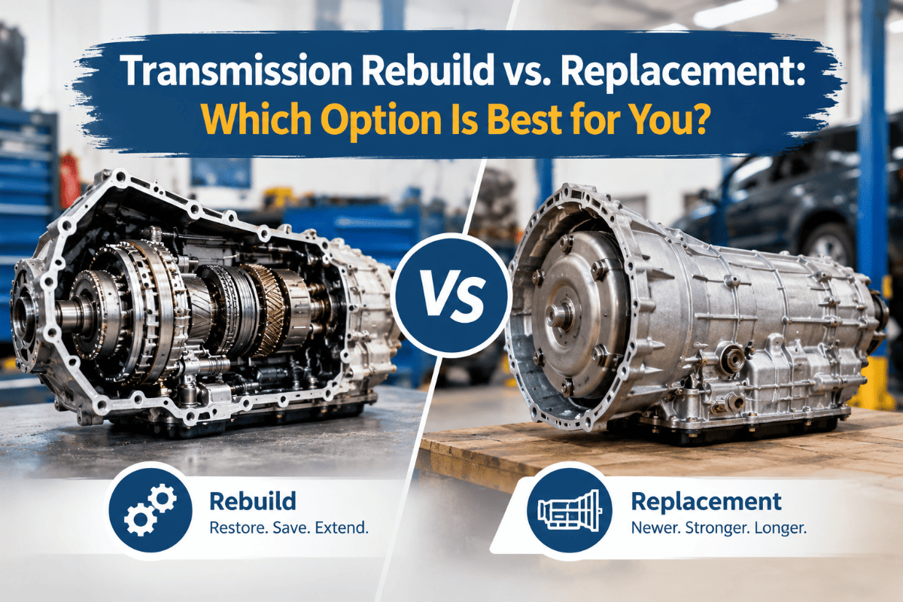
Compare transmission rebuild vs. replacement, including costs, benefits, repair time, and reliability. Get expert transmission service in Portage, MI.

Learn the common signs and causes of radiator problems, explore repair options, and discover when to seek professional help to prevent engine overheating and costly damage.

Learn how to extend the life of your transmission with essential maintenance tips, proper driving habits, and early warning signs to watch for.
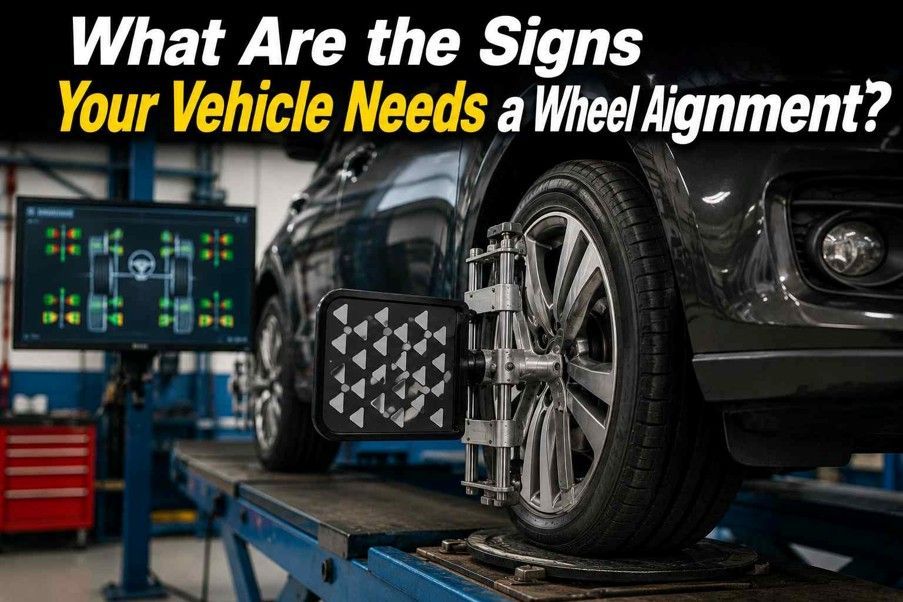
Learn the signs your vehicle needs a wheel alignment, including uneven tire wear, pulling, steering issues, and an off-center steering wheel.