Muffler Man of Portage has proudly served Portage, Kalamazoo, Oshtemo, and nearby Michigan communities since 2002. As a family-owned auto repair shop, the team specializes in mufflers, exhaust systems, brakes, suspension repair, diagnostics, and general automotive services. With certified technicians, advanced diagnostic tools, and a commitment to honest service, Muffler Man of Portage delivers reliable automotive repair solutions backed by years of hands-on industry experience
Road trips are exciting. You pack the car, plan your route, and get ready for adventure. But before you hit the highway, there's one thing you should never skip. Brake inspections before long road trips keep you and your passengers safe. A quick check today can prevent a scary breakdown tomorrow. Let's look at why this step matters and how to get your car ready.
Why Brake Inspections Matter Before Long Road Trips?
Your brakes are the most important safety system in your car. They are what stop you from a crash. Long drives make your brakes work harder than usual. Hills, heavy traffic, and extra luggage all add stress.
That's why brake inspections matter before long road trips. A worn brake pad might feel fine around town. But on a steep hill or fast highway, that same pad can fail. Catching problems early means safer stops. It also gives you peace of mind for the miles ahead.
What Happens During a Professional Brake Inspection?
Many drivers wonder what happens during a professional brake inspection. It's simpler than you might think. A trained technician checks every part of your braking system, not just the pads. Here's what a typical check includes:
● Brake pads: Technicians measure pad thickness to see how much life is left.
● Rotors: They look for grooves, warping, or uneven wear.
● Brake fluid: Low or dirty fluid can affect stopping power.
● Brake lines: Cracks or leaks in the lines are a serious safety risk.
● Calipers: These need to grip evenly for smooth, balanced stops.
A good brake inspection service takes about 30 to 45 minutes. The technician will explain any issues in plain language, so you know exactly what your car needs before you leave town.
Signs Your Brakes Need Immediate Attention
You don't always need a mechanic to tell you something is wrong. Your car often gives warning signs first. Learning these signs your brakes need immediate attention can help you act fast. Watch and listen for these clues:
● A squealing or grinding noise when you brake
● Your car pulling to one side while stopping
● A soft or spongy brake pedal
● Vibration or shaking when you press the brakes
● A burning smell after driving downhill
● The brake warning light on your dashboard
If you notice any of these, don't wait. Small problems can turn into big repairs, especially on a long trip far from home.
Recent Blog : Muffler vs. Exhaust: What's the Difference?
How Often Should You Check Your Brakes?
Most drivers should have their brakes checked every 6 months or 6,000 miles. This matches most oil change schedules, so it's easy to remember. Brake pads usually last between 25,000 and 65,000 miles. The exact number depends on your driving style and vehicle type.
If you drive in stop-and-go traffic often, your pads may wear faster. Long road trips add extra strain too, especially with luggage or extra passengers. That's why a check before you leave is smart, even if your last one was recent.
Pre-Trip Vehicle Inspection Checklist
A full pre-trip vehicle inspection checklist covers more than just brakes, but braking safety should always be at the top of your list.
| Item | What to Check |
|---|---|
| Brake pads | Thickness and even wear |
| Brake fluid | Level and color |
| Rotors | Smooth surface, no deep grooves |
| Tires | Tread depth and air pressure |
| Lights | Headlights, brake lights, turn signals |
| Fluids | Oil, coolant, and washer fluid levels |
| Battery | Terminals clean, charge holding steady |
Running through this list before a long drive takes less than an hour. It's a small investment that can save you from a roadside emergency later.
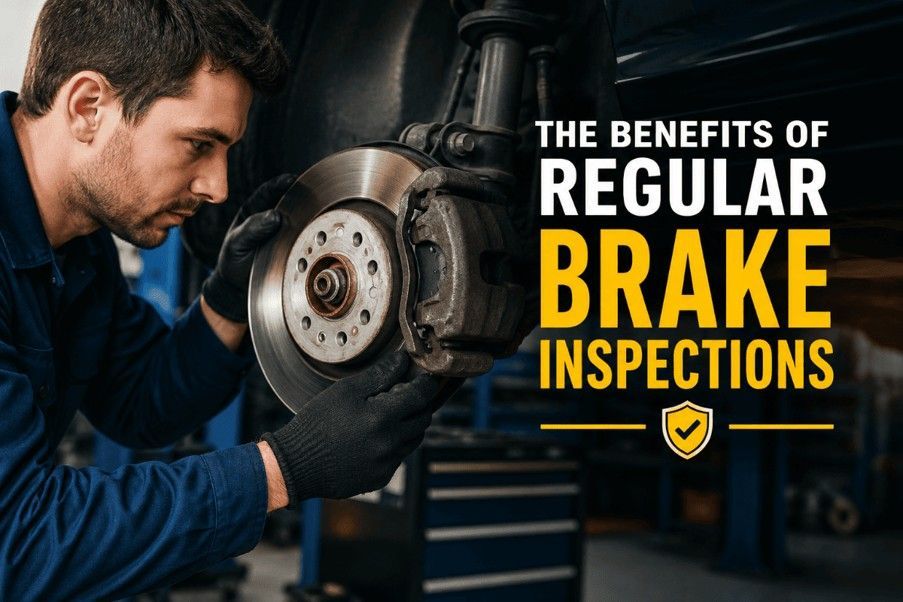
Benefits of Regular Brake Inspections
The benefits of regular brake inspections go beyond just safety, though that's the biggest one. Regular checks also help your wallet and your car's overall health. Here's what you gain:
● Safer stops: Reliable brakes mean shorter stopping distances in emergencies.
● Lower repair costs: Catching small issues early prevents expensive damage to rotors or calipers.
● Better resale value: A well-maintained car holds its value longer.
● Confidence on the road: Knowing your brakes are solid lets you focus on enjoying the trip.
Think of it like a health checkup for your car. A little attention now prevents bigger problems later.
Must Read: What Causes Exhaust Leaks in Vehicles and How to Fix Them?
Choosing Certified Auto Repair Specialists
Not all repair shops offer the same quality of care. Look for certified auto repair specialists who are trained on your vehicle's brake system. Certification means the technician has passed tests to prove their skills.
Ask if the shop uses quality parts, not just the cheapest option. A trustworthy brake repair shop will give you a clear estimate before starting work. Good communication matters just as much as technical skill.
Ready for the Road? Let's Get Your Brakes Checked
Before you load up the car and head out, give your brakes the attention they deserve. We always tell our clients the same thing: don't guess when it comes to your brakes; get them checked by someone you trust. At Muffler Man, our team offers expert brake repair services backed by experienced, certified auto repair specialists who know your safety comes first. Stop by before your next big trip, and drive with confidence knowing your brakes are ready for whatever the road brings.
Frequently Asked Questions
Why should I get my brakes inspected before a long road trip?
Long drives put extra stress on your brakes from hills, traffic, and added weight. An inspection catches wear early, helping you avoid breakdowns and stay safe on unfamiliar roads.
What does a brake inspection include?
It includes checking brake pads, rotors, fluid levels, brake lines, and calipers. A technician looks for wear, leaks, or damage that could affect your stopping power.
How often should brake pads and rotors be inspected?
Most experts recommend checking brakes every 6 months or 6,000 miles. Pads typically last 25,000 to 65,000 miles, depending on driving habits and conditions.
What are the warning signs that my brakes need repair?
Squealing noises, a soft pedal, pulling to one side, or vibration while braking are common warning signs. A dashboard warning light is also a clear signal to get checked.
Can worn brakes make long-distance driving unsafe?
Yes. Worn brakes take longer to stop your car, especially at highway speeds or on hills. This raises your risk of accidents during long trips.

Compare engine repair vs. replacement, including costs, warning signs, benefits, and timelines. Get expert engine diagnostics at Muffler Man of Portage.
Get essential fall car maintenance tips to prepare for Michigan winter. Check your battery, tires, brakes, fluids, and more with this simple checklist.
Learn about different engine oil types, their benefits, and how to choose the right oil for your car to protect your engine and improve performance.
Discover the benefits of regular brake inspections, from safer stops to lower repair costs. Schedule a professional brake inspection in Portage, MI, today.
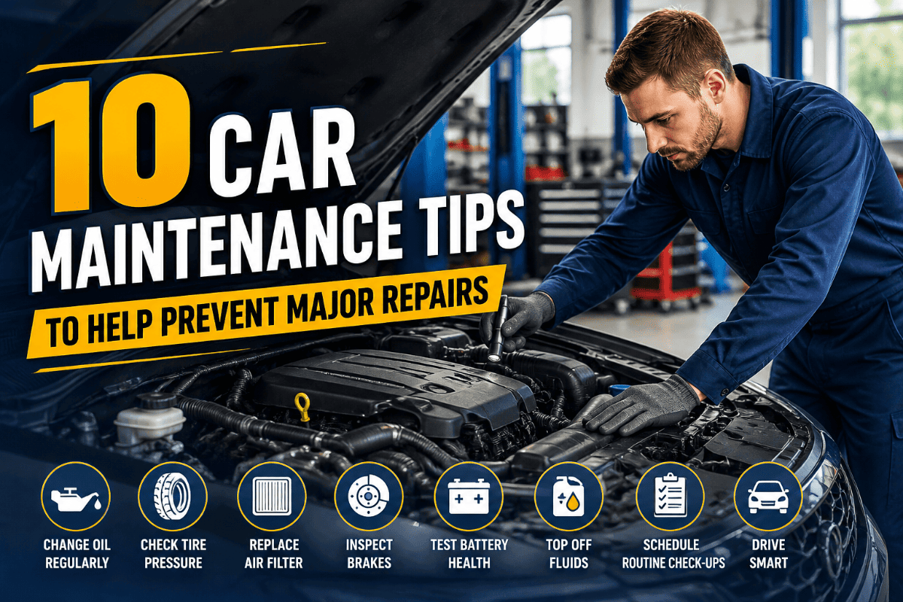
Follow these 10 car maintenance tips to prevent major repairs, improve vehicle safety, and save money with regular auto maintenance in Portage, MI.
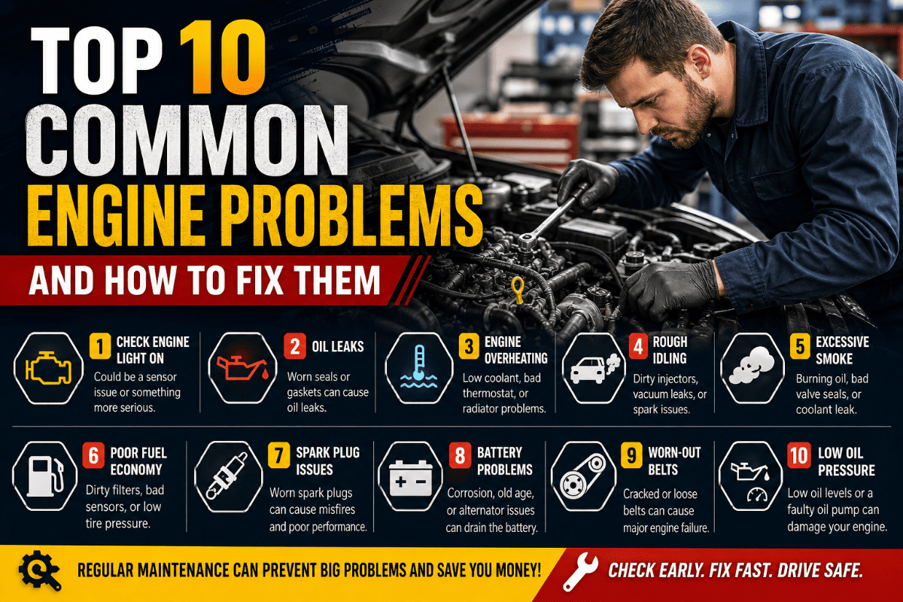
Discover 10 common engine problems, their warning signs, and practical fixes. Learn when to seek professional engine diagnostics to prevent costly repairs.
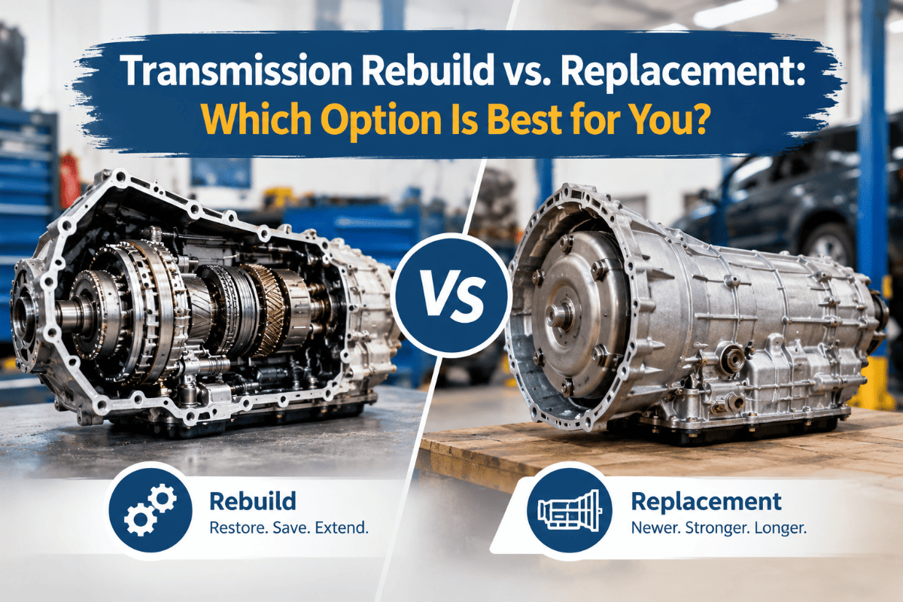
Compare transmission rebuild vs. replacement, including costs, benefits, repair time, and reliability. Get expert transmission service in Portage, MI.

Learn the common signs and causes of radiator problems, explore repair options, and discover when to seek professional help to prevent engine overheating and costly damage.

Learn how to extend the life of your transmission with essential maintenance tips, proper driving habits, and early warning signs to watch for.
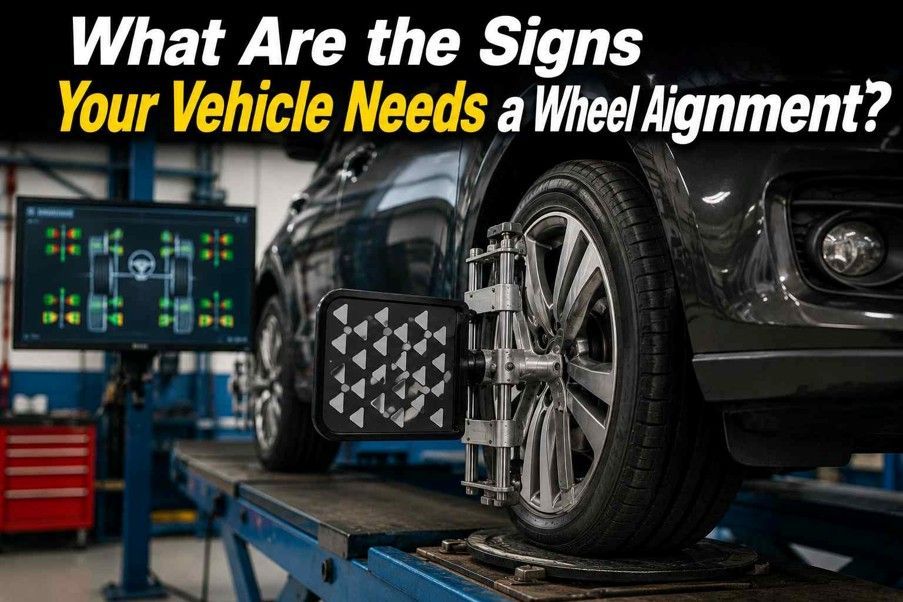
Learn the signs your vehicle needs a wheel alignment, including uneven tire wear, pulling, steering issues, and an off-center steering wheel.