Muffler Man of Portage has proudly served Portage, Kalamazoo, Oshtemo, and nearby Michigan communities since 2002. As a family-owned auto repair shop, the team specializes in mufflers, exhaust systems, brakes, suspension repair, diagnostics, and general automotive services. With certified technicians, advanced diagnostic tools, and a commitment to honest service, Muffler Man of Portage delivers reliable automotive repair solutions backed by years of hands-on industry experience
Your car makes a new noise on the drive to work. It's louder, a little rattly, almost like a growl under the hood. Before you crank up the radio to drown it out, that sound could be trying to tell you something important. Car exhaust leak repair is one of those jobs people put off, but a leak rarely fixes itself. It usually gets worse, and it can put your health and your wallet at risk. Let's walk through what's really going on under your car and how to handle it.
What Is an Exhaust Leak?
An exhaust leak happens when gases escape from your exhaust system before they reach the tailpipe. Your exhaust system carries hot gases away from the engine. It runs from the exhaust manifold, through pipes, past the catalytic converter, and out through the muffler. Each piece is connected by joints, gaskets, or welds. When any of these connections fail, gas finds a way out early.
That escaping gas doesn't just make noise. It can throw off your engine's performance and let harmful fumes drift toward the cabin. Knowing what an exhaust leak is helps you catch it early, before small cracks turn into expensive repairs.
Recent Blog: What Happens During an Engine Diagnostic?
What Causes Exhaust Leaks in Vehicles?
Several everyday issues can cause an exhaust leak, and most develop gradually over time.
● Rust and corrosion: Michigan winters expose your vehicle to road salt, which speeds up corrosion on metal exhaust pipes. Over time, rust creates weak spots that eventually crack.
● Worn-out gaskets: Gaskets seal the connections between exhaust components. Years of heat and cooling cycles cause them to dry out, shrink, and crack, allowing exhaust gases to escape.
● Road damage: Potholes, speed bumps, curbs, and rough roads can dent or crack exhaust pipes or break welds. Even a minor collision can shift the exhaust system enough to create a leak.
● Broken or loose hangers: Exhaust hangers support the system underneath your vehicle. When they wear out or break, the exhaust can sag, vibrate, and rub against other components, leading to cracks and metal fatigue.
Regular inspections can catch these problems early before a small exhaust leak turns into a more expensive repair.
Signs of an Exhaust Leak
Your car usually gives you a warning before things get worse. Here are common signs of an exhaust leak to watch for:
● A hissing, popping, or tapping sound, especially right after you start the engine
● A louder, rougher exhaust note than usual
● Vibration through the gas pedal or steering wheel while accelerating
● A strong smell of exhaust inside or around the vehicle
● The Check Engine Light turning on
● Reduced gas mileage or sluggish acceleration
If you notice more than one of these at the same time, it's a good bet the exhaust system needs a closer look.
Why an Exhaust Leak Deserves Quick Attention?
It's easy to shrug off a little extra noise. But an exhaust leak affects more than your ears. Toxic gases like carbon monoxide can seep into the cabin through a leak near the front of the system. This gas has no color and no smell, and it can cause headaches, dizziness, or nausea before you even realize what's happening. Cracking a window helps a little, but it isn't a fix.
Your engine also loses efficiency. Oxygen sensors read the gases exiting the engine to fine-tune the fuel mixture. A leak throws off those readings, so the engine may burn more fuel than it needs. Over time, this strain can damage the catalytic converter, which is one of the most expensive parts to replace.
Then there's exhaust repair before emissions testing. Most states check for leaks and excess pollution during inspection. A leaking exhaust often means higher emissions, which can lead to a failed test, a fine, or trouble renewing your registration.
How to Fix an Exhaust Leak?
Once you understand how to fix an exhaust leak, the repair itself follows a fairly clear path.
Step 1: Find the source
A mechanic checks the manifold, joints, and pipe sections for cracks, rust holes, or loose connections. Some shops use smoke testing to pinpoint the exact spot.
Step 2: Inspect the gaskets and hangers
Worn gaskets get replaced, and loose hangers get reattached so pipes aren't sagging or rubbing.
Step 3: Clean and prep the area
Rust and old gasket material get scraped away so the new parts seal properly.
Step 4: Replace damaged parts
Depending on where the leak is, this could mean a new gasket, a patched section of pipe, or a full muffler or catalytic converter swap.
Step 5: Test the repair
The engine runs while the technician listens and checks for any remaining leaks before sending the car back on the road.
Small cracks near the tailpipe sometimes get a temporary patch with exhaust tape or epoxy. This buys a little time, but it's not a permanent solution, especially for leaks closer to the engine where heat and pressure are highest.
When to Get a Professional Exhaust System Inspection?
DIY fixes can work for very minor issues, but exhaust systems sit close to fuel lines, sensors, and heat shields. A small mistake can create a bigger safety problem. A professional exhaust system inspection uses the right lift, tools, and testing equipment to find leaks that are easy to miss from underneath a car in your driveway.
If your vehicle is due for emissions testing soon, or if you've noticed more than one warning sign, it's worth having it checked before the noise turns into a bigger repair bill.
Must Read: Top Warning Signs of a Dying Car Battery
Get It Fixed Before It Gets Worse
We know how tempting it is to turn up the radio and ignore that new rattle. But exhaust leaks rarely stay small, and they can affect your safety, your fuel costs, and your next emissions test. If you're hearing unusual noises or smelling exhaust fumes, don't wait it out. Our team at Muffler Man is made up of certified auto repair experts who diagnose the problem fast and fix it right the first time. As a trusted auto exhaust repair shop in Portage, we're ready to get your car back to running quiet and clean. Stop by or schedule an appointment, and let's take care of it together.
Frequently Asked Questions
What are the most common causes of an exhaust leak?
Rust from road salt, worn-out gaskets, and physical damage from potholes or debris are the top causes. Loose hangers can also let pipes rub and wear thin over time.
Can I drive my vehicle with an exhaust leak?
Short trips are usually okay, but it's risky long term. Fumes can seep into the cabin, and the leak often gets worse the longer you wait to fix it.
How do I know if my exhaust manifold is leaking?
Listen for a ticking or hissing sound near the engine, especially at startup. You may also notice a burning smell or a Check Engine Light coming on.
How much does it cost to repair an exhaust leak?
Cost depends on where the leak is and what's damaged. A gasket repair costs less, while replacing a muffler or catalytic converter runs higher.
Can an exhaust leak cause the check engine light to come on?
Yes. A leak can throw off oxygen sensor readings, which triggers the Check Engine Light as the system detects an incorrect air-fuel mixture.

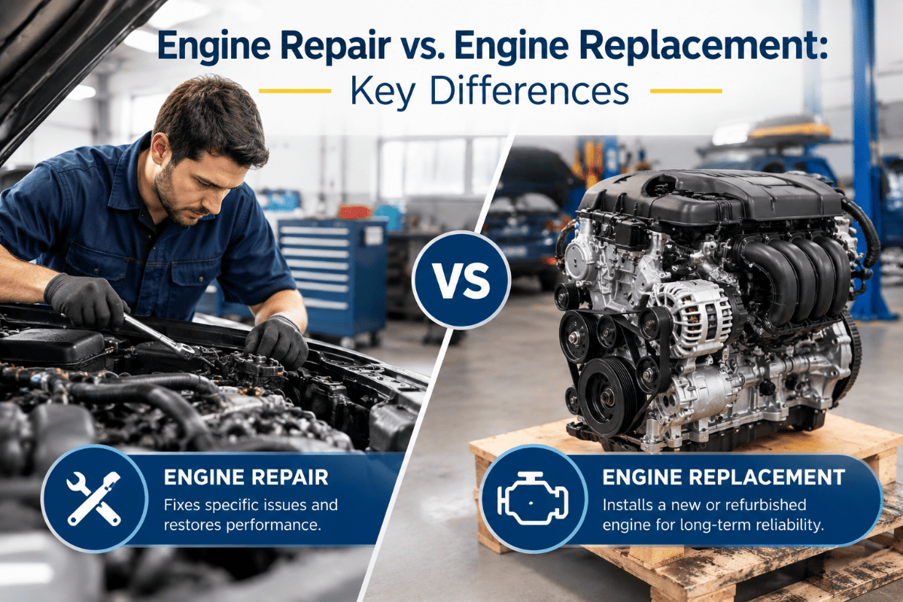
Compare engine repair vs. replacement, including costs, warning signs, benefits, and timelines. Get expert engine diagnostics at Muffler Man of Portage.
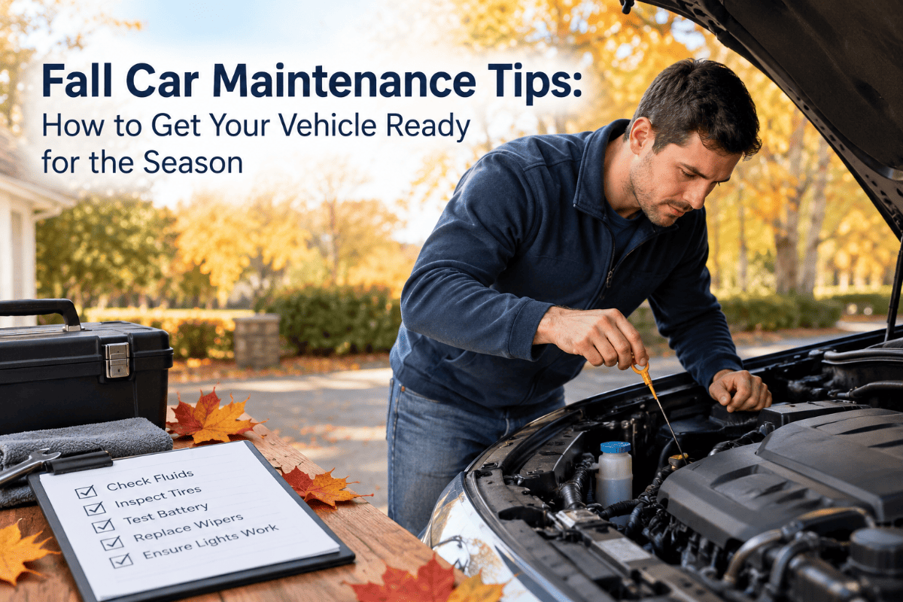
Get essential fall car maintenance tips to prepare for Michigan winter. Check your battery, tires, brakes, fluids, and more with this simple checklist.

Learn about different engine oil types, their benefits, and how to choose the right oil for your car to protect your engine and improve performance.
Discover the benefits of regular brake inspections, from safer stops to lower repair costs. Schedule a professional brake inspection in Portage, MI, today.

Follow these 10 car maintenance tips to prevent major repairs, improve vehicle safety, and save money with regular auto maintenance in Portage, MI.
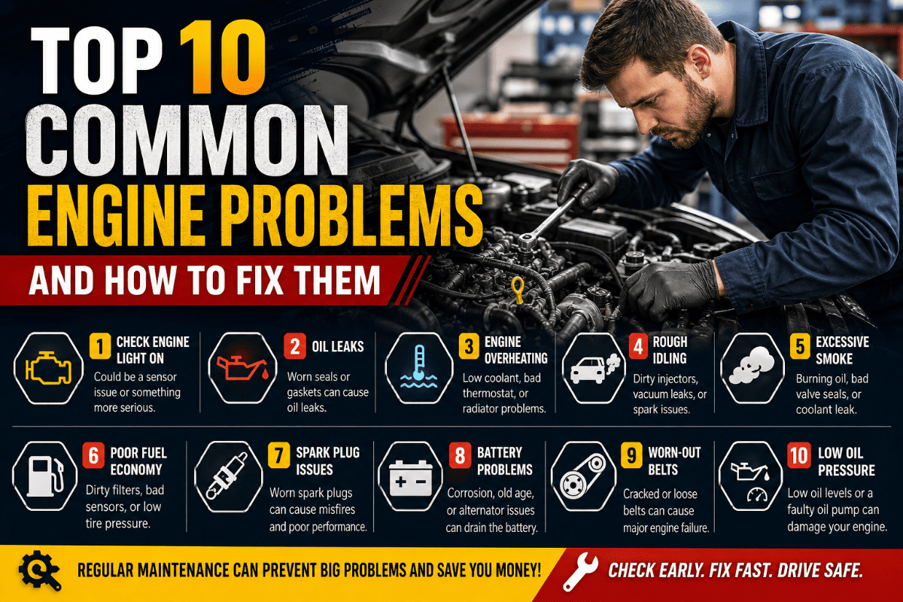
Discover 10 common engine problems, their warning signs, and practical fixes. Learn when to seek professional engine diagnostics to prevent costly repairs.
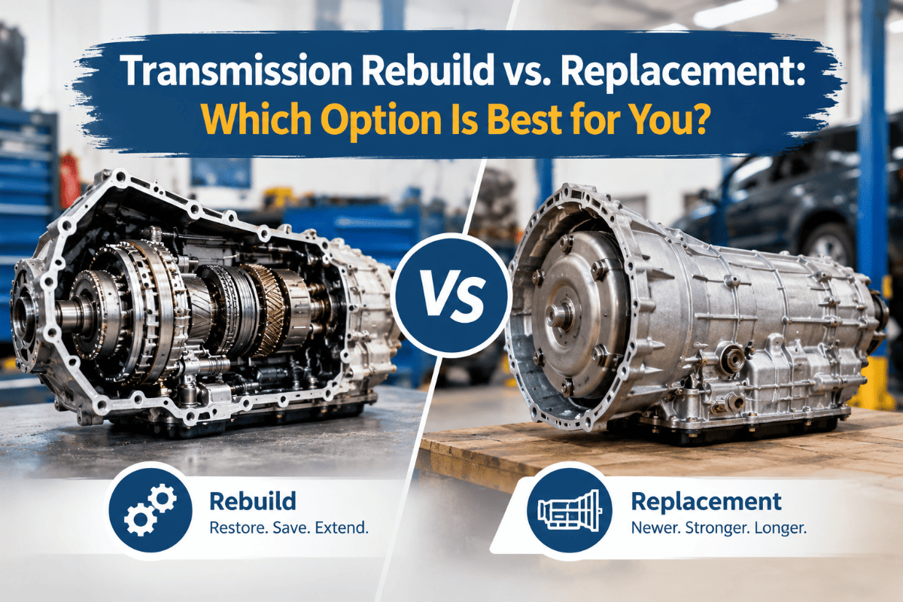
Compare transmission rebuild vs. replacement, including costs, benefits, repair time, and reliability. Get expert transmission service in Portage, MI.

Learn the common signs and causes of radiator problems, explore repair options, and discover when to seek professional help to prevent engine overheating and costly damage.

Learn how to extend the life of your transmission with essential maintenance tips, proper driving habits, and early warning signs to watch for.

Learn the signs your vehicle needs a wheel alignment, including uneven tire wear, pulling, steering issues, and an off-center steering wheel.