Muffler Man of Portage has proudly served Portage, Kalamazoo, Oshtemo, and nearby Michigan communities since 2002. As a family-owned auto repair shop, the team specializes in mufflers, exhaust systems, brakes, suspension repair, diagnostics, and general automotive services. With certified technicians, advanced diagnostic tools, and a commitment to honest service, Muffler Man of Portage delivers reliable automotive repair solutions backed by years of hands-on industry experience
A slow start in the morning is not just bad luck. It is often the first of several warning signs of a dying car battery. A weak battery struggles to hold a charge, and this affects how your engine starts and how your electronics run. A vehicle battery inspection catches the problem early and saves you from a costly breakdown. Common symptoms include slow cranking, dim headlights, and a battery light on your dashboard. A trained technician can tell you if the real issue is the battery, the alternator, or the starter.
Key Takeaways
● A dying battery rarely fails without warning. Slow cranking, dim lights, and a battery light usually show up first.
● The battery, alternator, and starter share similar symptoms, so a proper diagnosis beats guessing at a replacement.
● Corrosion, loose cables, and extreme heat or cold speed up failure, even in a battery that is not old yet.
● Test your battery every six to twelve months, and always before a long trip.
● Ignoring early signs risks alternator damage and a roadside breakdown that costs more than an inspection.
What Is a Dying Car Battery?
Your car battery stores electrical power. It sends a burst of that power to the starter motor to turn the engine on. Once running, the battery keeps voltage steady for your lights, radio, and other electronics. A healthy battery handles both jobs quietly. A dying one struggles with one, or both.
Common Causes of Battery Failure
● Battery age: Most batteries weaken after three to five years, even with good care.
● Extreme heat or cold: Heat speeds up corrosion. Cold makes the engine harder to start.
● Corroded terminals: Buildup blocks the connection, even on a good battery.
● A faulty alternator: A battery that is not being recharged will drain no matter how new it is.
● Loose cables: A loose connection cuts power and can mimic battery failure.
● Short trips: They do not give the alternator time to fully recharge the battery.
● Electrical drains: Lights or accessories left on can drain the battery overnight.
Recent Blog: Top 10 Signs Your Car's Brake System Needs Attention
Parts Connected to Battery Performance
● Alternator: Recharges the battery while you drive.
● Starter motor: Pulls a big burst of power to turn the engine over.
● Charging system: The full network that keeps the battery charged.
● Battery terminals: Where corrosion most often blocks power.
● Wiring: Carries power through the car and can drain a good battery if damaged.
● Voltage regulator: Keeps charging voltage steady.
Why Car Battery Health Matters?
A healthy battery keeps your car dependable. It powers engine start and every electrical system you use. When it weakens, that reliability disappears fast, often at the worst time.
Problems a Weak Battery Can Cause
● Slow engine cranking: The starter is not getting enough power.
● An engine that will not start: Voltage has dropped too low.
● Dim headlights: The electrical system is not getting steady voltage.
● Failing accessories: Power windows or seat adjusters slow down or stop.
● Lower fuel efficiency: The engine works harder to make up for it.
● Dashboard warning lights: An early signal of a charging problem.
● Extra strain on the alternator: It has to work overtime to keep up.
Early Signs Drivers Should Never Ignore
● A clicking sound at startup — the starter is not getting enough power.
● Flickering interior lights — a sign the voltage supply is unstable.
● A battery warning light — your dashboard's signal to get it checked.
● Corrosion on the terminals — it blocks the connection and can mimic a dead battery.
● A swollen battery case — usually means the battery overheated inside.
● A burning smell — can point to overheated wires or a battery under strain.
● Repeated jump starts — a sign the battery cannot hold a charge on its own.
Signs Your Car Battery May Be Failing
These are the most common symptoms of a bad car battery.
1. Slow Engine Crank
Your engine takes an extra second or two to catch. Cold weather makes it worse. If it happens on a warm day too, the battery is likely near failure.
2. Engine Won't Start
The engine stays silent, or you hear just one click. The battery cannot power the starter at all. This is a clear sign you need a car battery replacement.
3. Dim Headlights
Headlights look weaker than usual, especially while idling. If they brighten when you rev the engine, the battery is not supplying steady power on its own.
4. Battery Warning Light
Most dashboards show a battery-shaped icon when the charging system misfires. This does not always mean the battery is bad. It can also point to a failing alternator, so get it checked.
5. Electrical Accessories Malfunction
Slow power windows, a resetting radio, or laggy seat controls point to inconsistent power. These glitches often show up weeks before a full failure.
6. Clicking Noise
A rapid clicking sound means the starter is trying to engage without enough current. This is a strong sign the battery is nearly out of charge.
7. Corroded Battery Terminals
Buildup on the terminal blocks the connection and can look exactly like a dying battery, even when the battery still has life left. Always check the terminals first.
8. Swollen Battery Case
A bloated case usually means the battery overheated inside. This is a safety issue, and it should be replaced right away.
9. Rotten Egg Smell
A sulfur smell near the battery can mean it is leaking or damaged inside. Have it checked as soon as you notice it.
10. Frequent Jump Starts
Needing a jump more than once in a short time means the battery is not recharging while you drive. This usually points to a battery near the end of its life.
Battery vs Alternator vs Starter: What's the Difference?
| Component | Primary Function | Common Symptoms |
|---|---|---|
| Battery | Stores electrical power | Slow starting, dead battery |
| Alternator | Recharges the battery while driving | Battery light, dim lights |
| Starter3 | Starts the engine | Clicking sound, no crank |
A proper diagnosis stops you from replacing the wrong part.
Car Battery Maintenance Checklist
Routine care from an auto repair shop catches small issues early.
● Test battery voltage before it fails.
● Clean the terminals to remove corrosion.
● Tighten cable connections for steady power flow.
● Inspect the alternator to confirm proper charging.
● Secure the battery mounting to prevent vibration damage.
● Test before long road trips, when a failure is most inconvenient.
● Replace aging batteries before they fail.
Why You Should Never Ignore Battery Warning Signs?
Early Replacement Pays Off
A weak battery replaced early prevents breakdowns and protects the alternator. It also lowers long-term repair costs.
Ignoring It Gets Expensive
A dead battery can leave you stranded and damage the alternator. Towing costs more than a scheduled inspection.
Why Professional Testing Beats Guessing
A professional test tells you if the problem is the battery or the alternator. It shows battery health in real numbers, so you avoid paying for parts you do not need.
The Risk of DIY Diagnosis
Battery, alternator, and starter symptoms overlap. A home check can lead you to buy the wrong battery and still have the same problem, or miss a hidden alternator issue.
Car Battery Replacement Costs and Maintenance
Factors That Affect Battery Life
● Climate: Heat and cold both wear down a battery faster.
● Driving habits: Short trips prevent a full recharge.
● Battery quality: Higher-grade batteries tend to last longer.
● Electronics use: More accessories mean more demand on the battery.
● Charging system condition: A weak system wears out even a good battery fast.
When Should You Replace Your Battery?
● The battery is older than three to five years.
● It fails a load test.
● You need jump starts often.
● The case looks swollen.
● A test shows low voltage.
How Often Should You Test Your Battery?
Test it before long trips, every six to twelve months, and before winter or summer weather hits. Test it right away if any warning sign appears.
Tips to Keep Your Car Battery Healthy
Watch Your Battery Closely If...
● You mostly drive short distances.
● Your vehicle sits unused for days at a time.
● Your battery is over three years old.
● You run a lot of electronics.
● You live somewhere with extreme heat or cold.
Schedule Professional Service If...
● The warning light stays on.
● Your engine struggles to start.
● Lights dim often.
● You notice any leaking.
● A test shows low voltage.
Before a Long Road Trip
● Test the battery.
● Inspect the alternator.
● Check the charging system.
● Clean the terminals.
● Pack a set of jumper cables, just in case.
Need Professional Car Battery Testing or Replacement?
A weak battery does not fix itself. Fast, accurate battery testing, charging system diagnostics, and alternator inspection show exactly what your car needs. From battery replacement to starter testing, a checkup now can prevent a breakdown later. Muffler Man of Portage offers preventive vehicle inspections and professional auto repair services to keep your car starting strong all year. Schedule your appointment today.
Frequently Asked Questions
How do I know my battery is failing?
Slow starts, dim lights, a clicking sound, or a warning light are early signs worth getting tested.
What is the average lifespan of a car battery?
Most car batteries last three to five years, depending on climate and maintenance.
Can a bad battery keep my car from starting?
Yes. A battery that cannot hold enough charge will not power the starter.
Is it the battery or the alternator?
A weak battery often causes slow starts and dim lights. If it keeps dying after a full charge, the alternator may be the problem.
Should I replace my battery once the warning light turns on?
Get it tested soon. The light can mean a failing battery, a charging issue, or a loose connection.

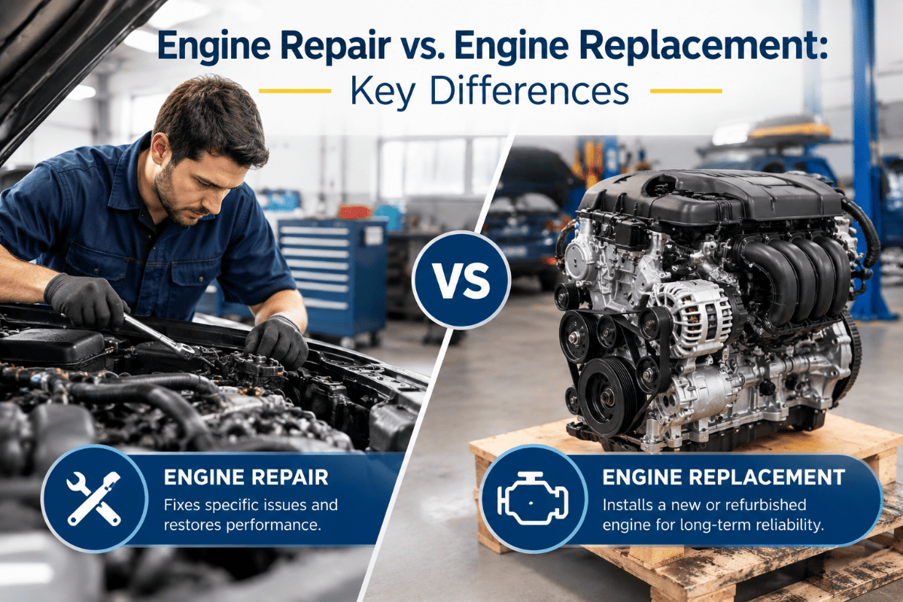
Compare engine repair vs. replacement, including costs, warning signs, benefits, and timelines. Get expert engine diagnostics at Muffler Man of Portage.
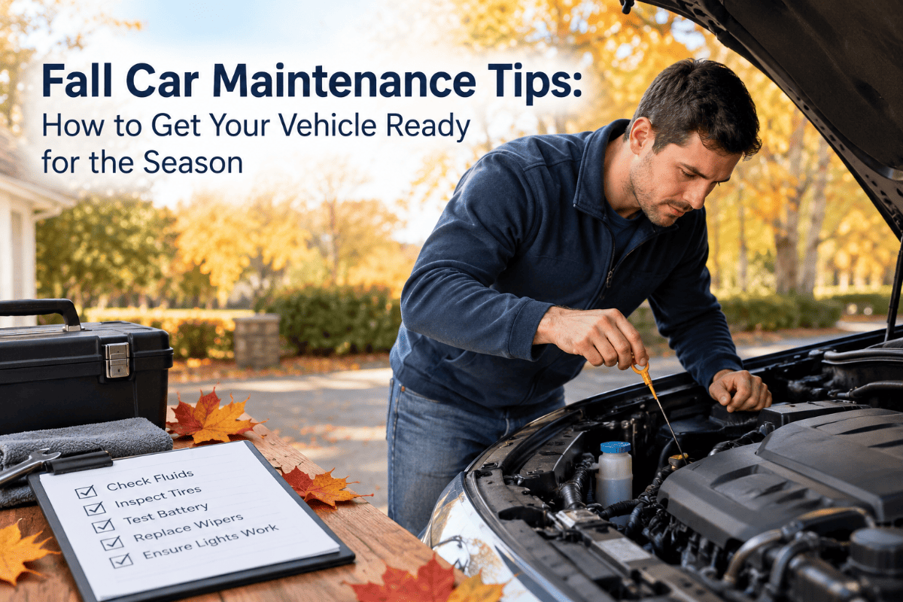
Get essential fall car maintenance tips to prepare for Michigan winter. Check your battery, tires, brakes, fluids, and more with this simple checklist.

Learn about different engine oil types, their benefits, and how to choose the right oil for your car to protect your engine and improve performance.
Discover the benefits of regular brake inspections, from safer stops to lower repair costs. Schedule a professional brake inspection in Portage, MI, today.
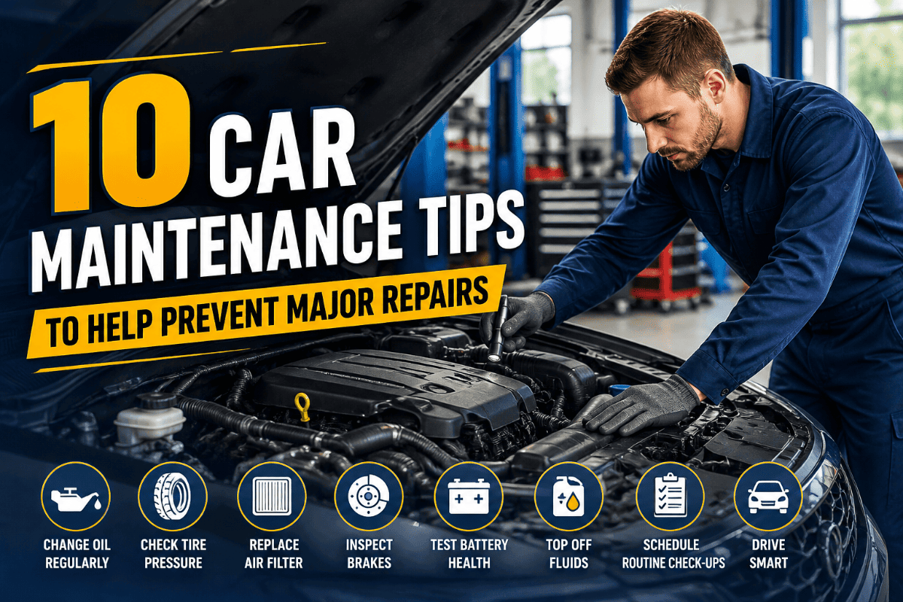
Follow these 10 car maintenance tips to prevent major repairs, improve vehicle safety, and save money with regular auto maintenance in Portage, MI.
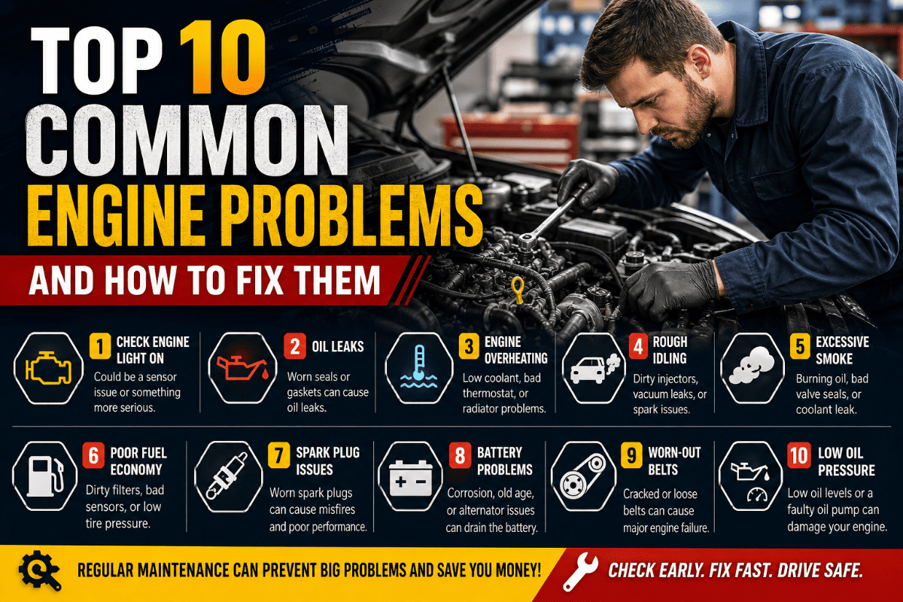
Discover 10 common engine problems, their warning signs, and practical fixes. Learn when to seek professional engine diagnostics to prevent costly repairs.
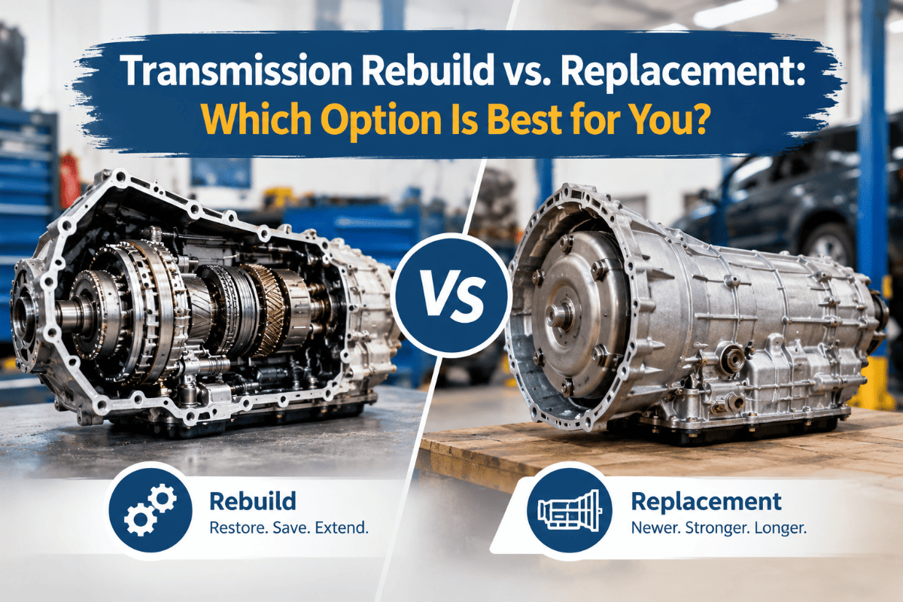
Compare transmission rebuild vs. replacement, including costs, benefits, repair time, and reliability. Get expert transmission service in Portage, MI.

Learn the common signs and causes of radiator problems, explore repair options, and discover when to seek professional help to prevent engine overheating and costly damage.

Learn how to extend the life of your transmission with essential maintenance tips, proper driving habits, and early warning signs to watch for.
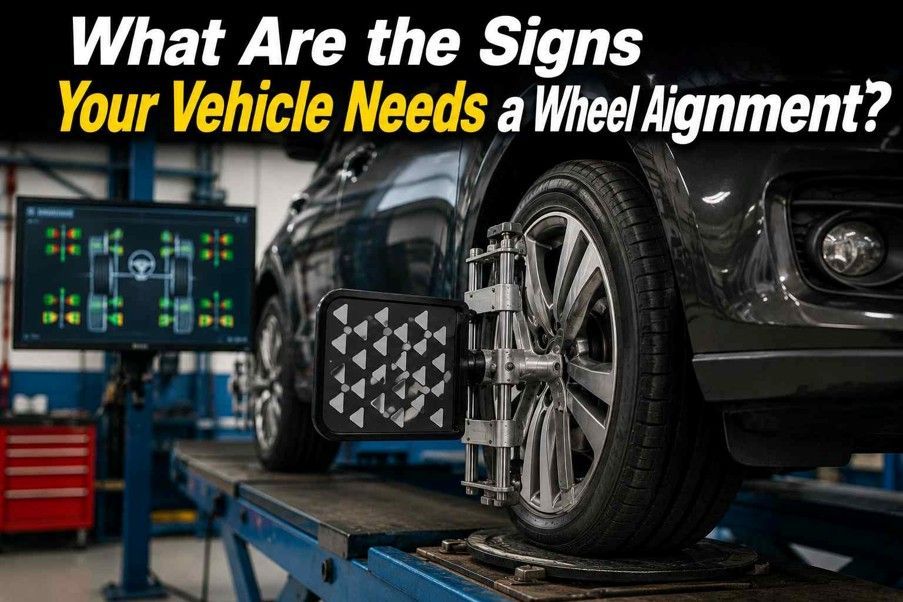
Learn the signs your vehicle needs a wheel alignment, including uneven tire wear, pulling, steering issues, and an off-center steering wheel.