Muffler Man of Portage has proudly served Portage, Kalamazoo, Oshtemo, and nearby Michigan communities since 2002. As a family-owned auto repair shop, the team specializes in mufflers, exhaust systems, brakes, suspension repair, diagnostics, and general automotive services. With certified technicians, advanced diagnostic tools, and a commitment to honest service, Muffler Man of Portage delivers reliable automotive repair solutions backed by years of hands-on industry experience
Your vehicle's brake system is one of the most important safety features on the road. Every time you drive, you rely on your brakes to stop quickly, respond in emergencies, and keep you and your passengers safe. Yet many drivers overlook early warning signs until a minor issue turns into a costly repair or a dangerous situation.
The reality is that most car brake issues do not appear overnight. They develop gradually and provide clear signals that something needs attention. Unusual noises, vibrations, warning lights, changes in pedal feel, and longer stopping distances are all signs of brake problems that should never be ignored.
Understanding these warning signs can help you prevent expensive repairs, maintain reliable stopping power, and avoid unexpected breakdowns. Here are the top 10 signs your brake system needs professional attention.
At a Glance: Top 10 Signs of Brake Problems
| Sign | Severity | Recommended Action |
|---|---|---|
| Squealing brakes | Moderate | Schedule brake inspection |
| Grinding brakes | High | Schedule brake inspection |
| Soft brake pedal | High | Schedule brake inspection |
| Brake pedal sinking to floor | Critical | Stop Driving |
| Brake vibration | Moderate | Schedule brake inspection |
| Pulling while braking | High | Professional diagnosis needed |
| Brake warning light | Moderate to High | Schedule diagnostics |
| Burning smell | Critial | Stop and inspect vehicle |
| Longer stopping distances | High | Immediate brake inspection |
| Brake fluid leak | Critical | Do not continue driving |
How Urgent Is Your Brake Problem?
Not every brake symptom requires immediate towing, but some should never be ignored.
Stop Driving and Seek Immediate Service
- Brake pedal sinks to the floor
- Complete loss of braking pressure
- Smoke coming from a wheel
- Strong burning smell after braking
- Vehicle pulls sharply during braking
- Visible brake fluid leak
Schedule Service as Soon as Possible
- Grinding noises when braking
- Soft or spongy brake pedal
- Persistent brake warning light
- Significant steering wheel vibration
- Noticeably longer stopping distances
Monitor Closely and Schedule an Inspection
- New squealing noises
- Minor vibrations during braking
- Slight decrease in braking performance
- Visible brake pad wear
Recent Blog:
Tire Repair vs. Tire Replacement: Which Is Right?
1. Squealing or Screeching When You Brake
One of the earliest signs of brake problems is a high-pitched squealing sound when applying the brakes.
Most brake pads include built-in wear indicators designed to create this noise when the friction material becomes thin. The sound serves as an early warning that the pads are approaching the end of their lifespan.
Addressing the issue early with a brake pad replacement is usually quick and affordable. Waiting too long can allow additional components to wear prematurely.
2. Grinding Noises During Braking
Grinding sounds often indicate that the brake pads have worn completely through. Once the friction material is gone, the metal backing plate contacts the rotor directly.
This metal-on-metal contact can damage the rotor surface and significantly increase repair costs.
Grinding brakes should always be inspected immediately to avoid more extensive auto brake system repair.
3. Soft or Spongy Brake Pedal
Your brake pedal should feel firm and responsive. If it feels soft, spongy, or requires extra effort to stop the vehicle, there may be a problem with the hydraulic braking system.
Common causes include:
- Air in the brake lines
- Low brake fluid
- Brake fluid contamination
- Hydraulic leaks
- Master cylinder issues
This symptom can reduce braking performance and should be evaluated promptly.
4. Brake Pedal Sinks Toward the Floor
A brake pedal that slowly sinks toward the floor while pressure is applied often signals a serious hydraulic problem.
Potential causes include:
- Internal master cylinder failure
- Significant brake fluid loss
- Hydraulic system leaks
Because this issue can severely impact stopping ability, it should be treated as an emergency.
5. Brake Vibration While Driving
Many drivers ask, what causes brake vibration while driving?
In most cases, vibrations occur when brake rotors become uneven or warped due to repeated heating and cooling cycles. When brake pads contact an uneven rotor surface, the result is a pulsing sensation in the brake pedal or steering wheel.
Common symptoms include:
- Steering wheel shake
- Brake pedal pulsation
- Vibration during moderate or heavy braking
Professional diagnosis can determine whether the rotors need resurfacing or replacement.
6. Vehicle Pulls to One Side During Braking
Your vehicle should stop in a straight line. If it pulls left or right when braking, the braking force is not being distributed evenly.
Common causes include:
- Sticking brake calipers
- Uneven brake pad wear
- Damaged brake hoses
- Contaminated brake components
This issue can affect vehicle control and should be inspected by an experienced technician.
7. Brake Warning Light Remains On
Modern vehicles continuously monitor braking performance and alert drivers when a problem is detected.
A brake warning light may indicate:
- Low brake fluid
- Worn brake pads
- ABS system faults
- Sensor malfunctions
- Hydraulic system problems
Even if the vehicle appears to drive normally, a brake warning light should never be ignored.
8. Burning Smell or Smoke Near a Wheel
A burning odor after driving can indicate excessive heat within the braking system.
This commonly occurs when:
- A brake caliper becomes stuck
- Brake pads drag against the rotor
- Excessive friction creates overheating
In severe situations, visible smoke may appear near the wheel.
If you notice a burning smell, stop driving as soon as it is safe and allow the brakes to cool before seeking professional service.
9. Longer Stopping Distances
One of the most dangerous car brake issues is a gradual increase in stopping distance.
Because the change often happens slowly, many drivers adjust their driving habits without realizing brake performance is deteriorating.
Longer stopping distances may be caused by:
- Worn brake pads
- Damaged rotors
- Brake fluid issues
- Failing calipers
- Hydraulic system problems
If your vehicle no longer stops as confidently as it once did, schedule an inspection immediately.
10. Visible Brake Fluid Leaks or Uneven Brake Wear
Brake fluid is essential for proper braking performance. Any leak in the hydraulic system reduces braking pressure and compromises safety.
Signs of a brake fluid leak include:
- Fluid spots beneath the vehicle
- Low brake fluid levels
- Soft brake pedal
- Dashboard warning lights
Uneven brake pad wear can also indicate problems such as sticking calipers or damaged hardware.
Both conditions require professional diagnosis and repair.
Which Brake Component May Be Causing the Problem?
While only a professional inspection can provide an accurate diagnosis, the chart below offers a helpful starting point.
| Symptom | Possible Cause |
|---|---|
| Squealing brakes | Worn brake pads |
| Grinding noises | Metal-on-metal contact |
| Soft brake pedal | Air in brake lines or hydraulic leak |
| Brake pedal sinks | Master cylinder issue |
| Vibration during braking | Uneven or warped rotors |
| Vehicle pulls while braking | Sticking brake caliper |
| Brake warning light | Low fluid, worn pads, ABS fault |
| Burning smell | Overheated brakes or stuck caliper |
| Longer stopping distances | Worn pads or hydraulic issue |
| Damaged brake line or component |
What Happens If You Ignore Brake Problems?
Brake problems rarely fix themselves. In most cases, they become more expensive and more dangerous over time.
Ignoring brake issues can lead to:
- Rotor damage
- Caliper failure
- Brake fluid leaks
- ABS system damage
- Reduced stopping power
- Complete brake failure
- Higher repair costs
A simple brake pad replacement today can prevent much larger repairs tomorrow.
How Much Can Delaying Brake Repairs Cost?
Many drivers postpone brake service because the vehicle still seems drivable. Unfortunately, small problems often become expensive ones.
For example:
- Early brake pad replacement is typically one of the least expensive brake services.
- Ignoring worn pads can damage rotors and increase repair costs significantly.
- Delayed hydraulic repairs can lead to caliper replacement and more extensive auto brake system repair.
- Severe brake system failures may require multiple component replacements.
Addressing brake concerns early helps protect both your safety and your budget.
When Should You Get a Brake Inspection?
Many drivers ask, when should you get a brake inspection?
Most automotive professionals recommend scheduling a brake inspection:
- At least once per year
- Every 12,000 miles
- Before long road trips
- During tire rotations
- After purchasing a used vehicle
- Whenever unusual brake symptoms appear
Routine inspections help identify wear before it becomes a safety concern.
Must Read: Drum Brakes vs Disc Brakes: Which Is Better?
Why Professional Brake Inspections Matter
Modern braking systems combine hydraulic, mechanical, and electronic components that require specialized knowledge to diagnose properly.
Professional car brake inspection services typically include:
- Brake pad measurements
- Rotor inspections
- Brake fluid testing
- Caliper evaluations
- Brake hose inspections
- ABS diagnostics
- Overall braking performance testing
Working with an experienced auto repair shop ensures hidden problems are identified before they lead to more serious repairs.
Certified brake technicians have the training, tools, and experience needed to diagnose issues accurately and recommend the most effective solutions.
Protect Your Safety with Professional Brake Service
Your brake system works every time you drive. When warning signs appear, acting quickly can prevent more expensive repairs and help keep you safe on the road.
At Muffler Man in Portage, MI, our certified brake technicians provide comprehensive car brake inspection services, brake pad replacement, rotor repairs, and complete auto brake system repair for most makes and models. We use advanced diagnostic equipment to identify brake problems accurately and recommend only the repairs your vehicle actually needs.
Whether you are hearing unusual noises, experiencing vibrations, wondering what causes brake vibration while driving, or simply asking when should you get a brake inspection, our experienced team is here to help.
Call us today at (269) 323-1980 or visit us at 106 East Centre Avenue, Portage, MI 49002 to schedule your brake inspection and drive with confidence.
Frequently Asked Questions
What are the most common signs of brake problems?
Common signs include squealing or grinding noises, brake pedal vibration, pulling during braking, soft brake pedals, warning lights, burning smells, and longer stopping distances.
Why are my brakes making a grinding noise?
Grinding typically means the brake pads have worn completely, allowing the metal backing plate to contact the rotor. Immediate service is recommended.
What causes brake vibration while driving?
Brake vibration is most commonly caused by uneven or warped rotors, though suspension and steering components may occasionally contribute.
How often should brakes be inspected?
Most vehicles should have their brakes inspected at least once a year or every 12,000 miles.
How long do brake pads typically last?
Brake pads generally last between 30,000 and 70,000 miles depending on driving habits, vehicle type, and road conditions.
Can I drive with a brake warning light on?
It is not recommended. Brake warning lights can indicate issues that affect vehicle safety and braking performance.
What causes a soft brake pedal?
Common causes include air in the brake lines, low brake fluid, hydraulic leaks, or master cylinder problems.


Learn the common signs and causes of radiator problems, explore repair options, and discover when to seek professional help to prevent engine overheating and costly damage.

Learn how to extend the life of your transmission with essential maintenance tips, proper driving habits, and early warning signs to watch for.
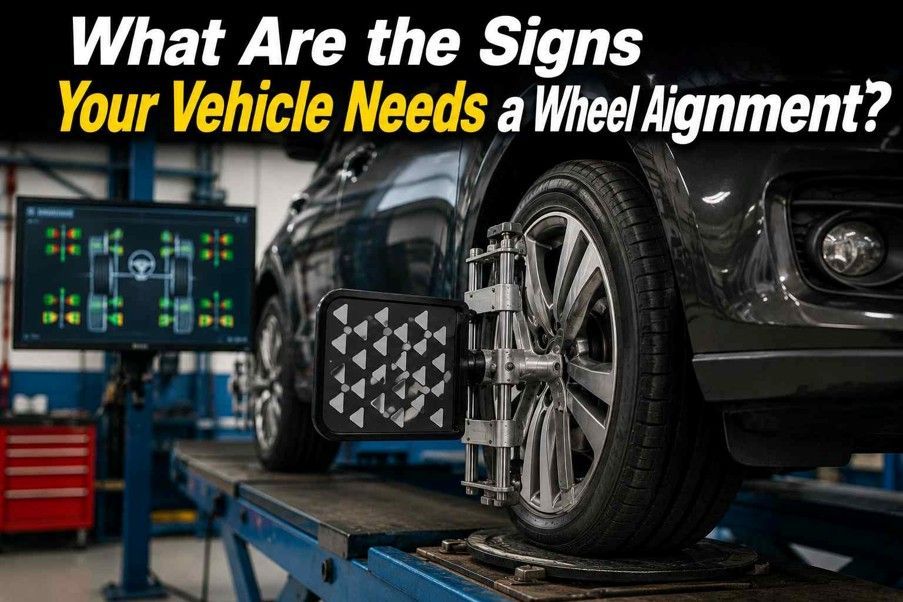
Learn the signs your vehicle needs a wheel alignment, including uneven tire wear, pulling, steering issues, and an off-center steering wheel.
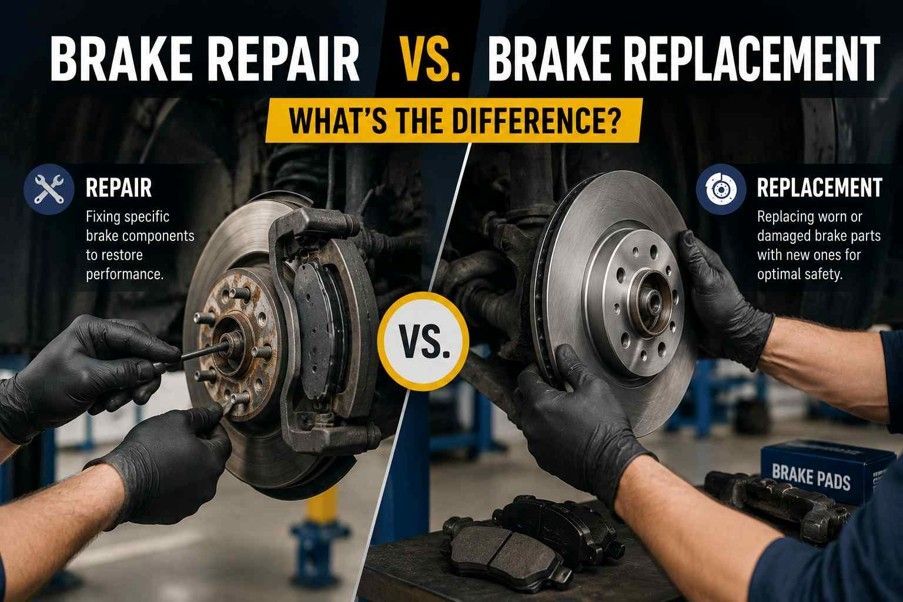
Learn the difference between brake repair and brake replacement, when each option may be needed, and the warning signs that your vehicle's brakes need attention.
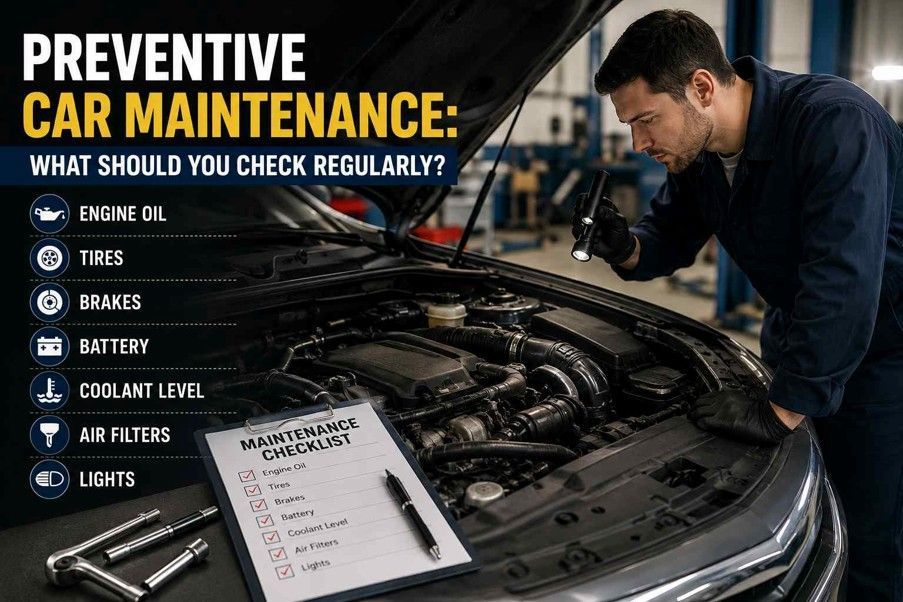
Learn what to check regularly with preventive car maintenance, including fluids, brakes, tires, batteries, and other key components to help avoid costly repairs.
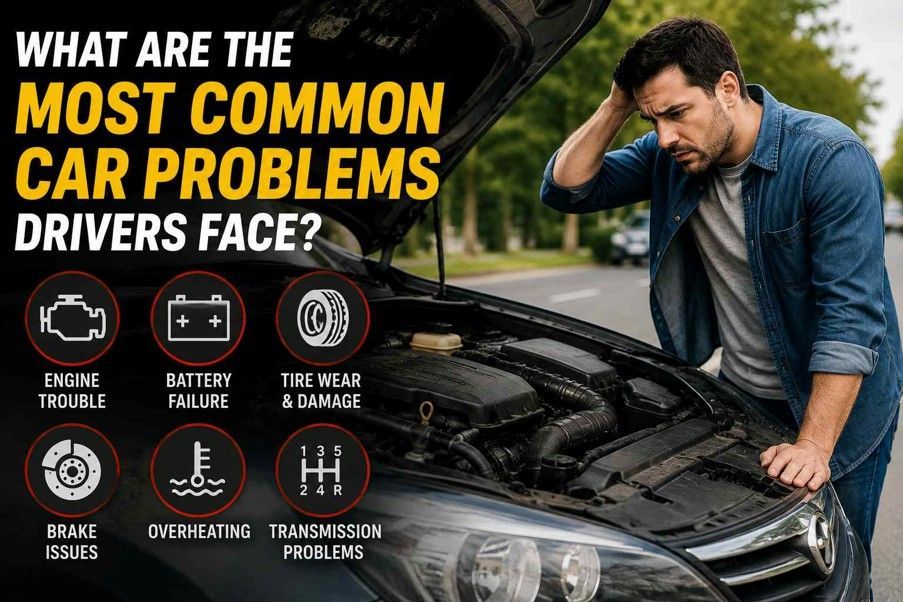
Discover the most common car problems drivers face, from brake and battery issues to engine, tire, and transmission problems, plus signs to watch for.
Why is your car losing power while accelerating? Learn the common causes, warning signs, and when to seek professional auto repair to restore performance.
Learn why your transmission is slipping, common causes, warning signs, repair options, and when to seek professional transmission repair.
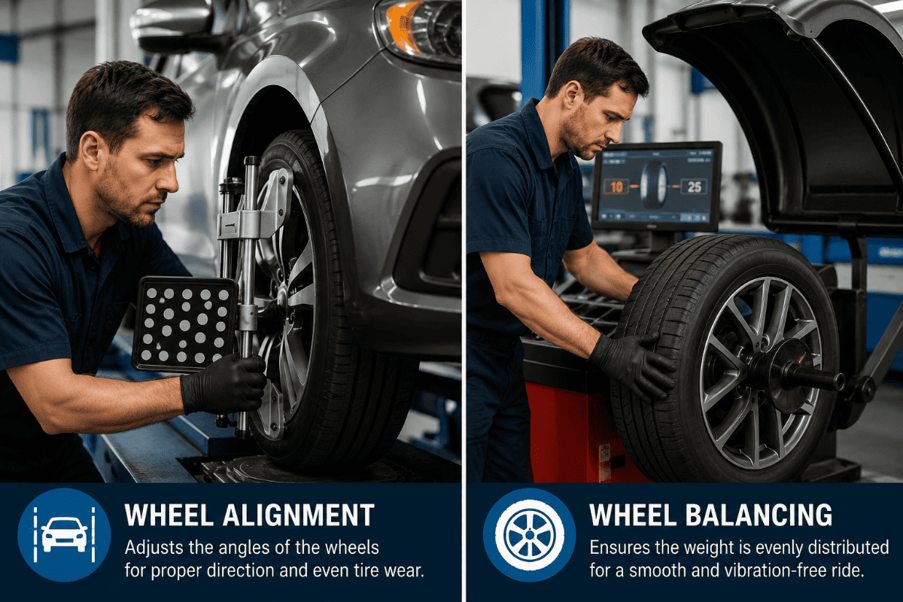
Learn the difference between wheel alignment and wheel balancing, common warning signs, key benefits, and when each service is needed for safer driving.

Learn why brake inspections before long road trips are essential. Discover warning signs, inspection tips, and how to keep your vehicle safe on every drive.