Muffler Man of Portage has proudly served Portage, Kalamazoo, Oshtemo, and nearby Michigan communities since 2002. As a family-owned auto repair shop, the team specializes in mufflers, exhaust systems, brakes, suspension repair, diagnostics, and general automotive services. With certified technicians, advanced diagnostic tools, and a commitment to honest service, Muffler Man of Portage delivers reliable automotive repair solutions backed by years of hands-on industry experience
Drum brakes and disc brakes are two common braking systems used in passenger vehicles, trucks and other vehicles. While both use friction to slow and stop the wheels, their designs, heat management, maintenance requirements and typical applications are different.
For most modern vehicles, disc brakes have advantages during repeated or hard braking because they generally dissipate heat more effectively and are easier to inspect. However, drum brakes can still provide reliable braking performance and are often used on rear axles because they can be economical and integrate well with parking-brake systems.
The better brake system depends on the vehicle's design, driving conditions, braking demands and maintenance requirements. Here's what drivers should know about drum brakes and disc brakes before deciding which system is right for their vehicle.
Drum Brakes vs. Disc Brakes: What's the Difference?
The primary difference is how each system applies friction to the rotating wheel assembly.
A drum brake uses brake shoes that press against the inside of a rotating drum. A disc brake uses brake pads that clamp onto a rotating disc, called a rotor.
Both systems operate through the vehicle's hydraulic braking system. When the driver presses the brake pedal, hydraulic pressure transfers the braking force to the wheel-end components.
The basic difference is simple:
- Drum brakes: Brake shoes press against the inside of a drum.
- Disc brakes: Brake pads clamp against a rotor.
- Both systems: Convert the vehicle's kinetic energy into heat through friction.
The differences become more important when considering repeated braking, heat management, maintenance and the vehicle's intended use.
How Do Drum Brakes Work?
A drum brake contains several components inside or around a brake drum. When the driver presses the brake pedal, hydraulic pressure moves the wheel cylinder pistons. The pistons push the brake shoes outward against the inside surface of the rotating drum.
The resulting friction slows the drum and the wheel attached to it.
Main Drum Brake Components
A typical drum brake system may include:
- Brake drum
- Brake shoes
- Wheel cylinder
- Return springs
- Adjuster mechanism
- Backing plate
- Parking-brake components
- Hydraulic components
One advantage of drum brakes is that many of their components are enclosed within the drum. This design can also make them well suited to certain rear-wheel applications and parking-brake configurations.
How Do Disc Brakes Work?
Disc brakes use a rotor attached to the wheel hub and a caliper positioned around part of the rotor.
When the driver presses the brake pedal, hydraulic pressure causes pistons inside the caliper to push the brake pads against the rotor. The resulting friction slows the rotor and wheel.
Main Disc Brake Components
A typical disc brake assembly includes:
- Brake rotor
- Brake pads
- Brake caliper
- Caliper pistons
- Hydraulic lines
- Brake fluid
- Mounting bracket
- Pad hardware or anti-rattle clips
Because the rotor and pads are exposed to surrounding air, disc brakes can generally release heat more effectively than enclosed drum brakes. This becomes particularly important during repeated or heavy braking.
Why Does Brake Type Matter for Vehicle Safety?
Braking performance is influenced by much more than whether a vehicle uses drums or discs.
Important factors include:
- Tire condition and traction
- Brake component condition
- Vehicle weight
- Brake distribution between the front and rear axles
- Road surface
- Weather conditions
- Brake temperature
- ABS operation
- Driving habits
- Vehicle load
- Maintenance history
For this reason, it is inaccurate to assume that replacing one brake design with another automatically makes every vehicle stop faster.
The vehicle's braking system is engineered as a complete system. Brake components, tires, suspension, ABS and electronic controls all contribute to how the vehicle stops.
Why Are Disc Brakes Commonly Used on Front Wheels?
Many vehicles use disc brakes on the front axle and either disc or drum brakes on the rear axle.
One reason is weight transfer during braking. When a vehicle slows down, its weight shifts toward the front. As a result, the front brakes generally handle a larger share of the braking workload.
Disc brakes can provide advantages where braking loads and heat generation are higher. Their exposed design allows heat to dissipate more readily during repeated braking.
Rear drum brakes can still be appropriate when the vehicle's braking system has been designed for them.
If your vehicle came from the manufacturer with rear drum brakes, that does not mean the braking system is unsafe or outdated. The important consideration is whether the system is operating correctly and meeting the vehicle manufacturer's specifications.
Drum Brakes vs. Disc Brakes: Side-by-Side Comparison
| Factor | Drum Brakes | Disc Brakes |
|---|---|---|
| Basic design | Shoes press inside a drum | Pads clamp a rotor |
| Heat Management | Generally less effective during repeated hard braking | Generally better |
| Inspection | More components are enclosed | Components are easier to visually inspect |
| Replacement cost | Often lower | Often higher |
| Maintenance | Can require more disassembly and adjustment | Generally straightforward to inspect |
| Repeated hard braking | More susceptible to heat-related fade | Generally better suited |
| Parking brake integration | Often convenient | Depends on vehicle design |
| Modern Vehicle Usage | Common on some rear axles | Front & Performance Vehicles |
| Performance | Effective when properly maintained | Strong heat-management advantages |
| Best choice | Depends on vehicle design | Depends on vehicle design |
Brake Maintenance Checklist for Safe Driving
Here is the thing about brake maintenance: it is way cheaper to stay on top of it than to fix something that breaks. Regular checks extend the life of your brake components, improve stopping performance, and keep you out of trouble.
Make this checklist part of your regular car maintenance tips routine:
● Inspect brake pads for thickness and wear
● Check brake shoes for signs of wear or damage
● Measure rotor thickness against minimum specs
● Inspect brake drums for scoring or warping
● Check brake fluid level and condition
● Test brake pedal response and firmness
● Look for fluid leaks around calipers and brake lines
● Book a professional inspection at least once a year
Stay ahead of the curve on this. Your brakes will thank you.
Advantages and Disadvantages of Drum Brakes and Disc Brakes
Every system has its strengths and weak spots. Here is the honest breakdown.
Benefits of Disc Brakes
● Better stopping power at all speeds
● Dissipates heat faster after hard braking
● Handles wet weather much better
● Easy to visually inspect during service
● Resists brake fade during heavy use
● Performs consistently at high speeds
Drawbacks of Disc Brakes
● Costs more to replace than drum brakes
● Pads wear faster under heavy or frequent use
● More exposed to debris and corrosion
● Repairs tend to cost more overall
Benefits of Drum Brakes
● Lower upfront and replacement costs
● Brake shoes last longer than disc pads
● Integrates easily with the parking brake
● Does not need replacement as often
● A solid, cost-effective pick for rear wheels
Drawbacks of Drum Brakes
● Traps heat inside the drum during braking
● More likely to experience brake fade
● Trickier to adjust and maintain
● Struggles in wet or rainy conditions
● Takes longer to stop under hard braking
Brake Repair Costs and Maintenance Requirements
Nobody likes surprise repair bills. Knowing what drives brake repair service costs helps you plan and budget better.
What Affects Brake Repair Costs?
These are the big factors that move the needle on price:
● Vehicle make and model
● Quality of the brake components used
● Condition of the rotors at service time
● Condition of the drums and whether resurfacing is needed
● Labor rates at the repair shop
Which Brake System Requires Less Maintenance?
Both need regular attention. But here is how they differ:
● Disc brake inspections are quick and straightforward
● Pad replacement depends a lot on how hard you drive
● Rotor resurfacing adds cost but makes rotors last longer
● Drum brake adjustments take more steps and know-how
● Shoe replacement intervals are longer than pad intervals
How Often Should Brakes Be Inspected?
Do not wait until something sounds wrong. Get ahead of it.
● Every 10,000 to 15,000 miles as part of routine service
● Before any long road trip
● Any time you notice warning signs like noise or vibration
Must Read: Summer Heat vs Your Vehicle: What Drivers Should Know?
Choosing Between Drum Brakes and Disc Brakes
The right system depends on your driving style and your vehicle. Here is a quick gut-check guide.
Disc Brakes May Be Best If...
● You spend a lot of time in heavy traffic
● You do a lot of highway driving
● You regularly tow or haul heavy loads
● Safety is your top priority
● You drive in wet or rainy conditions often
Drum Brakes May Be Best If...
● You want a budget-friendly rear brake option
● Your vehicle already runs rear drum brakes from the factory
● You mostly drive around town
● Your driving needs are light and low-stress
● You want to keep replacement costs down
Get a Professional Brake Inspection If...
● Your stopping performance has dropped off
● You hear grinding, squealing, or clicking noises
● The brake warning light has switched on
● Your car pulls to one side when you stop
● You spot brake fluid leaking under the vehicle
A quick check by certified auto repair mechanics gives you the full picture fast. No guessing, no stress.
Need Professional Brake Inspection or Repair Services?
Hearing a squeal? Feeling a wobble? Do not push your luck. Muffler Man in Portage, MI, handles it all: brake inspections, disc brake repair, drum brake service, brake pad replacement, brake shoe replacement, rotor resurfacing, brake fluid service, and complete brake repair system diagnostics. Their certified auto repair mechanics serve drivers across Portage, Kalamazoo, and Vicksburg, MI. Book your appointment today and hit the road knowing your brakes have got you covered.
Frequently Asked Questions
Which is better, drum brakes or disc brakes?
Disc brakes are the better performer overall. They stop faster, handle heat better, and work well in wet conditions. Drum brakes are the smarter pick when cost is the priority, especially for rear wheels.
Why do modern vehicles use disc brakes?
Disc brakes handle heat better and resist brake fade. They also pair well with anti-lock braking systems. That combination makes them the go-to choice for front wheels on modern vehicles.
Are drum brakes still safe?
Yes, drum brakes are still safe for everyday driving. They meet current safety standards for normal road conditions. Where they struggle is during heavy or repeated braking, when heat buildup starts to reduce their grip.
Do disc brakes last longer than drum brakes?
Disc rotors generally outlast drum assemblies. But drum brake shoes tend to outlast disc brake pads because they take on less friction per stop. It really depends on what part of the system you are comparing.
Which brake system is cheaper to maintain?
Drum brakes cost less upfront and shoes last longer than pads. But drum adjustments are more involved. Over time, the total cost difference between the two systems tends to level out.
Can drum brakes be converted to disc brakes?
Yes, conversion kits exist for a lot of vehicles. But it is not a quick swap. You need the right parts matched to your specific vehicle. Leave this one to the certified auto repair mechanics rather than going the DIY route.
Why do many cars use disc brakes in front and drum brakes in the rear?
The front wheels take on most of the braking load during a stop. So disc brakes handle the heavy lifting up front. Drum brakes in the rear keep costs down without putting safety at risk.


Learn the common signs and causes of radiator problems, explore repair options, and discover when to seek professional help to prevent engine overheating and costly damage.

Learn how to extend the life of your transmission with essential maintenance tips, proper driving habits, and early warning signs to watch for.
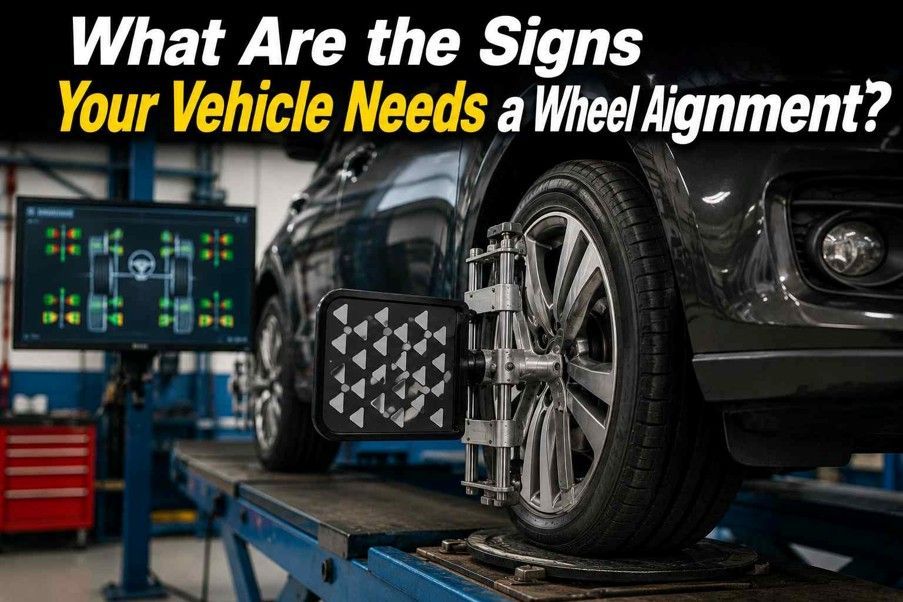
Learn the signs your vehicle needs a wheel alignment, including uneven tire wear, pulling, steering issues, and an off-center steering wheel.
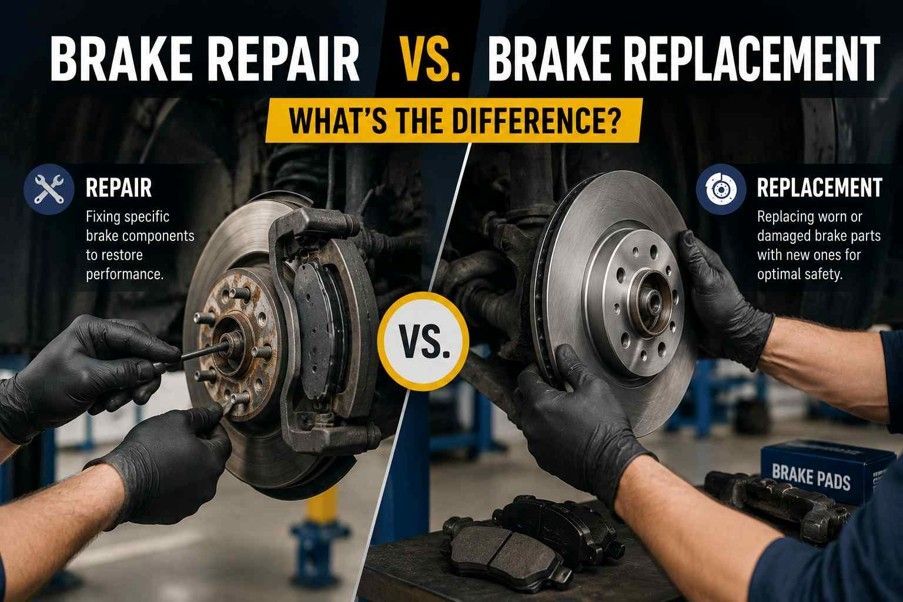
Learn the difference between brake repair and brake replacement, when each option may be needed, and the warning signs that your vehicle's brakes need attention.
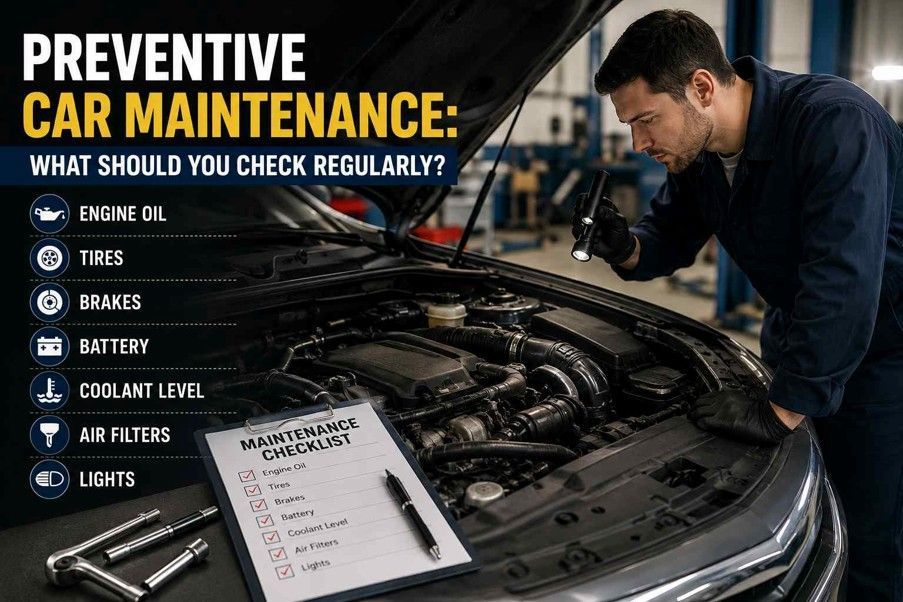
Learn what to check regularly with preventive car maintenance, including fluids, brakes, tires, batteries, and other key components to help avoid costly repairs.
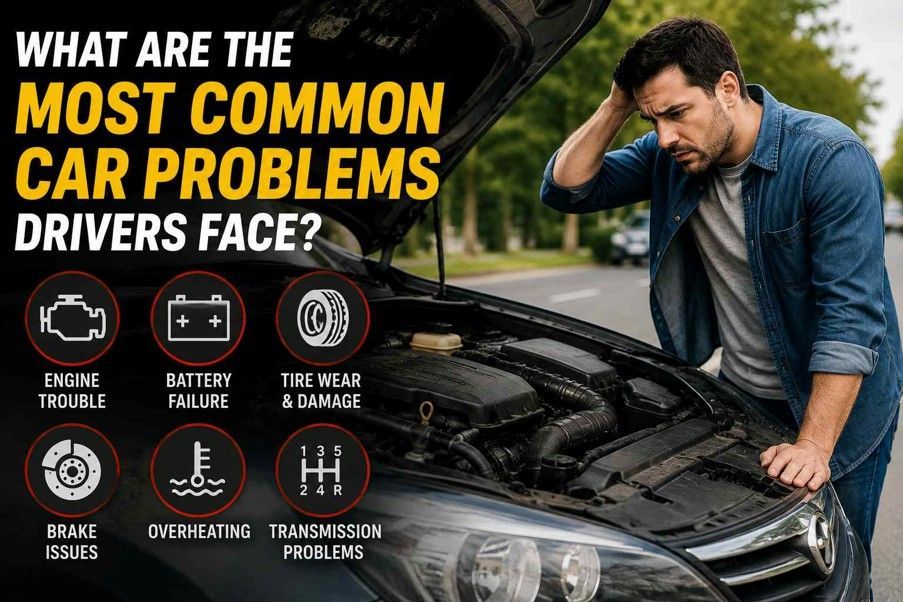
Discover the most common car problems drivers face, from brake and battery issues to engine, tire, and transmission problems, plus signs to watch for.
Why is your car losing power while accelerating? Learn the common causes, warning signs, and when to seek professional auto repair to restore performance.
Learn why your transmission is slipping, common causes, warning signs, repair options, and when to seek professional transmission repair.
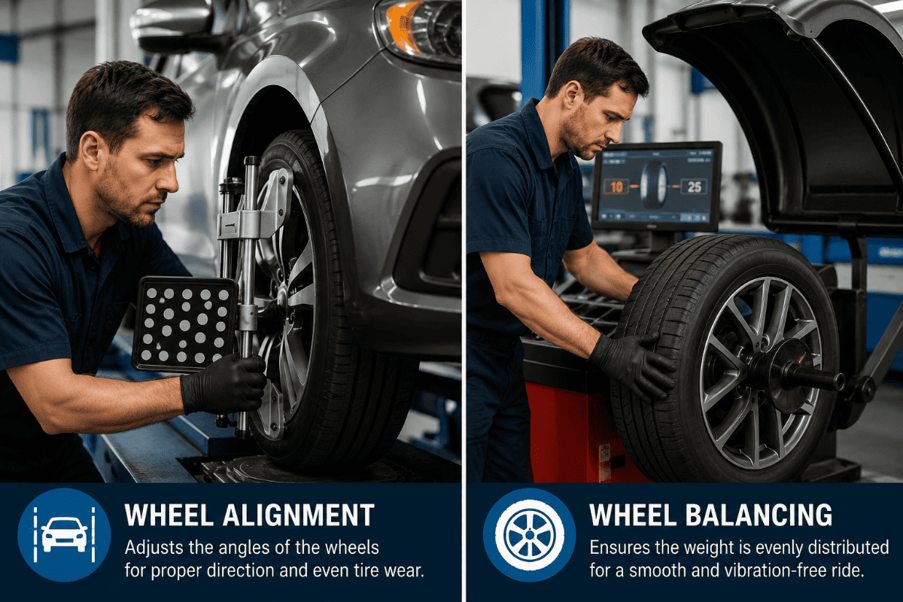
Learn the difference between wheel alignment and wheel balancing, common warning signs, key benefits, and when each service is needed for safer driving.

Learn why brake inspections before long road trips are essential. Discover warning signs, inspection tips, and how to keep your vehicle safe on every drive.