Muffler Man of Portage has proudly served Portage, Kalamazoo, Oshtemo, and nearby Michigan communities since 2002. As a family-owned auto repair shop, the team specializes in mufflers, exhaust systems, brakes, suspension repair, diagnostics, and general automotive services. With certified technicians, advanced diagnostic tools, and a commitment to honest service, Muffler Man of Portage delivers reliable automotive repair solutions backed by years of hands-on industry experience
An engine diagnostic is a computer test that checks your engine for hidden problems. It uses an OBD-II scanner to pull data straight from your car's computer. It also checks any stored trouble codes. This lets a technician spot issues before they turn into major repairs. Auto engine diagnostic services can catch fuel, ignition, sensor, and emissions problems early. You get this insight long before you notice a change in how the car drives. The result is better performance and better fuel efficiency. You also get a repair plan based on real data, not guesswork. A routine inspection checks what you can see. An engine diagnostic checks what you cannot.
Key Takeaways
● An engine diagnostic reads your car's computer to find problems a visual check cannot catch.
● The process moves through clear steps, from scanning codes to confirming the exact cause.
● A check engine light does not always mean a major repair, but it should never be ignored.
● Advanced engine diagnostics service relies on both computer data and hands-on testing. That is why DIY code readers rarely tell the full story.
● Regular diagnostics catch small issues early, which keeps repair costs down.
What Is an Engine Diagnostic?
An engine diagnostic is a computer check of your engine, sensors, and control systems. Modern cars run on many small computers. These computers manage fuel, ignition, and emissions. When something goes wrong, the system logs a code. A technician reads that code to trace the real problem.
Recently Blog: Top Warning Signs of a Dying Car Battery
What Does an Engine Diagnostic Check Do?
● Engine Control Module (ECM) — the car's main computer. It manages engine performance and stores fault data.
● Diagnostic Trouble Codes (DTCs) — the codes that point technicians to the affected system.
● Fuel injection system — checked to confirm fuel is delivered at the right time and amount.
● Ignition system — tested to make sure spark timing works correctly.
● Oxygen sensors — read to see how well the engine manages its air-fuel mix.
● Emissions system — scanned for faults tied to emissions testing.
Components Evaluated During Diagnostics
● Engine sensors — checked for readings outside their normal range.
● Spark plugs — checked for wear that can cause misfires.
● Fuel injectors — tested for clogs or uneven delivery.
● Mass Air Flow (MAF) sensor — checked, since a dirty sensor throws off the air-fuel mix.
● Throttle body — inspected for buildup that affects airflow.
● Battery and charging system — tested because low voltage can trigger false codes.
Why Engine Diagnostics Are Important?
A professional diagnostic gives you a real answer, not a guess. It catches small issues while they are still cheap to fix. It also confirms the real cause before any parts are replaced.
Problems Diagnostics Can Detect
● Check engine light issues — the diagnostic finds exactly what triggered the light.
● Engine misfires — traced to a specific cylinder or part.
● Poor fuel economy — often linked to a sensor or fuel problem.
● Rough idling — tied to ignition, fuel, or vacuum issues.
● Sensor failures — found before they cause bigger problems.
● Ignition problems — traced to spark plugs, coils, or wiring.
Signs You Need an Engine Diagnostic
● Check engine light — the clearest signal something needs attention.
● Poor acceleration — often points to a fuel or sensor issue.
● Engine shaking — usually tied to a misfire or ignition problem.
● Hard starting — can point to fuel, ignition, or sensor trouble.
● Strange engine noises — worth checking before they turn into bigger damage.
● Rough idle — often one of the first signs of an underlying issue.
What Happens During an Engine Diagnostic?
Step 1: Connect the OBD-II Scanner
The technician plugs an OBD-II scanner into a port near the steering column. This gives the scanner direct access to your car's computer. It can then pull data and stored codes in one pass.
Step 2: Retrieve Diagnostic Trouble Codes
The scanner pulls any stored fault codes. Each code points to a specific system. This gives the technician a starting point.
Step 3: Analyze Live Vehicle Data
The technician checks live data while the engine runs. This includes sensor readings, fuel trims, engine temperature, and RPM. Live data often reveals problems a stored code alone would miss.
Step 4: Perform a Visual Inspection
A hands-on check covers wiring, hoses, sensors, and other parts. This step catches damage the computer cannot detect on its own.
Step 5: Confirm the Root Cause
The technician runs more tests to confirm the exact cause. This step stops you from paying to replace a part that was never the problem.
Step 6: Recommend Repairs
Once the cause is confirmed, the technician lays out your options. This usually includes priority repairs that need attention now. It also includes preventive steps that help avoid future issues.
Engine Diagnostic vs. Vehicle Inspection
| Engine Diagnostic | Vehicle Inspection |
|---|---|
| Reads computer fault codes | Anne |
| Detects hidden problems | Finds visible wear |
| Uses OBD-II scanner | Manual inspection |
| Diagnoses engine performance | Checks safety items |
| Provides fault-specific data | General maintenance review |
An engine diagnostic and a vehicle inspection do different jobs. One reads your car's computer for hidden issues. The other checks what a technician can see and test by hand. Together, they give a full picture of your car's condition.
Common Problems Found During an Engine Diagnostic
Check engine light diagnosis often uncovers issues drivers never expected. This includes engine misfires, oxygen sensor failures, and fuel injector issues. Ignition coil problems, vacuum leaks, and catalytic converter faults are common too. So are battery charging problems and transmission errors. Catching these early keeps a small fix from becoming an expensive repair.
Why You Should Never Ignore the Check Engine Light?
Benefits of Early Diagnostics
Getting a diagnostic done early finds problems while they are still small. This saves on repair costs and improves fuel economy. It also keeps your engine running the way it should. On top of that, it helps prevent breakdowns and extends engine life.
Problems Caused by Delaying Diagnostics
Putting off a diagnostic lets small issues turn into engine damage. It also causes poor performance and worse fuel efficiency. There is a real risk of failing an emissions test too. By the time these problems are obvious, the repair costs far more.
Benefits of Professional Diagnostics
A professional diagnostic gives you a real answer. It uses advanced scan tools and a certified technician's judgment. That combination leads to faster repairs and advice you can trust.
Risks of DIY Code Readers
A basic code reader can pull a code. But it cannot confirm the real cause. This often leads to a wrong diagnosis and hidden issues left untreated. It can also mean unnecessary parts replaced and money spent without fixing the actual problem.
Must Read; Top 10 Signs Your Car's Brake System Needs Attention
Engine Diagnostic Costs and Service Needs
What Affects Diagnostic Costs?
Diagnostic pricing depends on your car's make and model. It also depends on how many fault codes turn up and whether more testing is needed. Sensor failures and engine complexity can add to the time it takes.
When Should You Schedule an Engine Diagnostic?
● The check engine light appears.
● Before a long road trip.
● When engine performance feels off.
● If fuel economy drops noticeably.
How Often Should You Get Diagnostics?
A good rule is to get a diagnostic when a warning light appears, before buying a used car, before emissions testing, and during annual maintenance. Waiting until a problem is obvious usually means a bigger bill.
Tips to Keep Your Engine Running Efficiently
Get Diagnostics If...
● The check engine light is on.
● Fuel economy drops for no clear reason.
● The engine misfires.
● The vehicle stalls unexpectedly.
Schedule Professional Service If...
● Sensors fail repeatedly.
● The vehicle hesitates during acceleration.
● The engine vibrates more than usual.
● Transmission shifts feel rough.
Prevent Future Repairs By...
● Keeping up with regular oil changes.
● Replacing air filters on schedule.
● Monitoring fluid levels routinely.
● Scheduling routine engine diagnostics.
Common Myths About Engine Diagnostics
| Myth | Fact |
|---|---|
| 1Diagnostics fix the problem automatically | They find the cause. Repairs are still needed |
| A check engine light always means a major repair | Many issues are minor if caught early |
| DIY code readers provide complete answers3 | Pros add live data and hands-on testing |
| Diagnostics are only needed when the engine fails | Regular checks prevent costly breakdowns |
Need Professional Engine Diagnostic Services?
A flashing check engine light does not mean a mystery repair bill. Engine Diagnostic Test Services using computerized engine diagnostics and OBD-II scanning show exactly what is going on under the hood. From check engine light diagnosis to car engine repair service, Muffler Man of Portage has the tools to get it right the first time. Schedule your appointment today.
Frequently Asked Questions
What happens during an engine diagnostic test?
A technician connects a scanner to your car's computer. They pull trouble codes, check live data, and do a visual inspection to confirm the cause before any repair.
What problems can an engine diagnostic detect?
It can find misfires, sensor failures, fuel and ignition issues, emissions faults, and transmission errors.
How long does an engine diagnostic usually take?
Most diagnostics take under an hour. Complex issues with multiple codes can take longer to confirm.
Is an engine diagnostic worth the cost?
Yes. It finds the exact problem, so you avoid paying for parts or repairs you never needed.
Will an engine diagnostic tell me exactly what's wrong with my car?
It points to the affected system. A technician then confirms the exact cause through further testing.
Can diagnostics detect transmission problems?
Yes. Many transmission issues run through the same computer system and show up during an engine diagnostic.
Can I drive with the check engine light on?
Short trips are usually fine. Waiting too long risks turning a small issue into a costly repair.
How accurate are modern engine diagnostics?
Modern computerized engine diagnostics are highly accurate, especially with live data review and a hands-on check by a trained technician.

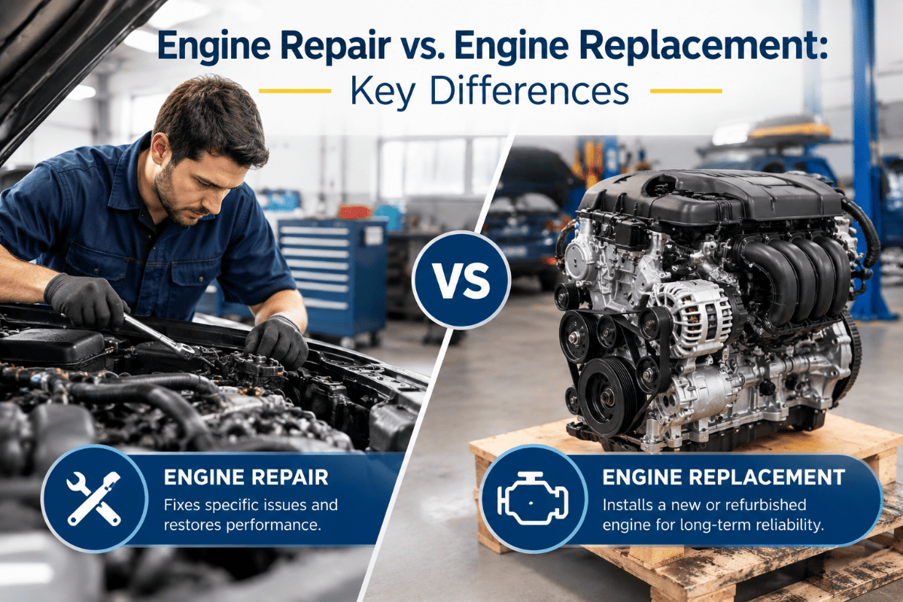
Compare engine repair vs. replacement, including costs, warning signs, benefits, and timelines. Get expert engine diagnostics at Muffler Man of Portage.
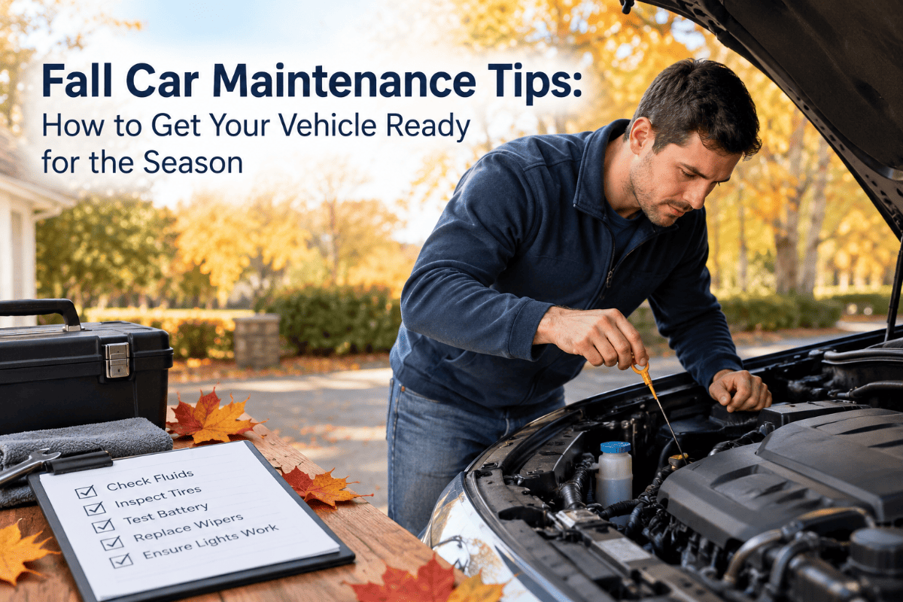
Get essential fall car maintenance tips to prepare for Michigan winter. Check your battery, tires, brakes, fluids, and more with this simple checklist.

Learn about different engine oil types, their benefits, and how to choose the right oil for your car to protect your engine and improve performance.
Discover the benefits of regular brake inspections, from safer stops to lower repair costs. Schedule a professional brake inspection in Portage, MI, today.
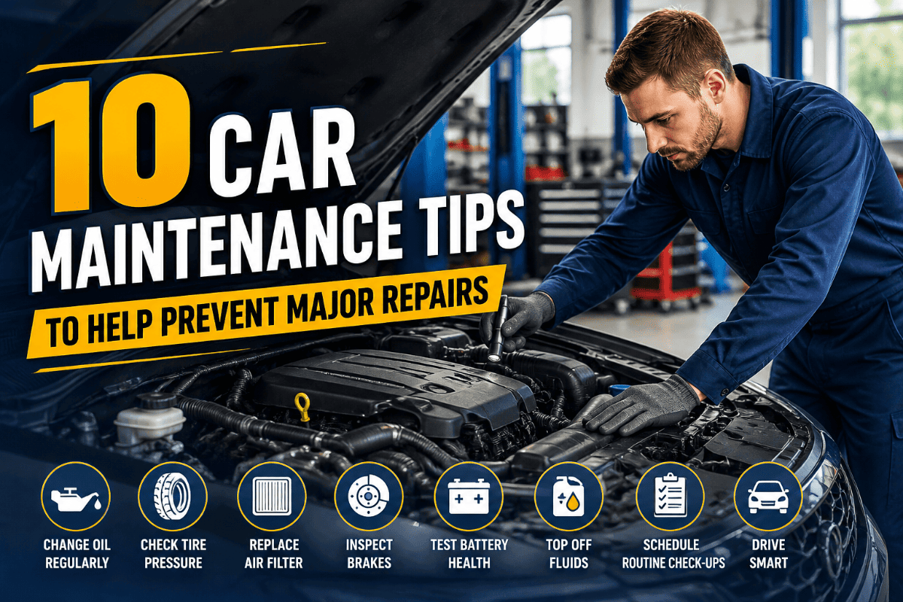
Follow these 10 car maintenance tips to prevent major repairs, improve vehicle safety, and save money with regular auto maintenance in Portage, MI.
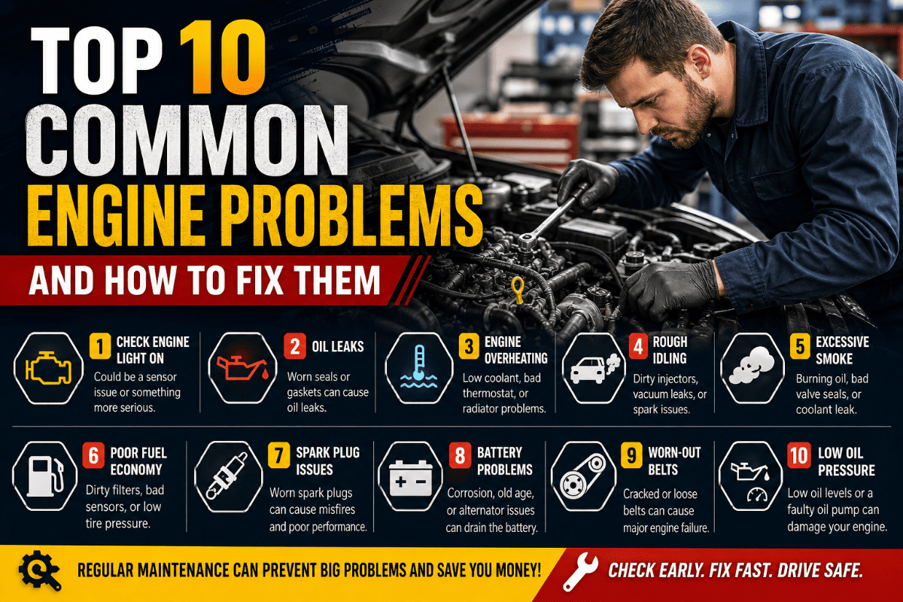
Discover 10 common engine problems, their warning signs, and practical fixes. Learn when to seek professional engine diagnostics to prevent costly repairs.
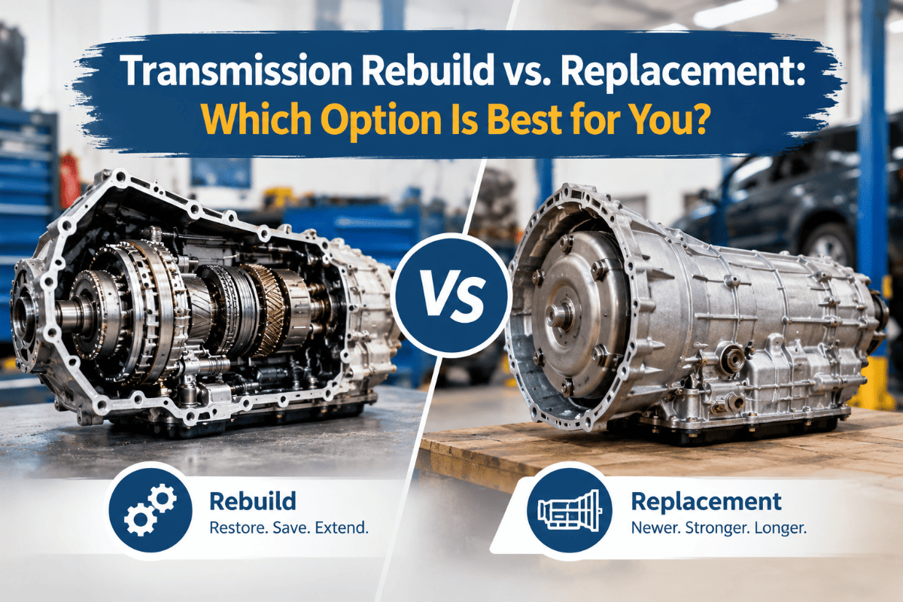
Compare transmission rebuild vs. replacement, including costs, benefits, repair time, and reliability. Get expert transmission service in Portage, MI.

Learn the common signs and causes of radiator problems, explore repair options, and discover when to seek professional help to prevent engine overheating and costly damage.

Learn how to extend the life of your transmission with essential maintenance tips, proper driving habits, and early warning signs to watch for.
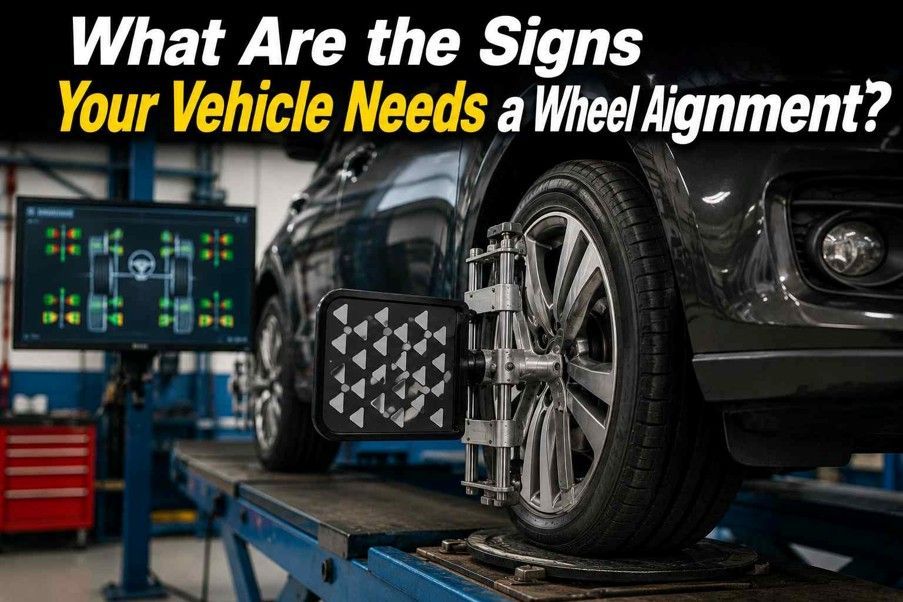
Learn the signs your vehicle needs a wheel alignment, including uneven tire wear, pulling, steering issues, and an off-center steering wheel.