Muffler Man of Portage has proudly served Portage, Kalamazoo, Oshtemo, and nearby Michigan communities since 2002. As a family-owned auto repair shop, the team specializes in mufflers, exhaust systems, brakes, suspension repair, diagnostics, and general automotive services. With certified technicians, advanced diagnostic tools, and a commitment to honest service, Muffler Man of Portage delivers reliable automotive repair solutions backed by years of hands-on industry experience
Got a damaged tire and not sure what to do next? Do not stress. Here is the simple truth. Tire repair fixes small punctures in the tread area quickly and cheaply. Tire replacement is the right move when a tire is too damaged, too worn, or just plain unsafe to fix.
So how do you know which one you need? It really comes down to three things: the type of damage, the age of the tire, and what a professional finds during inspection.
Quick Comparison:
● Tire repair service costs less and works great for minor tread punctures.
● Tire replacement service is the safer long-term option for worn or badly damaged tires.
When in doubt, always start with a visit to a trusted auto repair shop. They will tell you exactly what you are dealing with.
Understanding Tire Repair and Tire Replacement
Before you make a decision, it helps to understand what each service actually involves. They are not interchangeable, and picking the wrong one can cost you more in the long run.
What Is Tire Repair?
Tire repair service is exactly what it sounds like. A technician patches or plugs a small puncture, seals the leak, and gets you back on the road. It is fast, affordable, and works well for minor damage that has not touched the tire's structure.
What Is Tire Replacement?
Tire replacement service means pulling off the damaged tire and putting on a brand new one. It is the right call when a tire is too far gone to fix safely. New tire installation brings back full traction, performance, and peace of mind all at once.
Recent Blog: Drum Brakes vs Disc Brakes: Which Is Better?
Common Tire Damage That Can Be Repaired
Good news first. Not every flat means you need a new tire. These types of damage are usually fixable:
● Nail punctures in the tread area
● Small tread-area punctures under ¼ inch
● Minor air leaks from road hazards
● Repairable tread damage with no structural impact
● Slow tire pressure loss from a small embedded object
● Minor road hazard damage within the tread zone
● Small screw punctures
● Damage suitable for a tire plug and patch repair
Tire Damage That Requires Replacement
Now for the not-so-good news. Some damage simply cannot be fixed, no matter how small it looks. If your tire has any of these, go ahead and replace it:
● Sidewall damage of any kind
● Tire blowouts
● Large punctures over ¼ inch
● Severe tread wear at or below safe limits
● Belt separation inside the tire
● Cracked or aged tires past their safe service life
● Multiple punctures close together
● Any kind of structural tire damage
Why Does Tire Condition Matter for Vehicle Safety?
Importance of Proper Tire Maintenance
Here is something worth remembering. Your tires are the only part of your vehicle that actually touches the road. That means worn, damaged, or under-inflated tires directly affect how your car steers, brakes, and handles. Keeping up with tire maintenance service is not optional. It is one of the most important things you can do for your safety.
Factors That Affect Tire Safety
A lot of things work together to determine whether a tire is actually safe. Keep these in mind:
● Tread depth and how much grip is left
● Current tire pressure levels
● Overall tire age and condition
● Road conditions in your area
● Your vehicle's weight and load
● Your personal driving habits
● Weather conditions like rain, snow, or heat
● The severity of any existing damage
Signs Your Tire Needs Professional Inspection
Your tires will usually give you a heads-up before things get bad. Watch out for these warning signs:
● Frequent air loss or tires going flat repeatedly
● Visible cracks on the sidewall or tread surface
● Uneven tread wear across the tire
● Sidewall bulges or bubbles
● Vibration or wobbling while you drive
● Tread depth getting close to or below the legal limit
● TPMS warning light showing up on your dashboard
Spot any of these? Go ahead and schedule a tire inspection at your nearest vehicle tire service center right away. Do not put it off.
Tire Repair vs. Tire Replacement: Side-by-Side Comparison
Still on the fence? This table makes it easy to see exactly how these two options compare. Take a look and see which one fits your situation best.
| Feature | Tire Repair | Tire Replacement |
|---|---|---|
| Cost | Lower | Higher |
| Safety | Depends on Damage | Maximum Safety |
| 3Suitable For | Minor punctures | Severe damage |
| Time Required | Faster | Longer |
| Performance | Restores functionality | Restores optimal performance |
| Long-Term Reliability | Moderate | High |
| Recommended For | Repairable tread damage | Worn or unsafe tires |
Bottom line: minor damage on a good tire means repair is your best bet. But if the tire is worn out or seriously damaged, replacement is the only safe road forward.
Tire Inspection and Maintenance Checklist
Here is the thing about tire problems: most of them are totally preventable. Staying on top of regular maintenance improves safety, boosts fuel efficiency, and stretches the life of every tire on your vehicle. It is worth a few minutes of your time.
Add these steps to your regular tire maintenance service routine:
● Check tire tread depth with a gauge or the penny test
● Inspect sidewalls for cracks, cuts, or bulges
● Monitor tire pressure at least once a month
● Rotate tires every 5,000 to 7,000 miles
● Balance the wheels when you feel vibrations
● Check for nails, screws, or other embedded objects
● Pay attention to TPMS warnings and act on them fast
● Book a professional tire inspection at least once a year
Stay ahead of small issues, and you will avoid big, expensive ones down the road.
Advantages and Disadvantages of Tire Repair and Tire Replacement
Both options have real strengths and real limitations. Here is an honest look at both sides so you can make the best call for your situation.
Benefits of Tire Repair
● Costs much less than a full replacement
● Faster turnaround and back on the road sooner
● Extends the life of a tire that still has good tread
● More environmentally friendly than tossing a tire
● Convenient fix for minor road hazard damage
● Keeps your existing matched tire set together
Limitations of Tire Repair
● Not an option for sidewall damage or large punctures
● Only works if the tire is still in decent overall shape
● Cannot fix structural or internal damage
● Older tires often need replacement even after a successful repair
Benefits of Tire Replacement
● Restores full safety and maximum performance
● Fresh tread means better grip and traction
● Brings back the tire's original handling feel
● Significantly lowers the risk of a blowout
● Improves fuel efficiency with a properly inflated new tire
● Gives you a longer lifespan from the ground up
Drawbacks of Tire Replacement
● Higher upfront cost compared to a simple repair
● Takes more time at the shop
● May mean replacing multiple tires for even wear
● Comes with additional balancing and installation costs
Tire Repair and Tire Replacement Costs
Nobody likes a surprise bill. So before you head to the shop, it helps to know what actually drives the cost of each service. That way, you can ask the right questions and plan.
What Affects Tire Repair Costs?
These are the main things that move the price of a repair up or down:
● The type and size of the puncture
● The repair method used, such as a plug versus a patch
● Your tire's size and type
● The overall condition of the tire at the time of service
● Labor rates at your local auto repair shop
What Affects Tire Replacement Costs?
Replacement costs can vary quite a bit more. Here is what usually makes the biggest difference:
● The tire brand and quality level you choose
● Your tire's size and fitment for your vehicle
● The tire type, whether all-season, performance, or all-terrain
● Your vehicle's specific load and speed requirements
● Installation, wheel balancing, and old tire disposal fees
When Should You Replace Tires Instead of Repairing Them?
Sometimes repair simply is not on the table. Go straight to replacement when:
● Sidewall damage is present, no matter how small it seems
● Tread depth has dropped below the 2/32-inch safety limit
● The tire already has multiple punctures that weaken its integrity
Which Option Is Right for Your Vehicle?
Still not sure which way to go? No worries. Use this as your quick decision guide, and you will have a clear answer in no time.
Consider Tire Repair If...
● The damage sits in the tread area only
● The puncture is small, under ¼ inch
● The remaining tread depth is still healthy
● The tire is relatively new and in good condition
● No structural or sidewall damage is present
Consider Tire Replacement If...
● Sidewall damage is present anywhere on the tire
● The tread is worn down to or near the safety limit
● The tire already has multiple punctures
● The tire is old, cracked, or past its safe service life
● The tire suffered a full blowout
Schedule a Professional Tire Inspection If...
● You are honestly not sure whether the tire is still safe
● Tire pressure keeps dropping without an obvious reason
● Your vehicle pulls to one side while driving
● You notice uneven tread wear on one or more tires
● You feel vibrations at highway speeds
Not sure? Do not guess. A quick stop at a vehicle tire service center gives you a straight, honest answer without the stress.
Need Professional Tire Repair or Tire Replacement Services?
Flat tire? Worn tread? Not quite sure what your tires need? Do not just guess and hope for the best. Muffler Man in Portage, MI, takes care of it all: tire inspections, flat tire repair, tire replacement service, tire pressure checks, tire rotation, wheel balancing, wheel alignment, and TPMS inspections. Their team of professionals proudly serves drivers across Portage, Kalamazoo, and Vicksburg, MI. Go ahead and schedule your tire maintenance service appointment today and hit the road knowing your tires are completely road-ready.
Frequently Asked Questions
Should I repair or replace a damaged tire?
It depends on the damage. Small tread-area punctures under ¼ inch are usually a safe repair. Sidewall damage, blowouts, severe wear, or multiple punctures mean replacement is the only safe option. When you are unsure, always get a professional to take a look first.
What types of tire damage can be repaired?
Small punctures in the tread zone caused by nails, screws, or minor road hazards are typically repairable. The puncture needs to be under ¼ inch and away from the sidewall. Any damage outside the tread area or anything structural cannot be safely fixed.
When is tire replacement necessary?
Tire replacement is the right call when a tire has sidewall damage, a blowout, tread worn below 2/32 inch, multiple punctures, belt separation, or visible cracking. These conditions make the tire genuinely unsafe, no matter how it looks on the outside.
Can sidewall tire damage be repaired?
No, and this one is not up for debate. Sidewall damage cannot be repaired safely. The sidewall flexes constantly while driving and simply cannot hold a patch or plug under that kind of stress. Any sidewall damage means that the tire needs to come off right away.
How much does tire repair cost compared to replacement?
A basic tire repair service usually runs between $15 and $45. A full tire replacement service can range from $100 to $300 or more per tire, depending on size and brand. Repair is almost always the cheaper option when the damage actually qualifies for one.
Is it safe to drive on a repaired tire?
Yes, as long as the repair was done properly by a trained technician. The damage needs to be in the tread area, under ¼ inch, and fixed using a proper patch-plug combination. A professional repair done right is completely safe for everyday driving.
How long does a repaired tire last?
A properly repaired tire can last for the rest of the tire's natural lifespan. There is no expiration on a good repair job. That said, if the tire is already old or close to its wear limit, replacement is usually the smarter long-term choice.
What is the minimum tire tread depth for safe driving?
The legal minimum is 2/32 of an inch. However, most safety experts suggest replacing tires at 4/32 of an inch for better wet-weather grip. A quick way to check is the quarter test: if you see the top of the head, your tread is too low, and it is time to replace.
```json
```


Learn the common signs and causes of radiator problems, explore repair options, and discover when to seek professional help to prevent engine overheating and costly damage.

Learn how to extend the life of your transmission with essential maintenance tips, proper driving habits, and early warning signs to watch for.
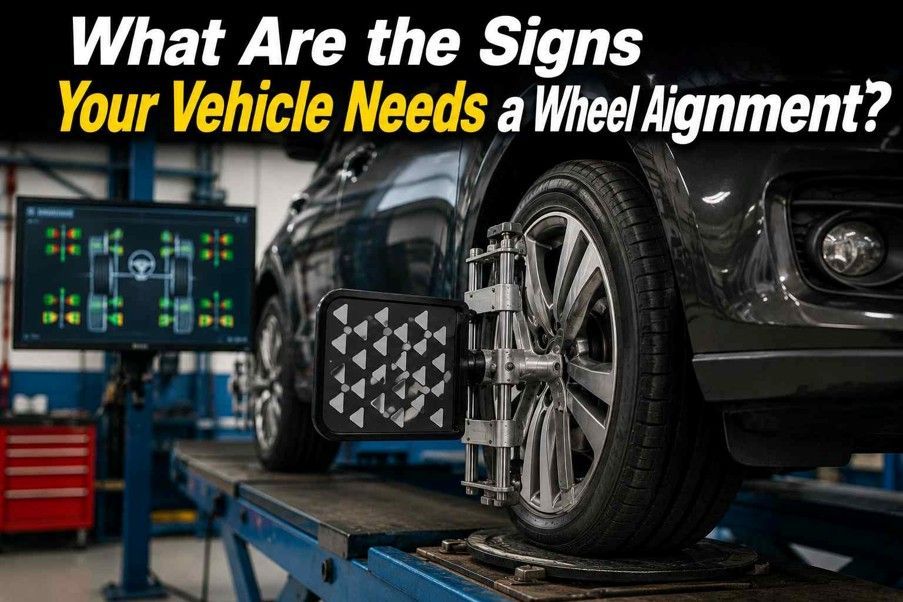
Learn the signs your vehicle needs a wheel alignment, including uneven tire wear, pulling, steering issues, and an off-center steering wheel.
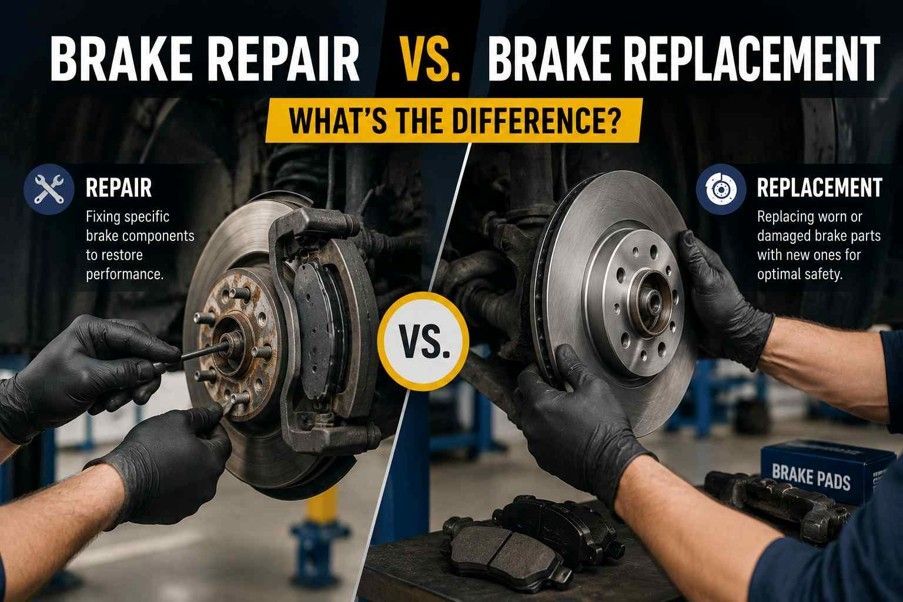
Learn the difference between brake repair and brake replacement, when each option may be needed, and the warning signs that your vehicle's brakes need attention.
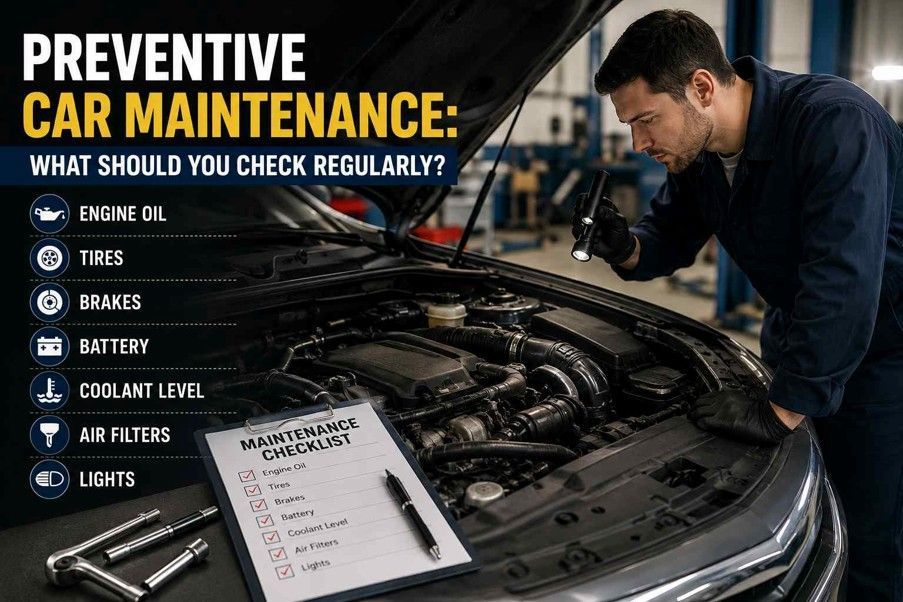
Learn what to check regularly with preventive car maintenance, including fluids, brakes, tires, batteries, and other key components to help avoid costly repairs.
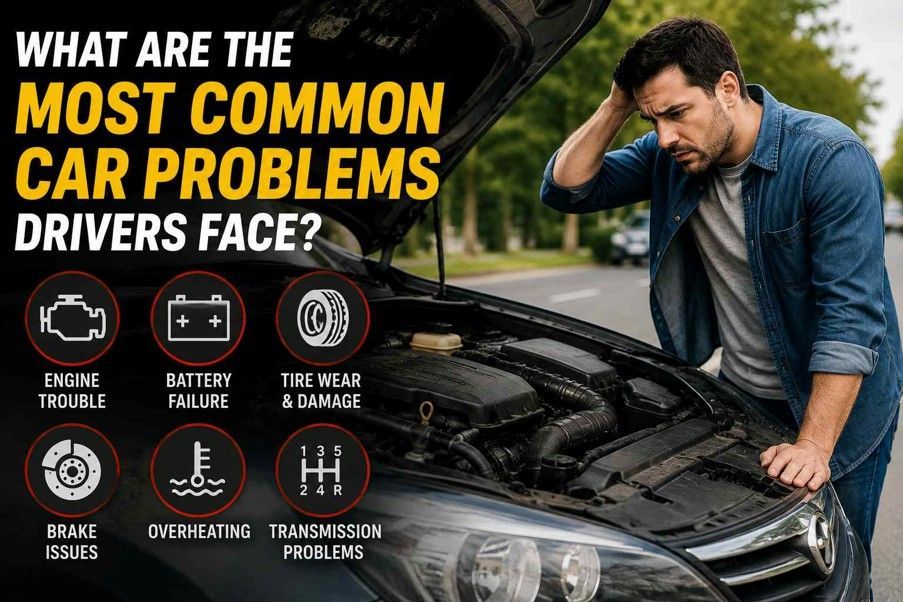
Discover the most common car problems drivers face, from brake and battery issues to engine, tire, and transmission problems, plus signs to watch for.

Why is your car losing power while accelerating? Learn the common causes, warning signs, and when to seek professional auto repair to restore performance.
Learn why your transmission is slipping, common causes, warning signs, repair options, and when to seek professional transmission repair.
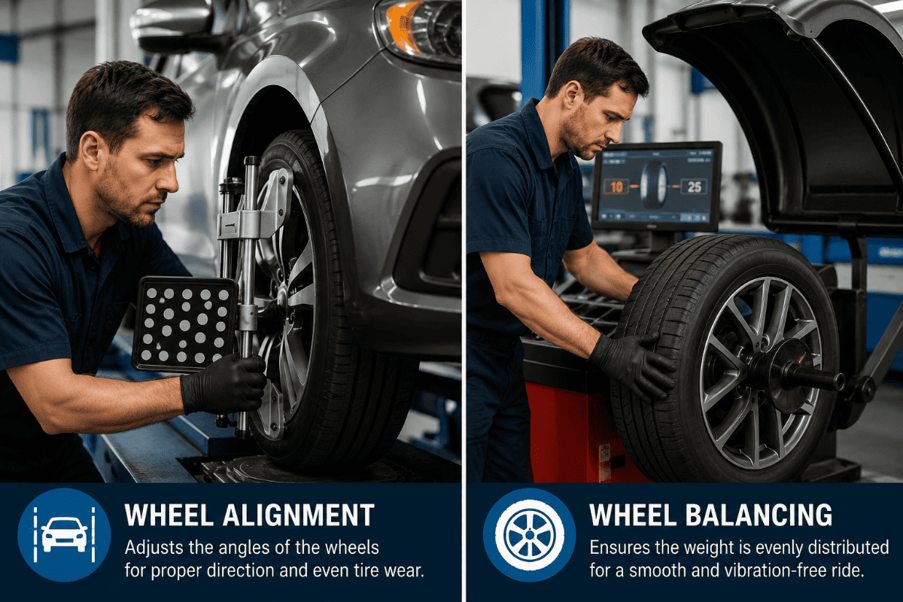
Learn the difference between wheel alignment and wheel balancing, common warning signs, key benefits, and when each service is needed for safer driving.

Learn why brake inspections before long road trips are essential. Discover warning signs, inspection tips, and how to keep your vehicle safe on every drive.