Muffler Man of Portage has proudly served Portage, Kalamazoo, Oshtemo, and nearby Michigan communities since 2002. As a family-owned auto repair shop, the team specializes in mufflers, exhaust systems, brakes, suspension repair, diagnostics, and general automotive services. With certified technicians, advanced diagnostic tools, and a commitment to honest service, Muffler Man of Portage delivers reliable automotive repair solutions backed by years of hands-on industry experience
The difference between wheel alignment and wheel balancing comes down to how your vehicle's wheels are positioned and how evenly their weight is distributed. Wheel alignment adjusts the angles of the wheels to match manufacturer specifications, helping your vehicle drive straight and reducing uneven tire wear. Wheel balancing corrects weight imbalances in the tire-and-wheel assembly to minimize vibrations, especially at higher speeds.
Understanding these differences can help you identify common driving problems, choose the right service, and maintain safer handling, smoother driving, and longer tire life. Knowing the difference between wheel alignment and balancing also helps you determine which service your vehicle may need based on the symptoms you notice.
What Is Wheel Alignment?
It's an adjustment to the angles of your wheels, not the wheels themselves. Think of it as fine-tuning how your tires touch the road. Every wheel has set angles from the factory. These angles control how your tires point and lean. When they shift, your car can pull to one side. Tires can wear out unevenly too.
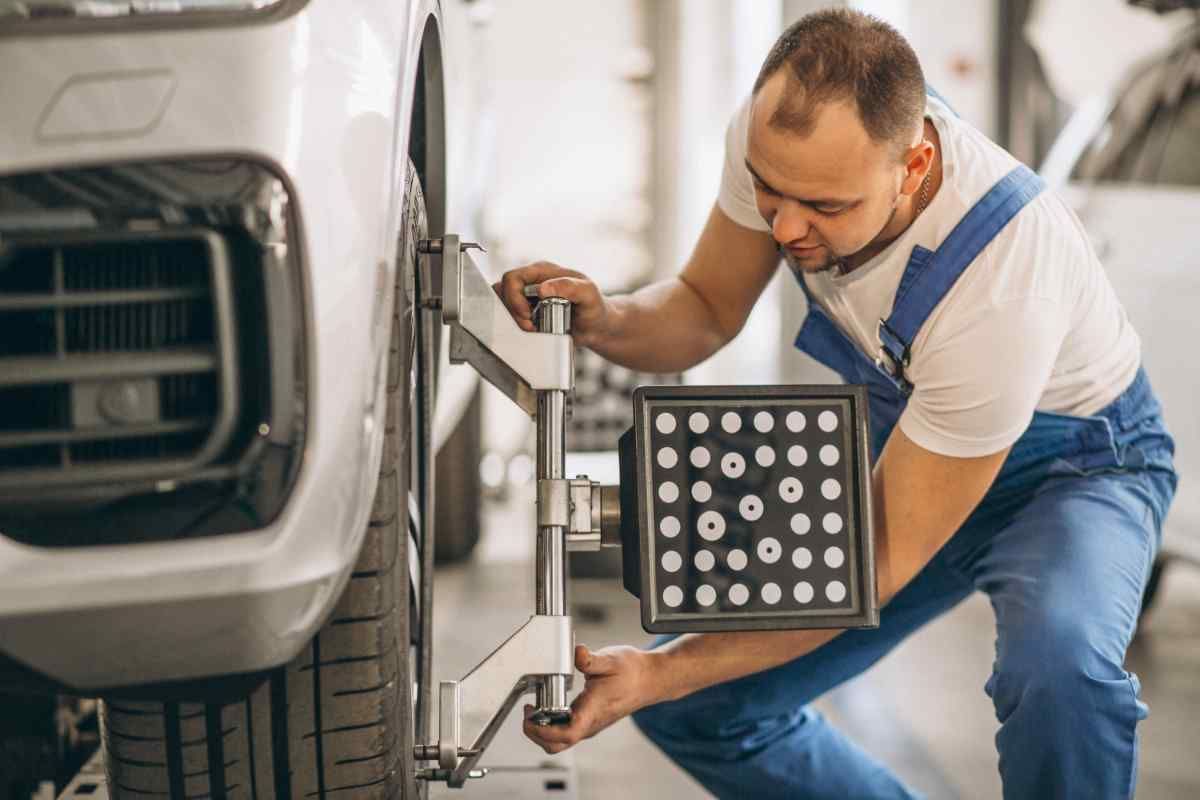
A proper wheel alignment service uses computer-guided tools to check these angles. The technician then adjusts parts under your car until everything matches the factory settings.
What Is Wheel Balancing?
This service fixes uneven weight in your tire and wheel. Tires are never perfectly even, even brand new ones. Small differences in rubber can create light and heavy spots. Potholes, curbs, and rough roads make this worse over time. A wheel balancing service fixes this. Technicians add tiny weights to the wheel to even things out.
Recent Blog: The Importance of Brake Inspections Before Long Road Trips
During the process, a technician mounts your tire on a spinning machine. This machine finds exactly where the imbalance sits. Then the weights go in the right spot.
Alignment vs. Balancing: A Quick Comparison
Since both services deal with tires, it's easy to mix them up. Here's a simple side-by-side look.
| Feature | Wheel Alignment | Wheel Balancing |
|---|---|---|
| What it fixes | Wheel angles and steering direction | Uneven weight in the tire and wheel |
| Common symptom | Car pulls to one side | Vibration in steering wheel or seat |
| Tools used | Alignment machine, suspension adjustments | Balancing machine, small weights |
| How often | Every 6,000 miles or twice a year | Every 5,000 to 6,000 miles |
| Main benefit | Better handling and even tire wear | Smoother ride and longer tire life |
Signs You Need a Wheel Alignment
Signs are usually easy to spot once you know what to look for. Your car often tells you before a small issue turns into a bigger repair. Watch for these clues:
● Your car pulls left or right, even on a flat road
● The steering wheel sits crooked when you're driving straight
● Tire treads wear faster on one side than the other
● You hear squealing tires during normal turns
● The steering feels loose or slow to respond
Hitting a deep pothole or bumping a curb can throw off your alignment. A minor accident can cause the same problem. If any of these signs sound familiar, get your car checked soon.
Signs You Need Wheel Balancing
Signs often show up as vibration rather than pulling. This is the easiest way to tell the two issues apart. Common warning signs include:
● Shaking in the steering wheel, usually at higher speeds
● Vibration felt through the seat or floorboard
● Uneven or cupped wear patterns on your tires
● A bumpy ride even on smooth roads
Here's a helpful trick. If the shaking shows up in your steering wheel, it's likely your front tires. If you feel it more in your seat, your back tires are the likely cause.
Getting a Wheel Alignment Inspection
A wheel alignment inspection is a quick way to catch problems early. It happens before your tires or suspension wear down. Most shops finish this check in under an hour.
During the inspection, your car sits on a special rack. Sensors check your wheel angles against factory settings. If anything is off, technicians show you the numbers. They also explain what needs fixing. Getting a wheel alignment inspection with every oil change is a smart habit. It catches small shifts before they turn into costly tire damage.
Benefits of Wheel Balancing
The benefits of wheel balancing go beyond a smoother ride. Balanced tires also protect other parts of your car. Here's what proper balancing gives you:
● Even tire wear: Weight spreads out evenly, so no spot wears down faster.
● Longer tire life: Balanced tires last longer, so you save money over time.
● Less strain on suspension: Shaking from bad balance can wear down shocks and struts.
● A more comfortable ride: No more annoying shakes at highway speed.
New tires should always be balanced before installation. It's also smart to rebalance them during rotations or after hitting a big pothole.
Why This Matters for Your Whole Vehicle?
Alignment and balancing might seem small, but they affect your whole car. Poor alignment makes your tires fight each other. This wastes fuel and wears down rubber unevenly. Unbalanced wheels send shaking through your suspension. Over time, this wears down shocks and struts faster.
Must Read: Muffler vs. Exhaust: What's the Difference?
Together, these two services protect your tires and keep your car handling well. Skipping either one for too long often leads to bigger, costlier repairs later.
Let's Get Your Wheels Checked Today
We know it's tempting to ignore a little vibration or pull in your steering. But small issues rarely fix themselves. If your car shows any of these signs, don't wait for it to get worse. At Muffler Man, our car repair service experts know how to spot these issues fast. We use precise tools to diagnose and fix both alignment and balancing problems. Stop by today, and let's get your ride running smooth and straight again.
Frequently Asked Questions
What is the difference between wheel alignment and wheel balancing?
Alignment adjusts wheel angles so your car drives straight. Balancing fixes uneven weight in the tire to stop shaking. They fix different problems.
Do I need wheel alignment or wheel balancing?
If your car pulls to one side, you likely need alignment. If you feel shaking or vibration, balancing is probably the fix.
How often should wheel alignment and balancing be performed?
Get your alignment checked every 6,000 miles, or twice a year. Get balancing done every 5,000 to 6,000 miles, or with new tires.
Can wheel balancing fix steering wheel vibration?
Yes, in most cases. Vibration is a classic sign of unbalanced tires. Adding small weights usually solves the problem fast.
Does wheel alignment help tires last longer?
Yes. Proper alignment keeps tires wearing evenly across the tread. This helps you get the most miles out of every tire you buy.

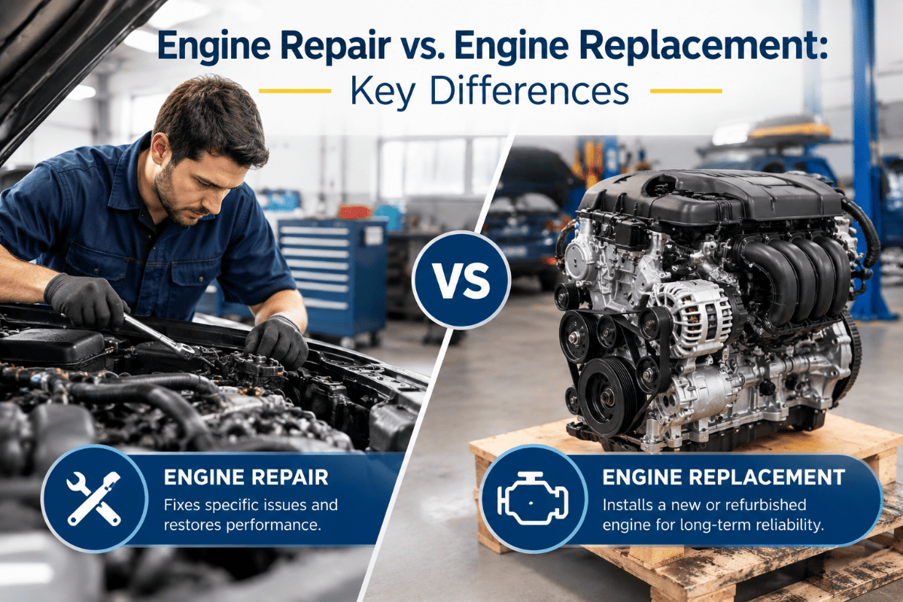
Compare engine repair vs. replacement, including costs, warning signs, benefits, and timelines. Get expert engine diagnostics at Muffler Man of Portage.
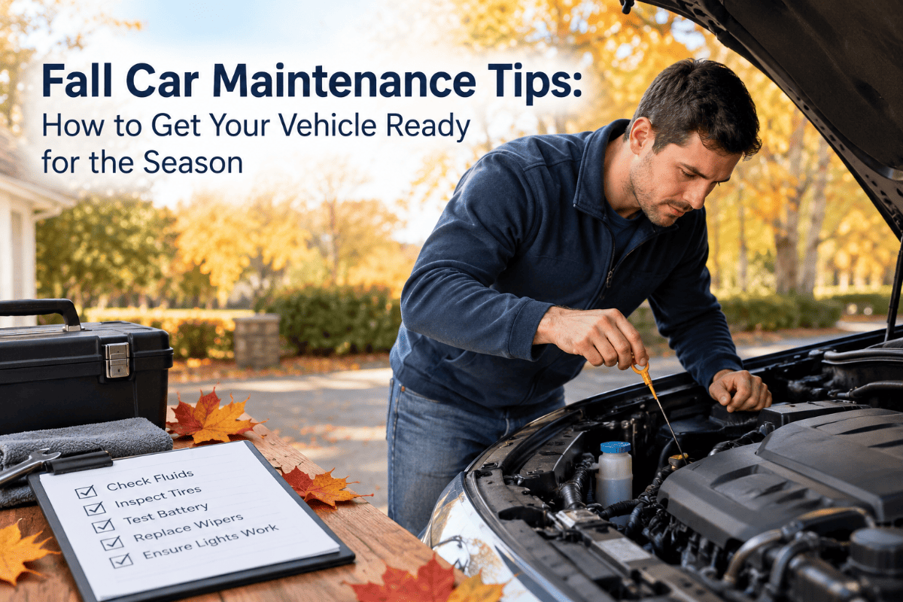
Get essential fall car maintenance tips to prepare for Michigan winter. Check your battery, tires, brakes, fluids, and more with this simple checklist.

Learn about different engine oil types, their benefits, and how to choose the right oil for your car to protect your engine and improve performance.
Discover the benefits of regular brake inspections, from safer stops to lower repair costs. Schedule a professional brake inspection in Portage, MI, today.
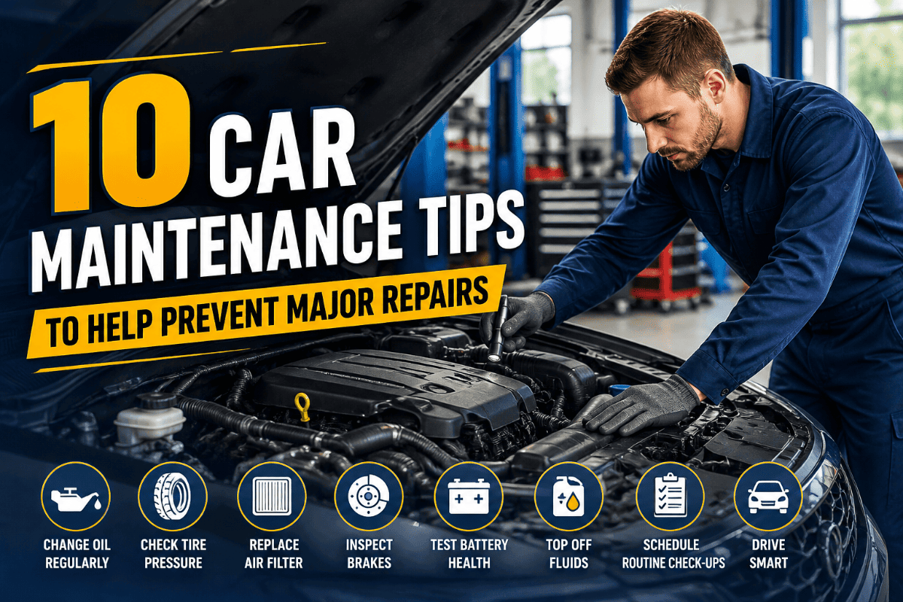
Follow these 10 car maintenance tips to prevent major repairs, improve vehicle safety, and save money with regular auto maintenance in Portage, MI.
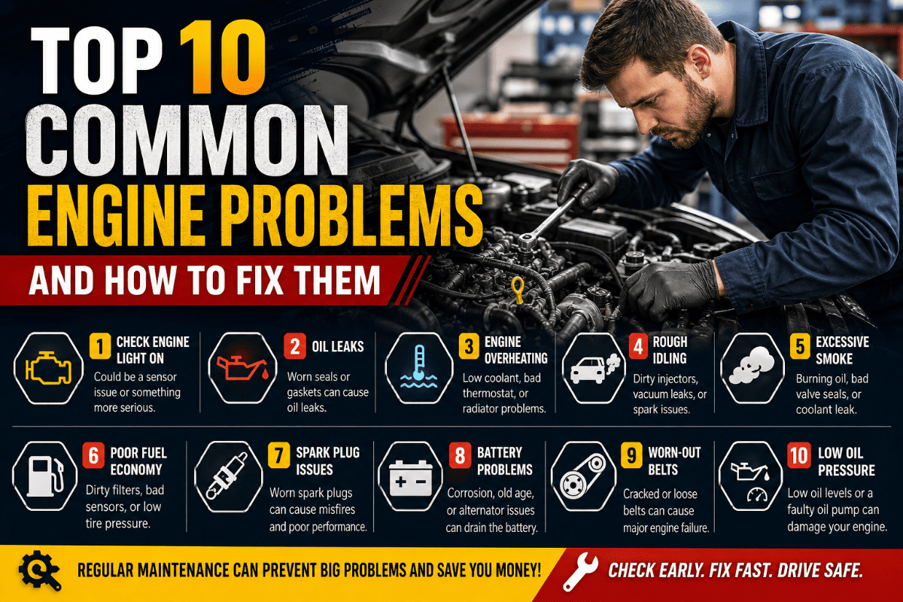
Discover 10 common engine problems, their warning signs, and practical fixes. Learn when to seek professional engine diagnostics to prevent costly repairs.
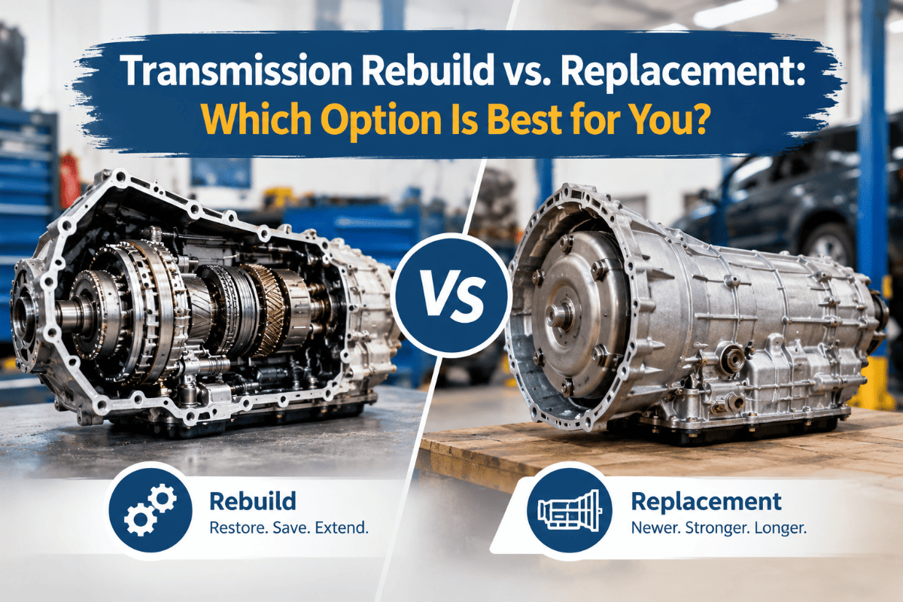
Compare transmission rebuild vs. replacement, including costs, benefits, repair time, and reliability. Get expert transmission service in Portage, MI.

Learn the common signs and causes of radiator problems, explore repair options, and discover when to seek professional help to prevent engine overheating and costly damage.

Learn how to extend the life of your transmission with essential maintenance tips, proper driving habits, and early warning signs to watch for.
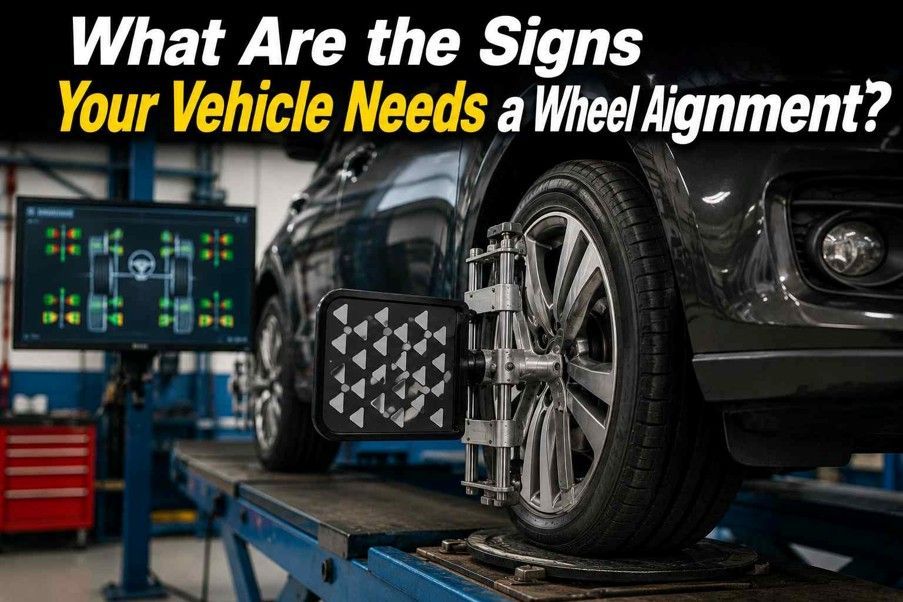
Learn the signs your vehicle needs a wheel alignment, including uneven tire wear, pulling, steering issues, and an off-center steering wheel.