Muffler Man of Portage has proudly served Portage, Kalamazoo, Oshtemo, and nearby Michigan communities since 2002. As a family-owned auto repair shop, the team specializes in mufflers, exhaust systems, brakes, suspension repair, diagnostics, and general automotive services. With certified technicians, advanced diagnostic tools, and a commitment to honest service, Muffler Man of Portage delivers reliable automotive repair solutions backed by years of hands-on industry experience
Ever wonder why your car got loud overnight, then someone says "it's your muffler" while another person blames "the exhaust"? Most drivers use these words like they mean the same thing. They don't. Understanding muffler vs exhaust helps you talk to your mechanic with confidence and catch problems before they turn into bigger repairs. Let's break down what each part actually does.
What Is a Muffler?
A muffler is the part that quiets down your engine's noise. It's a metal canister, usually stainless steel or aluminum, tucked near the back of your car before the tailpipe. Inside, baffles and chambers bounce sound waves against each other. This cancels out much of the roar your engine would otherwise make.
Without a muffler, your car would sound closer to a race car than a daily driver. It's a small part, but it makes a big difference in how peaceful your drive feels.
What Is an Exhaust System?
An exhaust system is the full network that moves gases away from your engine and out of the car. It includes the exhaust manifold, pipes, catalytic converter, resonator, muffler, and tailpipe. Each piece plays a role in routing hot, toxic gases safely away from the cabin.
Recent Blog: What Causes Exhaust Leaks in Vehicles and How to Fix Them?
The exhaust system also helps your engine run efficiently. It manages backpressure, which affects how well your engine breathes, and it treats harmful gases through the catalytic converter before they reach the outside air.
Muffler vs. Exhaust: Key Differences Explained
Here's a simple way to see muffler vs. exhaust: key differences explained side by side.
| Feature | Muffler | Exhaust System |
|---|---|---|
| Main job | Reduces engine noise | Moves and treats exhaust gases |
| Location | Near the rear axle, before the tailpipe | Runs from the engine to the tailpipe |
| Made of | Steel or aluminum canister | Pipes, converter, resonator, and muffler together |
| Common issue | Rust holes, loose hangers | Leaks, cracked pipes, failed converter |
| Effect when broken | Loud noise, rattling | Fumes, poor mileage, Check Engine Light |
Think of the muffler as one part working inside a much bigger system. Every muffler is part of the exhaust system, but not every exhaust part is a muffler.
Signs Your Muffler Needs Repair or Replacement
Your muffler usually gives clear warnings before it fails. Watch for these signs your muffler needs repair or replacement:
● A noticeably louder exhaust note, especially when you accelerate
● Rattling sounds coming from underneath the rear of the car
● Visible rust holes or flaky metal on the muffler body
● Sluggish acceleration that wasn't there before
These signs point to the muffler itself, not the rest of the exhaust system. Catching them early keeps repair costs lower.
Signs Your Exhaust System Needs Professional Attention
Other symptoms point to a problem further up the line. Here are signs your exhaust system needs professional attention:
● The Check Engine Light turns on, often tied to catalytic converter codes
● Fuel economy drops without an obvious reason
● Rough idle or shaking when you press the gas
● A strong fuel or exhaust smell under the car or inside the cabin
● Popping or knocking noises that change with engine speed
If you notice these, the issue likely sits somewhere other than the muffler, like a cracked pipe or a failing converter.
Can You Drive With a Damaged Muffler?
Technically yes, for a short distance, but it's not a good idea long term. A damaged muffler lets more noise and fumes escape than normal. Over time, the extra vibration can loosen other exhaust parts and speed up rust in nearby pipes.
If the damage is minor, like a small rust spot, you may have a little time before it needs attention. If there's a visible hole or the noise is sudden and loud, it's best to get it checked soon. Waiting can turn a simple muffler fix into a full exhaust repair.
Why a Complete Exhaust System Inspection Matters?
A complete exhaust system inspection looks at every part, not just the muffler. Technicians check for rust, loose hangers, cracked welds, and leaking gaskets along the entire system. This matters because a small leak near the engine can cause the same symptoms as a bad muffler, but the fix is completely different.
Getting the whole system checked once a year helps catch small problems early. It also protects expensive parts like the catalytic converter, which can fail faster if a leak goes unnoticed for too long.
Must Read: What Happens During an Engine Diagnostic?
Let's Keep Your Ride Running Smooth and Quiet
Knowing the difference between your muffler and your exhaust system helps you describe the problem accurately and avoid paying for the wrong fix. If your car sounds louder than usual, or you've noticed any of the warning signs above, don't wait for it to get worse. Our team acts as your local car exhaust repair specialist, handling everything from a simple muffler swap to a full system diagnosis. Search no further than Muffler Man, the trusted auto repair shop near you in Portage. Bring your car in, and we'll get it running quiet, clean, and safe again.
Frequently Asked Questions
What is the difference between a muffler and an exhaust system?
A muffler only reduces engine noise. The exhaust system is the full network of parts that carries and treats gases from the engine to the tailpipe.
Can a car run without a muffler?
Yes, a car can run without a muffler, but it will be very loud. It may also fail emissions or noise regulations in your state.
Does replacing the muffler fix exhaust problems?
Only if the muffler was the actual problem. Leaks or damage elsewhere in the exhaust system need separate repairs, even after a new muffler.
What are the signs of a failing exhaust system?
Look for a Check Engine Light, lower gas mileage, rough idling, strange smells, or popping noises that change with engine speed.
How often should a vehicle's exhaust system be inspected?
Once a year is a good rule of thumb. Exhaust gases are corrosive, so yearly checks catch rust and leaks before they spread.

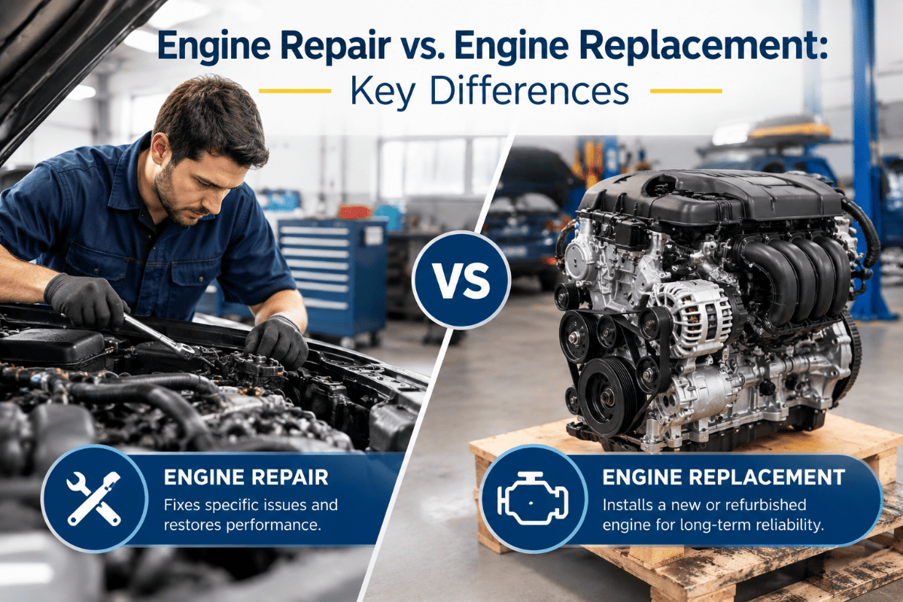
Compare engine repair vs. replacement, including costs, warning signs, benefits, and timelines. Get expert engine diagnostics at Muffler Man of Portage.

Get essential fall car maintenance tips to prepare for Michigan winter. Check your battery, tires, brakes, fluids, and more with this simple checklist.

Learn about different engine oil types, their benefits, and how to choose the right oil for your car to protect your engine and improve performance.
Discover the benefits of regular brake inspections, from safer stops to lower repair costs. Schedule a professional brake inspection in Portage, MI, today.

Follow these 10 car maintenance tips to prevent major repairs, improve vehicle safety, and save money with regular auto maintenance in Portage, MI.
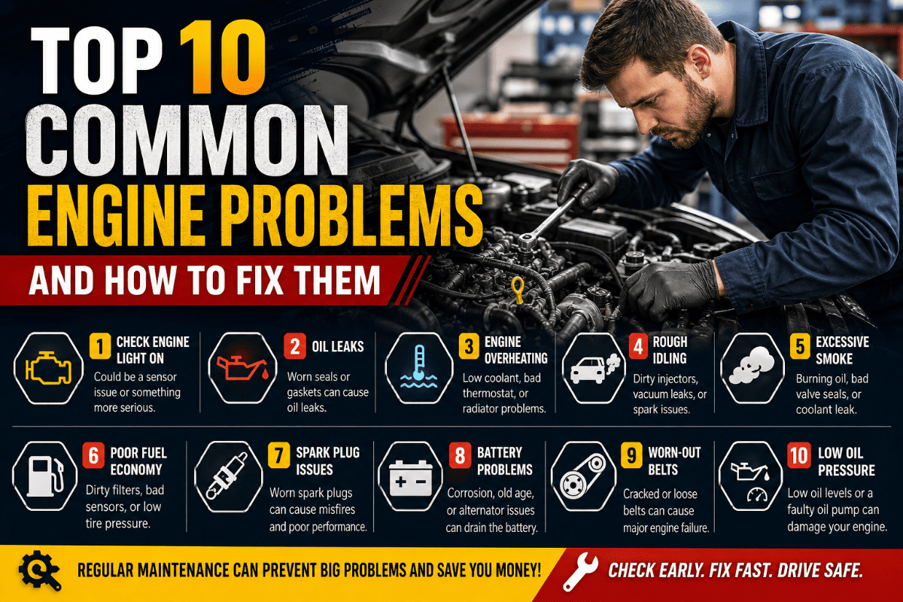
Discover 10 common engine problems, their warning signs, and practical fixes. Learn when to seek professional engine diagnostics to prevent costly repairs.
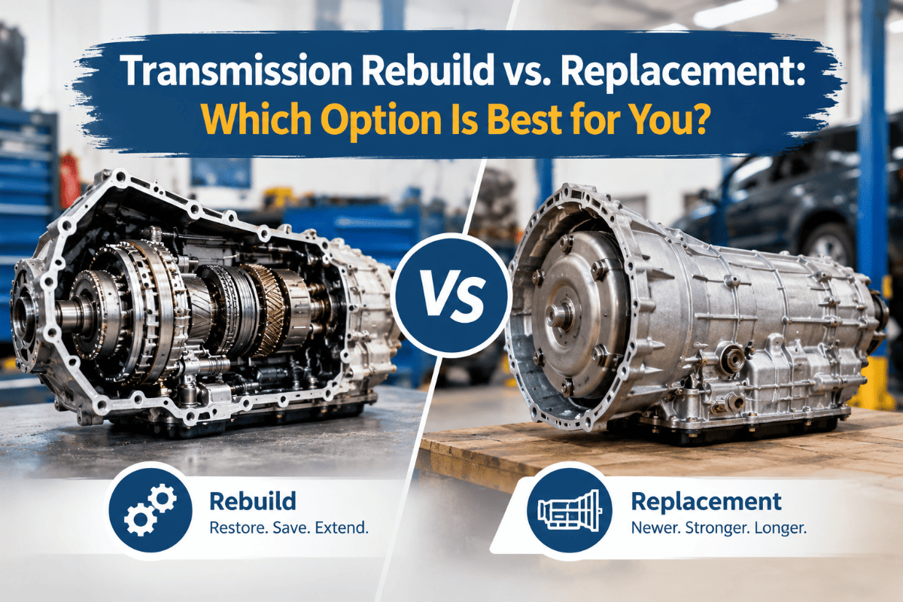
Compare transmission rebuild vs. replacement, including costs, benefits, repair time, and reliability. Get expert transmission service in Portage, MI.

Learn the common signs and causes of radiator problems, explore repair options, and discover when to seek professional help to prevent engine overheating and costly damage.

Learn how to extend the life of your transmission with essential maintenance tips, proper driving habits, and early warning signs to watch for.
Learn the signs your vehicle needs a wheel alignment, including uneven tire wear, pulling, steering issues, and an off-center steering wheel.