Muffler Man of Portage has proudly served Portage, Kalamazoo, Oshtemo, and nearby Michigan communities since 2002. As a family-owned auto repair shop, the team specializes in mufflers, exhaust systems, brakes, suspension repair, diagnostics, and general automotive services. With certified technicians, advanced diagnostic tools, and a commitment to honest service, Muffler Man of Portage delivers reliable automotive repair solutions backed by years of hands-on industry experience
Picture this. You pull up to a stoplight, and the car next to you glances over. Not because of your paint job. Because your exhaust just announced your arrival from half a block away. That sound is not a quirk. It is your muffler asking for help.
Most drivers ignore early muffler warning signs because the car still drives. But a muffler repair service delayed is almost always a bigger bill later. Here is how to read what your car is telling you before it gets to that point.
How Urgent Is It? Know Before You Go
Not every muffler symptom means pull over right now. Here is a simple way to sort what you are dealing with:
Act today:
● Exhaust smell inside the cabin while driving
● Muffler visibly dragging or hanging low under the car
● Loud roaring that appeared suddenly overnight
Schedule this week:
● Consistent rattling from underneath on every drive
● Noticeable drop in gas mileage with no other explanation
● Exhaust sounds louder than it used to, but it has been gradual
Get it on your radar:
● Faint rust visible on the muffler body
● Slight sulfur or burning smell from the tailpipe
● Check engine light on with no other obvious symptoms
This is not about alarming you. It is about helping you make a smart call. Knowing where your situation falls helps you avoid both panic and procrastination, which are the two most expensive responses to a car problem.
What Each Sign Is Actually Telling You?
A Roaring or Rumbling Exhaust Noise
Your muffler's entire job is to quiet the combustion noise that travels through your exhaust pipes. When it develops a hole or a crack, that noise escapes directly into the air around your car instead of being absorbed and reduced. The result is a sound that ranges from a low rumble to a full roar depending on how bad the damage is.
This is one of the common muffler problems and solutions that shops deal with daily. A small hole caught early can often be repaired. A crack that has spread through the body of the muffler usually means replacement. Either way, the fix is straightforward when you do not let it sit.
Rattling or Clunking Under the Car
This one is easy to misread. A rattle under the car sounds like it could be anything, so many drivers chalk it up to road debris or a loose heat shield and move on. But if that rattle is consistent and shows up every time you drive, especially over bumps or when accelerating, your muffler hanger is likely broken.
Exhaust hangers are the rubber brackets that hold the muffler and exhaust pipes in place. When one snaps, the muffler shifts. It knocks against the frame, drags on rough surfaces, and puts stress on the pipe connections around it. Getting a hanger replaced is inexpensive. Waiting until the muffler drops is not.
Exhaust Fumes Getting Into the Cabin
This is the sign that moves straight to the top of the urgency list. If you can smell exhaust while driving with the windows up, something in the system is leaking, and those gases are finding a path into the passenger compartment.
Exhaust contains carbon monoxide. You cannot see it, and you cannot smell it directly, but the other gases that travel with it carry a distinct odor. Feeling drowsy, getting a headache, or noticing a faint chemical smell while driving are all serious warning signs. Pull over, get fresh air, and do not drive the car again until automotive repair experts have looked at the exhaust system. This is not a watch-and-wait situation.
Your Gas Mileage Is Quietly Dropping
This one catches people off guard because there is no dramatic sound or smell. You just noticed you are filling up more often than you used to. Your exhaust system manages back pressure, which is the balanced resistance the engine needs to run efficiently. A leak or restriction throws that balance off. The engine compensates by working harder, and that extra effort burns more fuel. If nothing else has changed in your driving habits but your mileage is down, your exhaust system is worth inspecting as part of routine vehicle maintenance tips that most drivers skip.
Rust, Holes, or Visible Damage Underneath
Mufflers take a beating from road salt, moisture, and constant heat cycles. In colder states, that combination shortens the lifespan of exhaust components considerably. If you ever get under the car or have it up on a lift, look at the muffler body. Surface rust is normal on an older vehicle. Rust that has eaten through the metal, caused flaking, or created visible holes means the muffler is past its useful life.
Physical damage from road debris or a deep pothole hit can also crack welds or dent the muffler body enough to restrict flow. Either way, what you see on the outside usually reflects something that has already been progressing for a while.
Can a Bad Muffler Trigger the Check Engine Light?
It can, and this one surprises a lot of drivers. If an exhaust leak develops near one of the oxygen sensors in the system, the sensor picks up incorrect readings and sends bad data to the engine's computer. The computer flags it as a fault and turns on the light.
Running check engine light diagnostics is how a shop determines whether the code points back to the exhaust system or something else entirely. If the code comes back as an oxygen sensor reading issue and there are no other symptoms, an exhaust leak is often the first place to look.
That Sound Is Not Going Away on Its Own. Let Us Fix It.
We have watched small muffler problems turn into full exhaust replacements simply because they were ignored for a few months too long. The repair is almost always simpler and cheaper when you catch it early. At Muffler Man in Portage, MI, exhaust systems are what we do best. Our certified technicians will inspect your system, give you a straight answer on what needs to be done, and back the work with a 24-month/24,000-mile warranty on qualifying repairs. Call us at (269) 323-1980 or stop by 106 East Centre Avenue, Portage, MI 49002. Do not let a rattle turn into a bill you did not see coming.
Frequently Asked Questions
What are the signs of a bad muffler?
The clearest signs are a loud roaring exhaust noise, rattling from underneath the car, exhaust fumes entering the cabin, visible rust or holes, and declining fuel economy. Multiple signs together usually mean the muffler needs repair or replacement soon.
How do I know if my muffler needs repair?
If your car is louder than usual, smells like exhaust inside, rattles on every drive, or is burning through gas faster than normal, those are reliable indicators. A visual inspection at a shop can confirm the extent of the damage.
Can I drive with a damaged muffler?
Short distances may be okay if the only symptom is noise. But if you smell exhaust inside the car, or the muffler is visibly loose or dragging, stop driving it. Exhaust fumes in the cabin are a health risk, and a dragging muffler is a road hazard.
What causes a muffler to fail?
Corrosion from road salt and moisture is the leading cause, especially in colder climates. Physical damage from road debris, broken exhaust hangers, and simple age also contributes. Most mufflers last between five and seven years, depending on driving conditions.
Does a bad muffler affect fuel economy?
Yes. A leaking or restricted muffler disrupts the exhaust back pressure your engine relies on. The engine works harder to compensate, which uses more fuel. A noticeable drop in miles per gallon with no other cause is worth tracing back to the exhaust system.


Learn the common signs and causes of radiator problems, explore repair options, and discover when to seek professional help to prevent engine overheating and costly damage.

Learn how to extend the life of your transmission with essential maintenance tips, proper driving habits, and early warning signs to watch for.
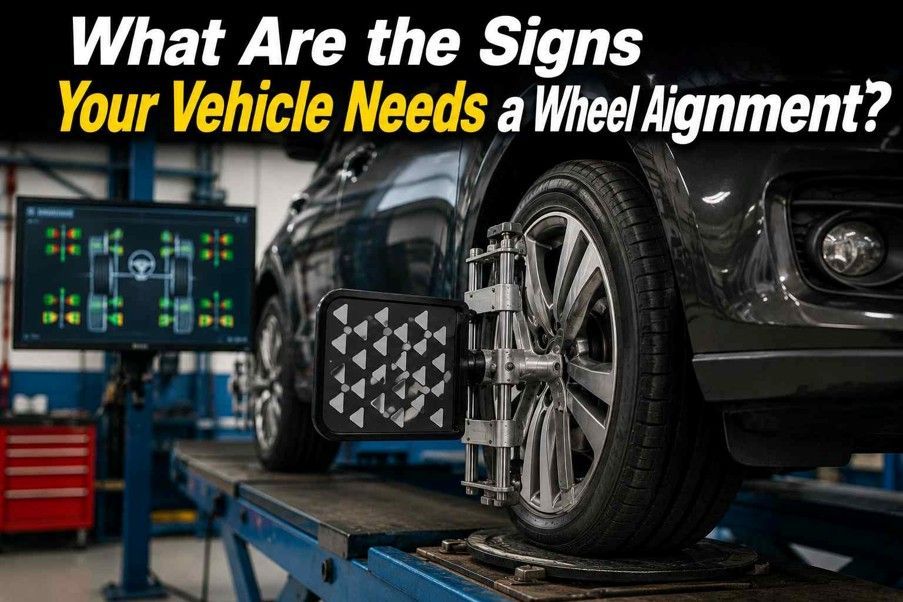
Learn the signs your vehicle needs a wheel alignment, including uneven tire wear, pulling, steering issues, and an off-center steering wheel.
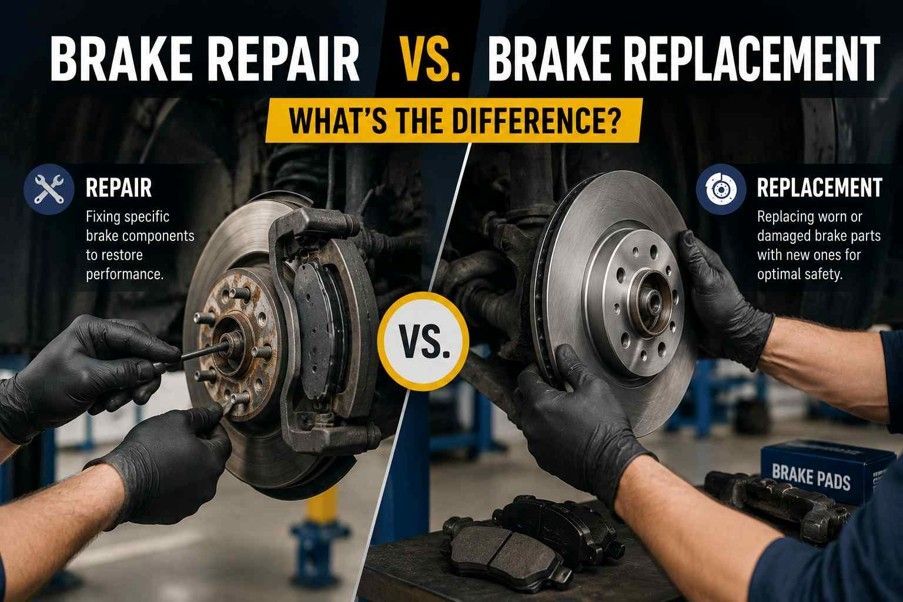
Learn the difference between brake repair and brake replacement, when each option may be needed, and the warning signs that your vehicle's brakes need attention.
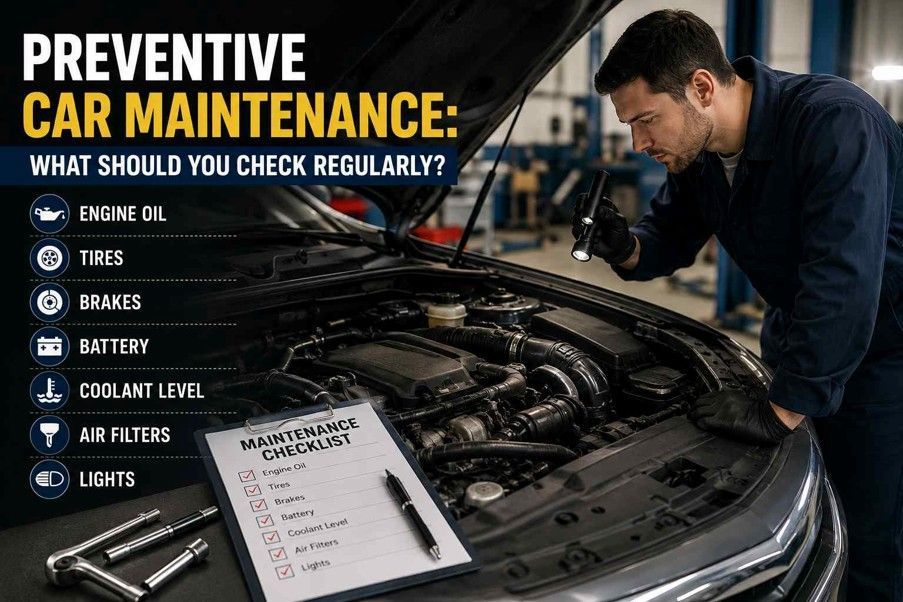
Learn what to check regularly with preventive car maintenance, including fluids, brakes, tires, batteries, and other key components to help avoid costly repairs.
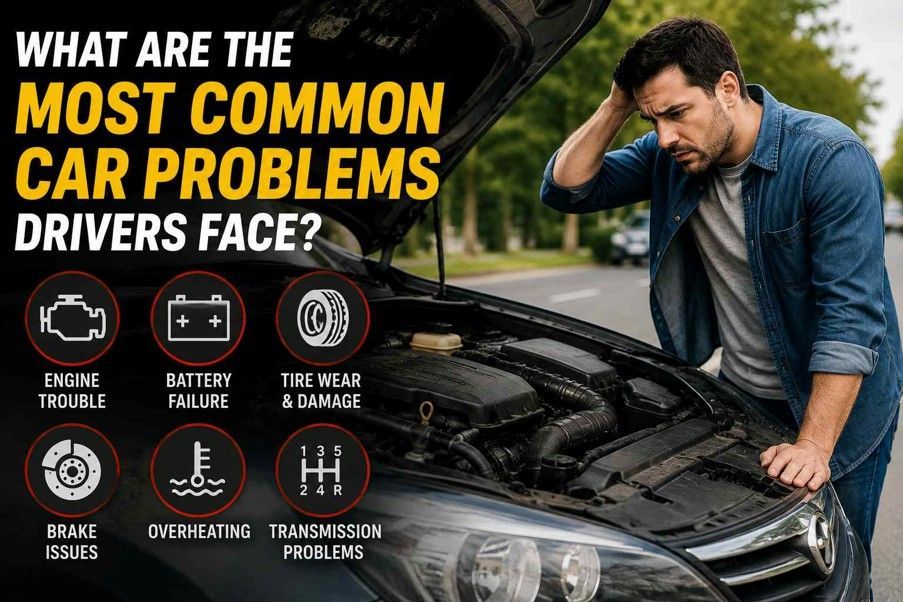
Discover the most common car problems drivers face, from brake and battery issues to engine, tire, and transmission problems, plus signs to watch for.

Why is your car losing power while accelerating? Learn the common causes, warning signs, and when to seek professional auto repair to restore performance.
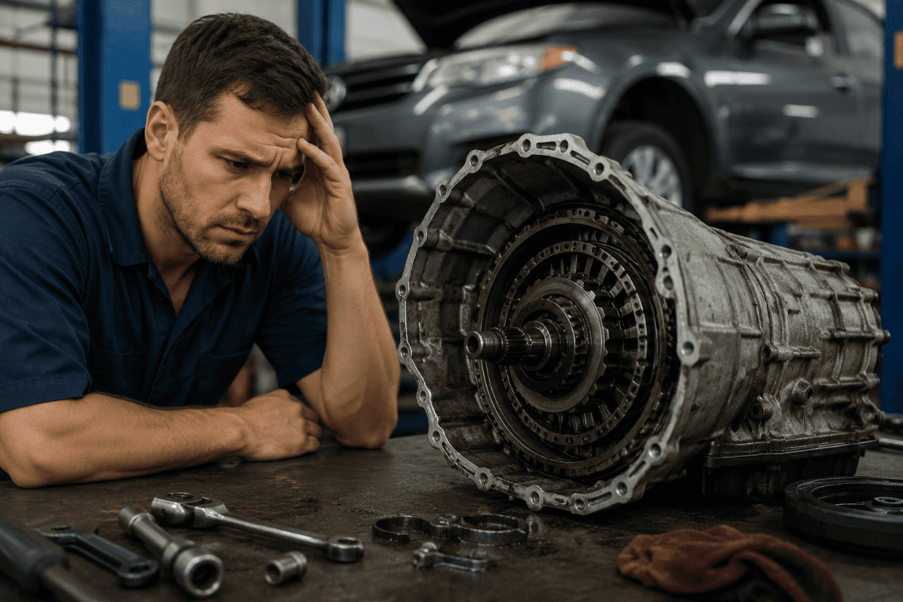
Learn why your transmission is slipping, common causes, warning signs, repair options, and when to seek professional transmission repair.
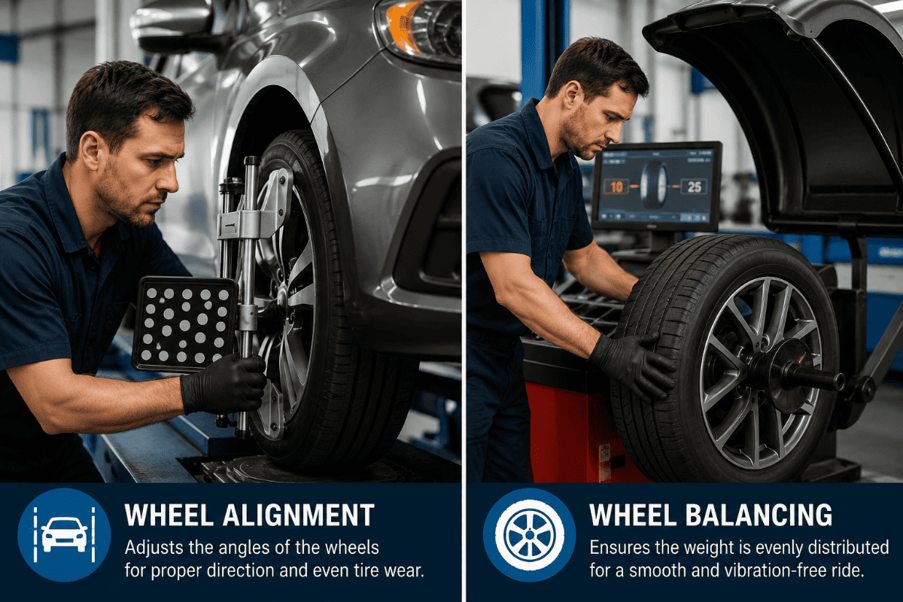
Learn the difference between wheel alignment and wheel balancing, common warning signs, key benefits, and when each service is needed for safer driving.

Learn why brake inspections before long road trips are essential. Discover warning signs, inspection tips, and how to keep your vehicle safe on every drive.