Muffler Man of Portage has proudly served Portage, Kalamazoo, Oshtemo, and nearby Michigan communities since 2002. As a family-owned auto repair shop, the team specializes in mufflers, exhaust systems, brakes, suspension repair, diagnostics, and general automotive services. With certified technicians, advanced diagnostic tools, and a commitment to honest service, Muffler Man of Portage delivers reliable automotive repair solutions backed by years of hands-on industry experience
That sudden bang from your tailpipe is hard to ignore. Maybe it happened when you stepped on the gas. Maybe it was when you lifted your foot off the accelerator. Either way, it got your attention. A car that backfires is not just loud; it is telling you something is off under the hood.
Exhaust system problems like backfiring were far more common in older carbureted cars. Modern fuel-injected vehicles are much more precise, but they are not immune. When something disrupts the normal combustion process, unburned fuel can escape into the exhaust system and ignite there instead. That is what causes the pop, bang, or crackle you hear.
What Is an Exhaust Backfire?
Before we get into causes, it helps to understand what is actually happening. Normally, your spark plug ignites fuel inside the engine cylinder at exactly the right moment. That controlled explosion pushes the piston and powers your car forward.
A backfire happens when fuel does not burn at the right time or in the right place. Instead of burning inside the cylinder, unburned fuel travels into the exhaust system. The heat or oxygen already in the exhaust causes it to ignite there, creating that sharp bang. Sometimes you may even see a small flame from the tailpipe.
Common Causes of Exhaust Backfires
1. Rich or Lean Air-Fuel Mixture
Your engine needs a precise balance of air and fuel to run cleanly. When the mixture is too rich, meaning too much fuel is present, not all of it burns inside the cylinder. That leftover fuel travels into the exhaust and ignites from the heat. When the mixture is too lean, meaning not enough fuel, the engine misfires, and fuel can still end up in the exhaust.
Both conditions are considered engine performance problems and usually point to a sensor, injector, or fuel system issue that needs professional attention.
2. Ignition Timing Issues
Timing matters in an engine. The spark plug needs to fire at exactly the right moment during the compression cycle. If it fires too late, fuel is still burning as it exits the cylinder and enters the exhaust, which causes a backfire.
Timing problems can result from a worn timing chain, a faulty crankshaft position sensor, or issues with the engine control module. This is one of those cases where how professional diagnostics can identify the cause makes a real difference. A scanner alone will not catch everything.
3. Worn Spark Plugs or Faulty Ignition Wires
Spark plugs wear out over time. When they do, they may not fire reliably or may produce a weak spark. That means fuel does not fully ignite inside the cylinder. The unburned fuel then exits into the exhaust system, where it combusts and causes a backfire or a series of pops.
This is one of the most preventable causes. Keeping up with preventive vehicle maintenance and replacing spark plugs on schedule significantly reduces this risk.
4. Exhaust System Leaks
A crack or loose connection in the exhaust system can let outside air into the pipes. Exhaust gases normally carry very little oxygen, but when fresh air sneaks in, it creates a condition where leftover fuel can ignite more easily. The result is a pop or bang, often when decelerating or shifting gears.
Routine vehicle inspection services can catch exhaust leaks before they cause other damage like a failed catalytic converter or damaged oxygen sensors.
5. Failing Oxygen Sensor or Mass Airflow Sensor
Your engine relies on sensors to get real-time data about air and fuel levels. The oxygen sensor monitors what is coming out of the exhaust. The mass airflow sensor measures how much air enters the engine. If either sensor sends bad data, the engine's computer adjusts the fuel mixture incorrectly.
A miscalibrated mixture leads to incomplete combustion, which is one of the more subtle common causes of exhaust backfires in modern vehicles. The fix usually involves replacing the faulty sensor and recalibrating the system.
6. Faulty Fuel Injectors
Fuel injectors spray fuel into the engine in a precise mist at exactly the right moment. If an injector is clogged or leaking, fuel delivery becomes uneven. Too much fuel in one cylinder and not enough in another can cause misfires, and those misfires can lead to backfiring.
Car exhaust repair paired with injector cleaning or replacement addresses both the symptom and the source.
Will a Check Engine Light Come On If My Car Backfires?
In most cases, yes. If the backfire is caused by a misfire, sensor failure, or timing problem, your vehicle's onboard computer will likely store a fault code and illuminate the check engine light. However, not all backfires trigger a code right away. A single event may not be enough to set the light, but repeated backfires usually will. Either way, a professional diagnostic scan is the right first step.
Signs Your Vehicle May Be About to Backfire
Backfires rarely happen without warning. Many drivers notice performance issues before they ever hear a loud pop from the exhaust. Recognizing these symptoms early can help prevent more expensive repairs.
Common warning signs include:
- Rough or unstable idling
- Engine hesitation during acceleration
- Reduced fuel economy
- Loss of power
- Strong fuel smell from the exhaust
- Engine misfires
- Check engine light illumination
- Popping sounds when slowing down
If you notice one or more of these symptoms, it is a good idea to schedule diagnostics before the problem worsens.
Does Your Car Backfire During Acceleration or Deceleration?
The timing of the backfire often provides valuable clues about the underlying issue.
Backfire During Acceleration
When a vehicle backfires while accelerating, the cause is often related to incomplete combustion under increased engine load. Common causes include:
- Rich air-fuel mixtures
- Faulty fuel injectors
- Weak ignition coils
- Worn spark plugs
- Ignition timing problems
Because the engine demands more fuel during acceleration, any issue that prevents proper combustion can allow unburned fuel to enter the exhaust system.
Backfire During Deceleration
If the popping or banging occurs when you release the accelerator, the cause is usually different. Common culprits include:
- Exhaust leaks
- Lean air-fuel mixtures
- Vacuum leaks
- Faulty oxygen sensors
- EGR system problems
During deceleration, changes in airflow and fuel delivery can create conditions where leftover fuel ignites inside the exhaust system.
Are Exhaust Backfires Ever Normal?
For most passenger vehicles, backfiring is not considered normal and should be inspected.
However, some performance cars and modified vehicles are intentionally tuned to produce popping and crackling sounds. This practice, often called "burble tuning" or "crackle tuning," alters ignition timing and fuel delivery to create controlled combustion in the exhaust system.
While these sounds may be desirable in certain performance applications, excessive backfiring can still shorten the lifespan of catalytic converters, oxygen sensors, and other exhaust components. For daily drivers, a new or unexpected backfire should always be treated as a warning sign.
How Technicians Diagnose Exhaust Backfires
Because several systems can cause backfiring, finding the root problem requires more than simply replacing parts.
Professional technicians typically perform:
- Computerized diagnostic scans
- Fuel pressure testing
- Ignition system inspections
- Spark plug evaluations
- Oxygen sensor testing
- Exhaust leak inspections
- Live engine data analysis
Professional diagnostics help identify the exact cause and prevent unnecessary repairs.
What Happens If You Ignore a Backfire?
Many drivers assume an occasional pop is harmless. While a single backfire may not cause immediate damage, repeated backfires can become costly.
Ignoring the problem may lead to:
- Catalytic converter failure
- Damaged oxygen sensors
- Cracked exhaust components
- Reduced fuel efficiency
- Increased emissions
- Poor engine performance
- More expensive repairs later
Addressing the issue early is usually the most affordable solution and helps protect both your engine and exhaust system.
Is a Backfire Dangerous?
One backfire is unlikely to destroy your car. But repeated backfiring causes real damage over time. It can crack or melt exhaust components from repeated bursts of heat. It can destroy an oxygen sensor or catalytic converter, both of which are expensive to replace. It also reduces fuel efficiency and can make the car harder to drive smoothly.
If flames are visible from the tailpipe, that is a fire hazard and should be treated urgently, especially if you park indoors or in tight spaces. Getting expert exhaust system repair done before the damage spreads is always the smarter and cheaper route.
Hear a Bang From Your Exhaust? Let Us Check It Out
Do not wait for a one-time backfire to turn into a bigger problem. At Muffler Man in Portage, MI, we specialize in diagnosing exactly what is going on with your exhaust and engine. Our certified technicians use expert exhaust system repair techniques and professional diagnostic tools to identify the root cause, whether it is a sensor issue, ignition problem, or something in your exhaust line. We offer transparent pricing, fast turnarounds, and a 24-month/24,000-mile warranty on qualifying repairs.
If your car is popping, banging, or misfiring, bring it in before the damage spreads. Call us at (269) 323-1980 or visit us at 106 East Centre Avenue, Portage, MI 49002. Schedule your vehicle inspection services appointment today, and let us take care of it right.
Frequently Asked Questions
What causes a car to backfire through the exhaust?
A car backfires when unburned fuel ignites inside the exhaust system instead of the engine. This happens due to a wrong air-fuel mixture, late ignition timing, worn spark plugs, exhaust leaks, or failing sensors.
Is exhaust backfiring bad for your engine?
Yes, over time. Repeated backfiring can damage the catalytic converter, oxygen sensors, and exhaust pipes. It also signals an underlying engine issue that will likely get worse and more costly if ignored.
Can bad spark plugs cause an exhaust backfire?
Absolutely. Worn spark plugs produce weak or inconsistent sparks, leaving fuel unburned in the cylinder. That fuel exits into the exhaust and ignites from residual heat, causing a pop or bang.
What does it mean when your exhaust pops loudly?
A loud pop from the exhaust usually means unburned fuel is combusting in the exhaust system. It can happen during acceleration or deceleration and is often linked to timing issues, misfires, or a rich fuel mixture.
Can a fuel injector problem cause backfiring?
Yes. A leaking or clogged injector delivers fuel unevenly, which can cause misfires. Those misfires send unburned fuel into the exhaust, where it ignites and produces the characteristic backfire sound.


Learn the common signs and causes of radiator problems, explore repair options, and discover when to seek professional help to prevent engine overheating and costly damage.

Learn how to extend the life of your transmission with essential maintenance tips, proper driving habits, and early warning signs to watch for.
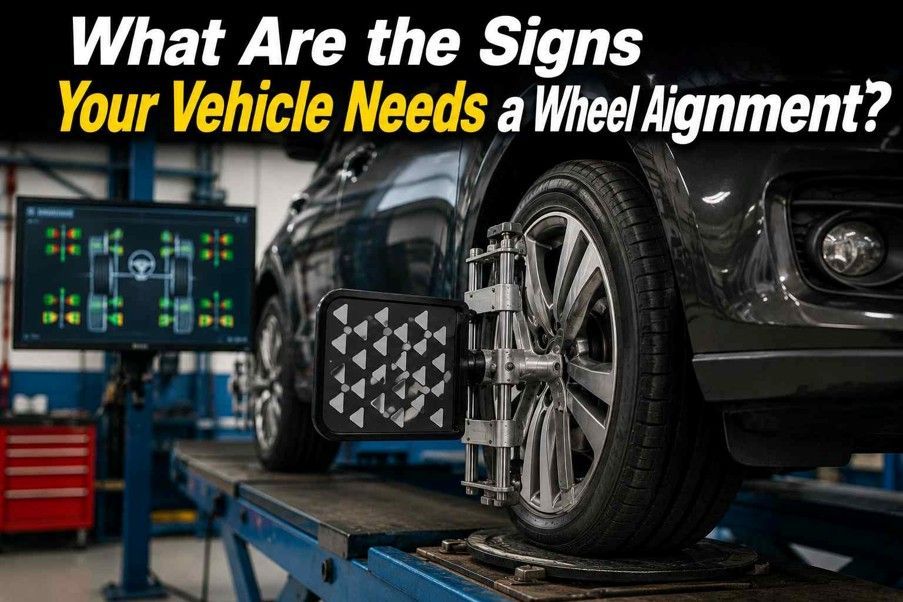
Learn the signs your vehicle needs a wheel alignment, including uneven tire wear, pulling, steering issues, and an off-center steering wheel.
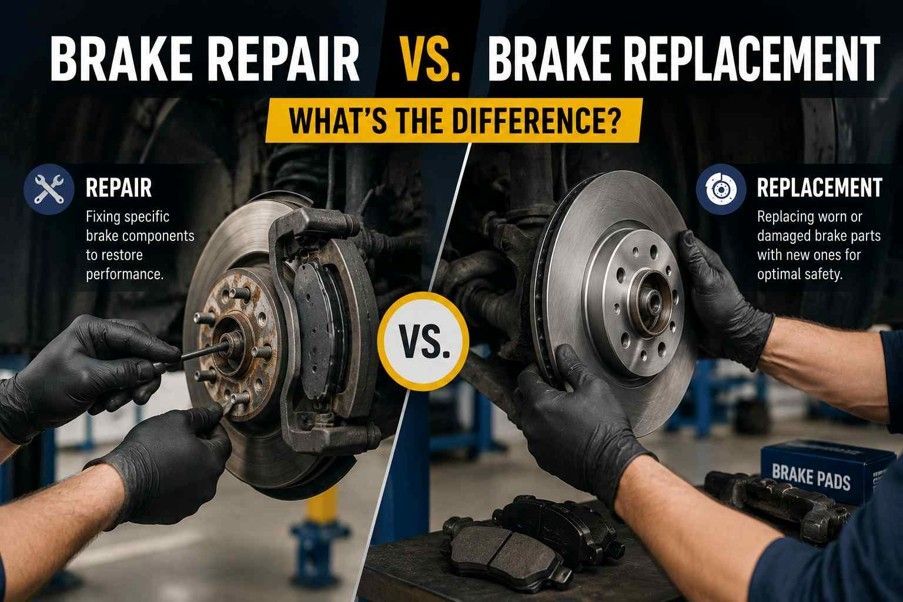
Learn the difference between brake repair and brake replacement, when each option may be needed, and the warning signs that your vehicle's brakes need attention.
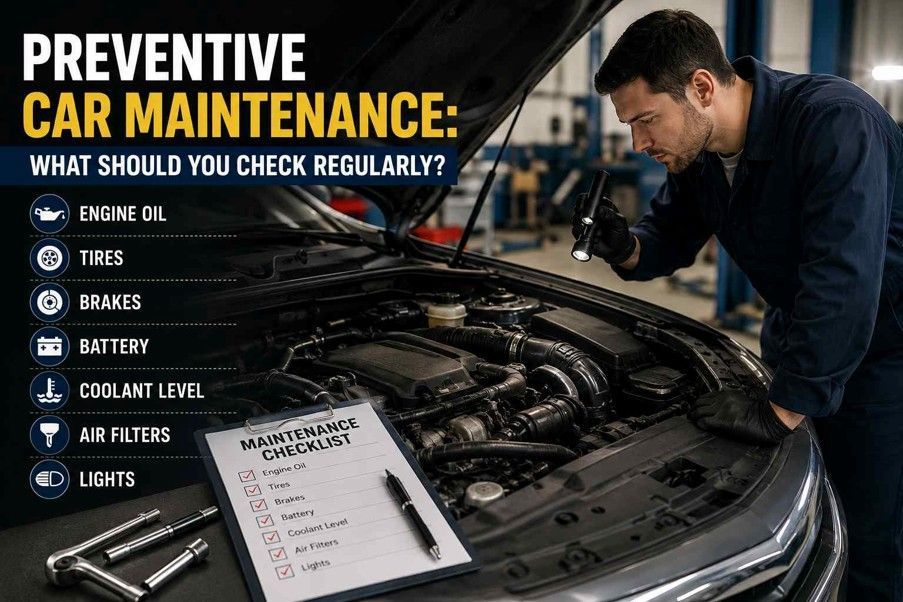
Learn what to check regularly with preventive car maintenance, including fluids, brakes, tires, batteries, and other key components to help avoid costly repairs.
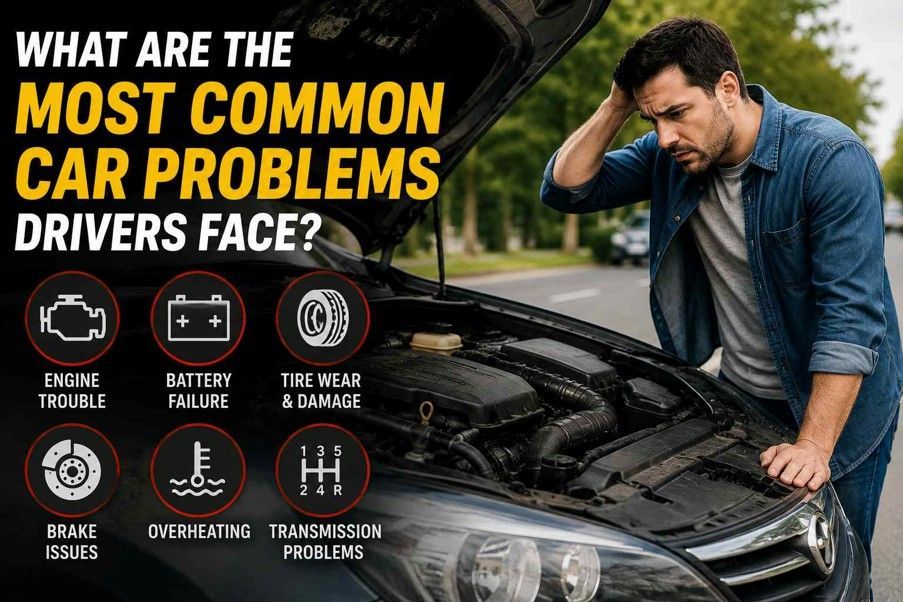
Discover the most common car problems drivers face, from brake and battery issues to engine, tire, and transmission problems, plus signs to watch for.
Why is your car losing power while accelerating? Learn the common causes, warning signs, and when to seek professional auto repair to restore performance.
Learn why your transmission is slipping, common causes, warning signs, repair options, and when to seek professional transmission repair.
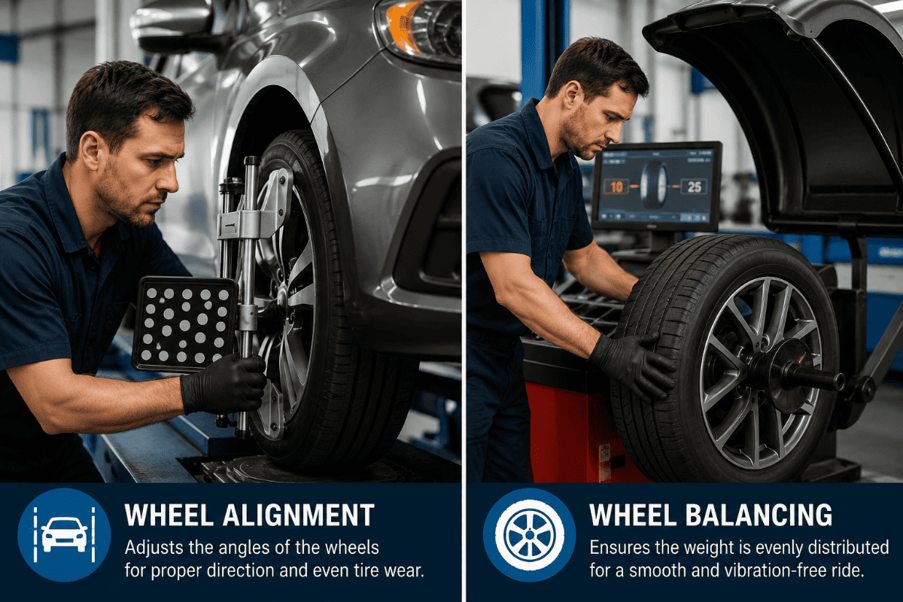
Learn the difference between wheel alignment and wheel balancing, common warning signs, key benefits, and when each service is needed for safer driving.

Learn why brake inspections before long road trips are essential. Discover warning signs, inspection tips, and how to keep your vehicle safe on every drive.