Muffler Man of Portage has proudly served Portage, Kalamazoo, Oshtemo, and nearby Michigan communities since 2002. As a family-owned auto repair shop, the team specializes in mufflers, exhaust systems, brakes, suspension repair, diagnostics, and general automotive services. With certified technicians, advanced diagnostic tools, and a commitment to honest service, Muffler Man of Portage delivers reliable automotive repair solutions backed by years of hands-on industry experience
Your car talks to you. Most drivers just aren't listening. A grinding noise, a weird smell, or a light on the dashboard, these aren't random. They're your vehicle's way of saying something is wrong. Understanding what the signs your car needs immediate repair early can be the difference between a $150 fix and a $1,500 repair.
We've put together this guide to help you spot the signs fast, understand what they mean, and know exactly what to do next.
Common Signs Your Vehicle Requires Urgent Attention
1. Grinding Noises When You Slow Down
Grinding is never a sound you want to ignore. When you hear it while braking, your brake pads have most likely worn all the way down to the metal.
What it usually means:
● Brake pads are fully worn out
● Metal-on-metal contact is damaging your rotors
● Wheel bearings or transmission components may also be the source
Why it's urgent: Worn brakes reduce your stopping power significantly. The longer you wait, the more you damage the rotors, which turns a simple pad replacement into a much more expensive job.
2. Tapping or Knocking From the Engine
A knocking or tapping sound from under the hood is one of the more serious common car problems you can run into. It usually points to internal engine trouble.
What it usually means:
● Low oil pressure or dirty oil not lubricating properly
● Worn engine bearings or pistons
● Timing chain or transmission issues in some cases
Why it's urgent: If engine knock is ignored, it can lead to complete engine seizure. That's not a repair, that's a replacement. Catching it early saves thousands.
3. Vibrations or Shaking While Driving
If your car shakes at highway speeds or while braking, something is off with your tires, suspension, or brakes.
What it usually means:
● Unbalanced or unevenly worn tires
● Worn suspension components or loose wheel bearings
● Warped brake rotors (if the shaking happens specifically when braking)
What to check first: Feel where the shaking comes from. Steering wheel vibration often points to front tire or alignment issues. Shaking through the seat usually means rear tires or suspension.
4. Sweet Smell From Your Car
A sweet, almost syrupy smell coming from your car is not a good thing, even if it doesn't smell dangerous. This is almost always a coolant leak.
What it usually means:
● A hose, radiator, or water pump is leaking coolant
● The heater core may be failing
● In the worst cases, coolant is leaking internally through a blown head gasket
Why it's urgent: Coolant keeps your engine from overheating. Even a small leak can cause the engine to overheat quickly, leading to a blown head gasket, one of the most expensive repairs on any vehicle.
5. Burning Rubber Smell While Driving
A burning rubber smell is a sign that something is overheating or slipping.
What it usually means:
● A serpentine belt is worn and slipping on a pulley
● The alternator or water pump is seizing up
● An overheating component is burning near the rubber parts
What happens next if you ignore it: You could lose power steering, your battery could stop charging, or your engine could overheat. All of these leave you stranded.
6. Fluid Puddles Under Your Parked Car
Get into the habit of glancing under your car when you back out of the driveway. A puddle or stain tells you a lot.
How to read the puddle:
● Clear water near the front — usually AC condensation, normal in summer
● Dark brown or black puddle — engine oil leak, needs immediate attention
● Reddish fluid — transmission fluid, affects gear shifting
● Clear or light yellow fluid — brake fluid, this is a serious safety concern
● Bright green or orange fluid — coolant, signals a cooling system leak
Even a small leak can become a big problem fast. Fluid levels dropping without warning is one of the clearest car repair warning signs out there.
7. Engine Running Rough or Misfiring
If your car idles unevenly, shakes at a red light, or hesitates when you accelerate, your engine isn't firing right.
What it usually means:
● Worn or fouled spark plugs (one of the most common fixes)
● A failing fuel injector is not delivering enough fuel
● A dirty or clogged air filter is restricting airflow
● A failing mass airflow sensor or oxygen sensor
Why it matters beyond the engine: A misfiring engine forces unburned fuel into your exhaust system, which can destroy your catalytic converter. A catalytic converter replacement alone can cost $1,000 or more.
8. Steering Wheel Shaking When You Brake
This one is specific. If your steering wheel shakes only when you apply the brakes, your rotors are almost certainly warped.
What causes rotor warping:
● Repeated hard stops (common on hilly roads or towing)
● Overheating from riding the brakes
● Uneven brake pad wear over time
What it means for safety: Warped rotors reduce braking consistency. You may not stop as quickly as you expect — especially in an emergency. This is not a "get to it eventually" repair.
9. Your Car Pulls to One Side
A properly aligned car should drive straight with minimal steering input. If yours drifts or pulls to one side, it's flagging a real issue.
What it usually means:
● Wheel alignment is off, often after hitting a pothole or curb
● One tire is significantly underinflated
● A worn tie rod, ball joint, or suspension component is the cause
What gets damaged over time: Uneven tire wear accelerates fast when alignment is off. You could lose thousands of miles of tire life — and in severe cases, a worn steering component can fail while driving.
10. Check Engine Light Issues and Other Dashboard Warnings
Your dashboard lights are your car's built-in diagnostic system. When they come on, they mean something.
Lights you should never ignore:
| Warning Light | What It Often Means |
|---|---|
| Check engine (solid) | Emissions or sensor issue needs diagnosis |
| Check engine (flashing) | Active misfire, pull over, do not drive |
| ABS light | Anti-lock braking system fault, safety risk |
| Oil pressure light | Stop immediately, risk of engine damage |
| Battery light | A charging system failure could leave you stranded |
| Temperature warning | Engine overheating, pull over now |
About check engine light issues specifically: A flashing check engine light means an active misfire is happening right now. Driving on it can destroy your catalytic converter within miles. A solid light is less urgent but still needs a diagnostic scan.
What Happens If You Ignore Car Warning Signs?
This is where small problems become expensive ones. Ignoring early symptoms doesn't make them go away; it makes them worse.
● A worn brake pad ($150 fix) becomes a rotor replacement ($400+)
● A coolant leak ($100 hose) becomes a blown head gasket ($1,500+)
● A misfiring engine ($80 spark plugs) destroys a catalytic converter ($1,000+)
● An alignment issue ($80) chews through a new set of tires ($600+)
Most major breakdowns start as a minor issue someone put off. The math almost always favors fixing it early.
Schedule Your Repair at Muffler Man in Portage, MI
If any of these signs sound familiar, don't wait. We know how stressful car trouble can be, and we're here to make it as straightforward as possible. At Muffler Man in Portage, MI, our certified technicians have been providing expert auto repair services to this community since 2002. As a trusted ASE-certified auto repair shop, we use advanced diagnostics to find the real problem, not just a temporary fix.
Every qualifying repair comes backed by our 24-month/24,000-mile warranty. We offer transparent pricing, quick turnarounds, and financing options so cost doesn't stop you from staying safe on the road. Call us at (269) 323-1980 or stop by at 106 East Centre Avenue, Portage, MI. Your car will thank you.
FAQs
How do I know if my car has serious problems?
Serious problems usually come with multiple symptoms at once, unusual noises, warning lights, fluid leaks, or changes in how your car drives or brakes. If something feels or sounds different, get it checked. Your instinct is usually right.
How can I tell if my car problem is an emergency?
It is an emergency if your brakes are grinding, any warning light is flashing, your steering feels off, you see smoke, or fluid is leaking near your wheels. Pull over safely and call a mechanic immediately.
What car noises should never be ignored?
Never ignore grinding when braking, engine knocking or tapping, loud clunking from suspension, squealing belts, or a hissing sound from under the hood. These all signal active damage happening in real time.
Why does my car shake while driving at high speeds?
High-speed shaking almost always points to unbalanced tires or worn wheel bearings. It can also mean a bent rim or a failing axle. Get a tire balance and wheel inspection done as soon as possible.
What does a burning smell from my car usually mean?
A burning rubber smell usually means a slipping belt or an overheating component like your alternator or water pump. A sweet smell means a coolant leak. A sharp, acrid smell near the wheels may mean overheated brakes.
How often should I inspect my car to prevent major repairs?
A basic inspection every 6 months or every 6,000 miles is a solid habit. Check fluids monthly, inspect tires weekly, and never let a warning light sit undiagnosed for more than a few days.


Learn the common signs and causes of radiator problems, explore repair options, and discover when to seek professional help to prevent engine overheating and costly damage.

Learn how to extend the life of your transmission with essential maintenance tips, proper driving habits, and early warning signs to watch for.
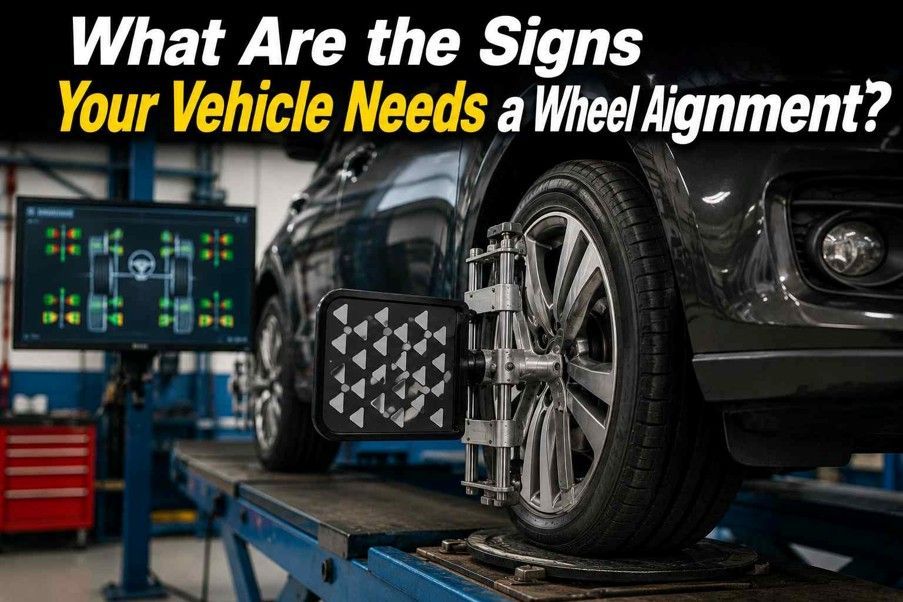
Learn the signs your vehicle needs a wheel alignment, including uneven tire wear, pulling, steering issues, and an off-center steering wheel.
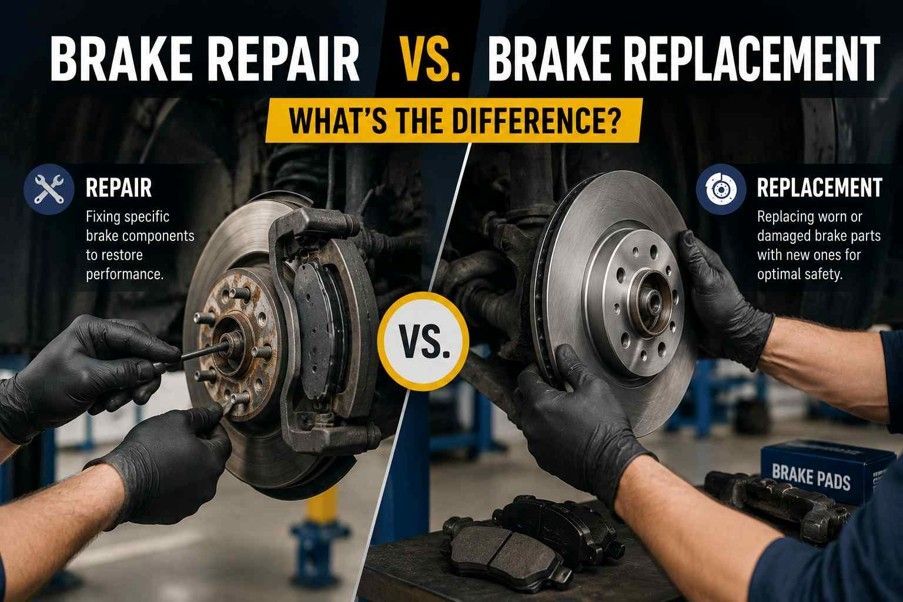
Learn the difference between brake repair and brake replacement, when each option may be needed, and the warning signs that your vehicle's brakes need attention.
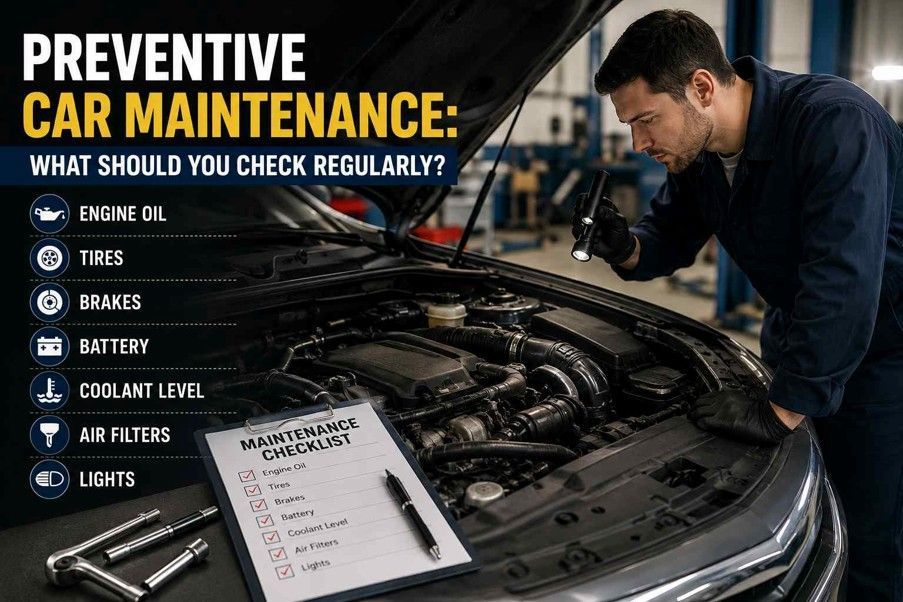
Learn what to check regularly with preventive car maintenance, including fluids, brakes, tires, batteries, and other key components to help avoid costly repairs.
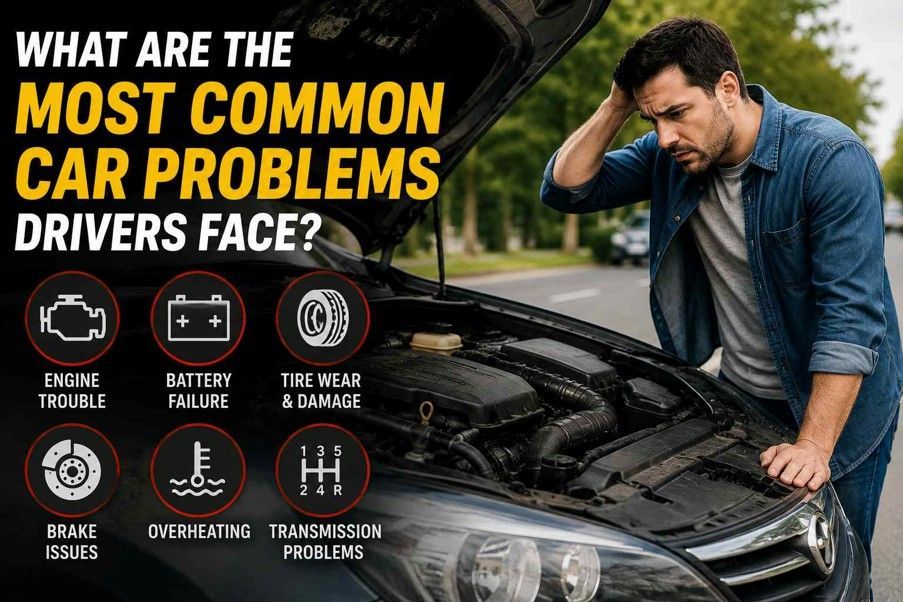
Discover the most common car problems drivers face, from brake and battery issues to engine, tire, and transmission problems, plus signs to watch for.
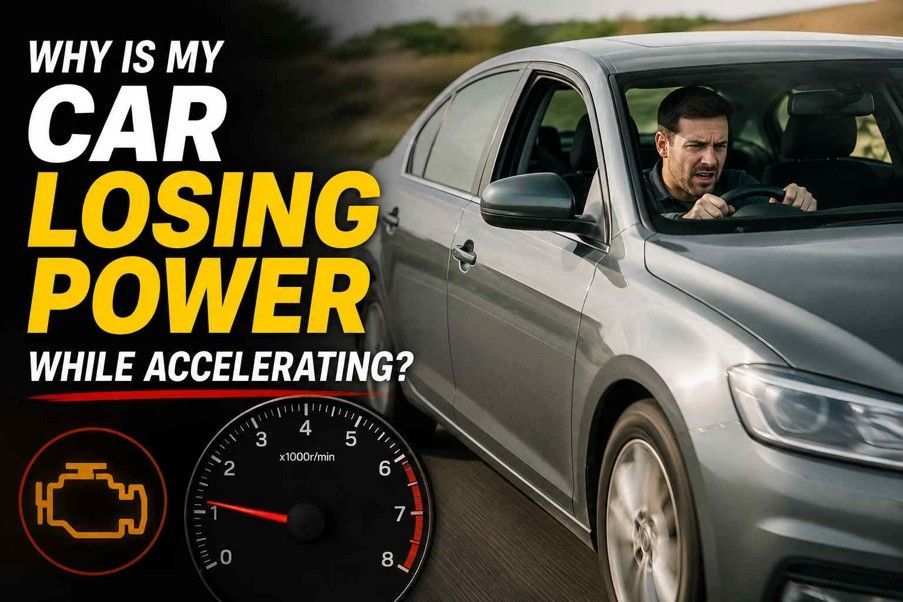
Why is your car losing power while accelerating? Learn the common causes, warning signs, and when to seek professional auto repair to restore performance.
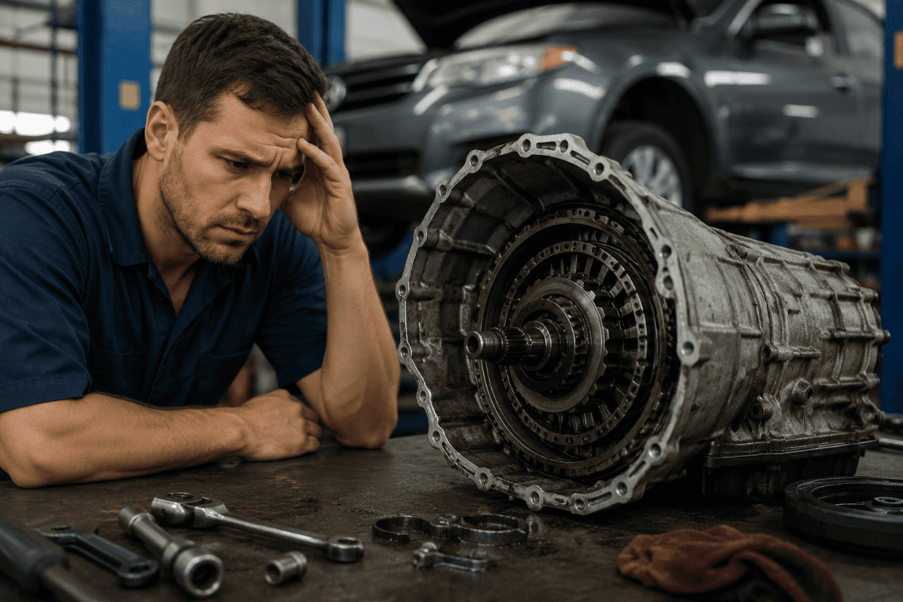
Learn why your transmission is slipping, common causes, warning signs, repair options, and when to seek professional transmission repair.
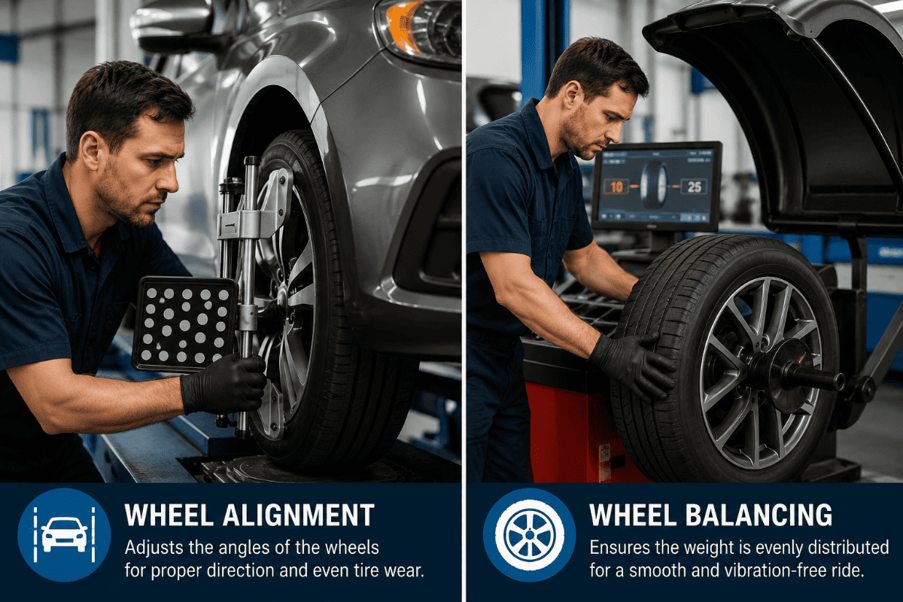
Learn the difference between wheel alignment and wheel balancing, common warning signs, key benefits, and when each service is needed for safer driving.

Learn why brake inspections before long road trips are essential. Discover warning signs, inspection tips, and how to keep your vehicle safe on every drive.