Muffler Man of Portage has proudly served Portage, Kalamazoo, Oshtemo, and nearby Michigan communities since 2002. As a family-owned auto repair shop, the team specializes in mufflers, exhaust systems, brakes, suspension repair, diagnostics, and general automotive services. With certified technicians, advanced diagnostic tools, and a commitment to honest service, Muffler Man of Portage delivers reliable automotive repair solutions backed by years of hands-on industry experience
The first hard freeze always seems to catch someone off guard. The car will not start, the washer fluid turns to ice, and the tires look low. We see this every November. A simple winter car maintenance checklist can stop most of these surprises. In this guide, we walk you through each step in plain language. You can finish most of it in one afternoon.
Why Michigan Winters Are So Hard on Cars
Our winters bring lake-effect snow, road salt, and deep cold. Each one wears down a different part of your car. Salt eats at the metal under the body. Cold drains batteries. Potholes pop up after every freeze and thaw. Good Michigan winter car care starts with knowing these three stresses. Think of winter vehicle maintenance like packing for a long trip. You do it before you leave, not on the highway.
Test the Battery First
Cold slows the chemistry inside a battery. At freezing, a healthy battery gives about two-thirds of its starting power. Near 0°F, it gives about half. Cold oil also makes the engine harder to turn.
This is why a battery that worked in October can fail in January. Smart cold-weather car maintenance includes a battery load test. Look for the cold cranking amps (CCA) number on the label. It shows how much starting power the battery has at 0°F. Also wipe any white or green crust from the terminals. If the battery is more than four years old, plan to replace it soon.
Check Coolant and Antifreeze
Coolant keeps the engine from freezing. It also feeds your heater. Most cars use a 50/50 mix of antifreeze and water, which protects the engine well below zero. Too much water weakens this protection. To winterize your car, check the coolant level while the engine is cold. The reservoir should sit between the min and max marks. Never open a hot radiator cap, because hot coolant can spray out and burn you. Your owner’s manual lists the right coolant type.
Do Not Skip the Oil
Cold makes oil thicker. Thick oil moves slowly, so engine parts get less protection at startup. Fresh oil in the right weight helps your engine start easier on frigid mornings. Your owner’s manual lists the correct grade.
If you are near your mileage limit, book an oil change service in Portage, MI before the deep freeze. Short winter trips are also harder on oil, so do not stretch the interval.
Read More : Transmission Rebuild vs. Replacement: Which Option Is Best for You?
Check Your Tires
Tread Depth
Snow needs deeper tread than rain. Try the quarter test. Place a quarter upside down in a groove. If you can see the top of Washington’s head, the tread is getting thin.
Pressure Drops in the Cold
Tire pressure falls about 1 psi for every 10°F drop in temperature. Check it when the tires are cold. Use the number on the driver’s door jamb, not the one on the tire sidewall. Winter tires stay softer in deep cold and grip better on ice. If you plan to use them, put them on in the fall.
Wipers, Washer Fluid, and Lights
One slushy drive can empty your washer tank. Replace any wipers with split rubber or streaks. Fill the tank with fluid rated for below zero. Run the old summer fluid through the lines first, so it cannot freeze in the nozzles.
Then walk around the car with the lights on. Test the headlights, brake lights, turn signals, and hazards. Clear snow from the lamps and roof before each drive.
Heater, Defroster, and Air Filter
Turn the heat to high and set the fan to defrost. You should feel warm air within a few minutes. The glass should clear evenly. Weak heat can point to low coolant or a failing part.
A clogged engine air filter can also hurt performance. It limits the air your engine needs to run well. Salt dust and dirt build up fast on winter roads. An engine air filter replacement in Portage, MI is quick, and most shops can finish it in a short visit.
Brakes and Road Salt
Salt and slush sit on brake lines, calipers, and the frame for months. Rust can seize parts and wear pads unevenly. Watch for a soft pedal, grinding noises, or a pull to one side. Any of these needs a look right away. Rinse the underside of your car after big storms. Pick a day above freezing if you can. This will not stop rust, but it slows it down.
Pack an Emergency Kit
Even careful drivers get stuck sometimes. A small kit turns a bad night into a minor delay. It is part of the essential winter maintenance for Michigan cars, and it takes ten minutes to pack.
● Jumper cables or a jump pack: A dead battery is a common winter problem, and these get you going again.
● Ice scraper, snow brush, and small shovel: They clear your glass and free your wheels from snow.
● Sand or cat litter: Pour it under the tires for grip on ice.
● Flashlight and reflective triangles: They help you see, and they help other drivers see you.
● Blankets, gloves, and hats: They keep you warm if the engine will not run.
● Water, snacks, and a phone charger: Help can take a while, so plan for a long wait.
Keep your gas tank at least half full all winter. If you get stuck, stay in the car. Keep the tailpipe clear of snow and run the engine in short bursts for heat.
What to Do Yourself and What to Hand Off
You can handle tires, wipers, fluid levels, and the kit at home. Brakes, coolant leaks, heater problems, rusted exhaust parts, and electrical faults need a lift and the right tools. If you feel unsure, ask a pro. A trusted car maintenance service in Portage, MI can check many items in one visit.
Here is our simple order for how to winterize your car in Michigan. Start in late fall, before the first hard freeze.
- Test the battery and clean the terminals.
- Check the coolant level and freeze protection.
- Change the oil if it is due.
- Inspect tire tread and set the pressure.
- Replace worn wipers and fill the washer fluid.
- Test the heater, defroster, and every light.
- Have the brakes and underbody checked for salt damage.
- Pack your emergency kit.
Let Us Help You Drive Into Winter With Confidence
Winter will arrive whether we are ready or not. A winter car maintenance checklist gives you a strong head start, and we would love to help you finish it. At Muffler Man, our family-owned team has served Portage drivers since 2002. We handle oil changes, battery replacement, brake and exhaust checks, and computer diagnostics. Most of our services come with a 24-month/24,000-mile warranty. For dependable winter auto care in Portage, MI, call us or book online today. We will help get your car ready before the first snowfall.
FAQs
What should be on a winter car maintenance checklist for Michigan drivers?
Include the battery, coolant, oil, tires, wipers, washer fluid, lights, heater, brakes, and an emergency kit. Test each item in late fall. Fix weak parts early, before the first hard freeze arrives.
How do I winterize my car in Portage, MI?
Start in late fall. Test the battery, check coolant, change old oil, inspect tires, and refresh wipers and fluid. Ask a local shop to inspect your brakes and exhaust for salt damage.
Why does cold weather make car maintenance more important?
Cold weakens batteries, thickens oil, and lowers tire pressure. Salt also speeds up rust. Small problems turn into breakdowns fast, so early checks save you stress and money.
Which parts of my vehicle should be checked before the first snowfall?
Check the battery, tires, brakes, wipers, lights, heater, and coolant first. These parts affect starting, traction, visibility, and warmth the most.
How often should I service my car during the winter months in Michigan?
Do a full check in late fall, then a quick look monthly. Check tire pressure and fluids every few weeks. Follow your owner’s manual for oil changes, and book sooner if you drive in heavy salt.

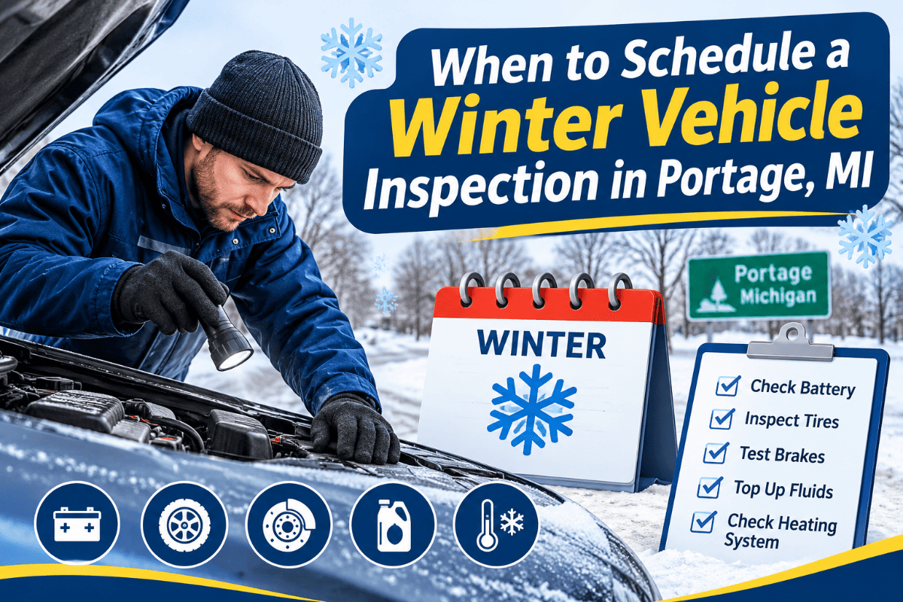
Find out when to schedule a winter vehicle inspection in Portage, MI. Check your battery, tires, brakes, fluids, and more before freezing weather arrives.
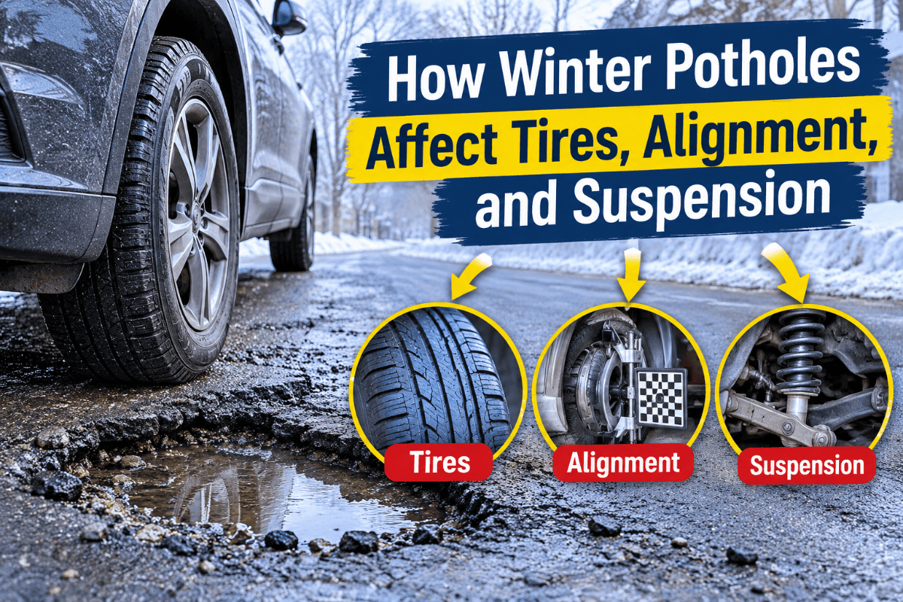
Learn how winter potholes damage tires, wheel alignment, and suspension. Discover warning signs and repair solutions from Muffler Man of Portage, MI.
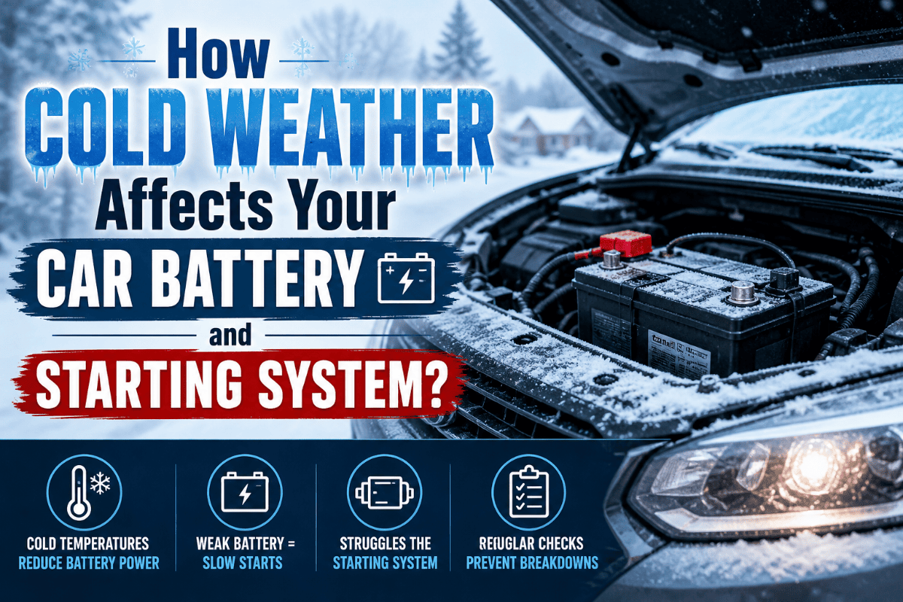
Learn how cold weather affects your car battery and starting system. Discover warning signs, winter battery maintenance tips, and when to get a battery test.
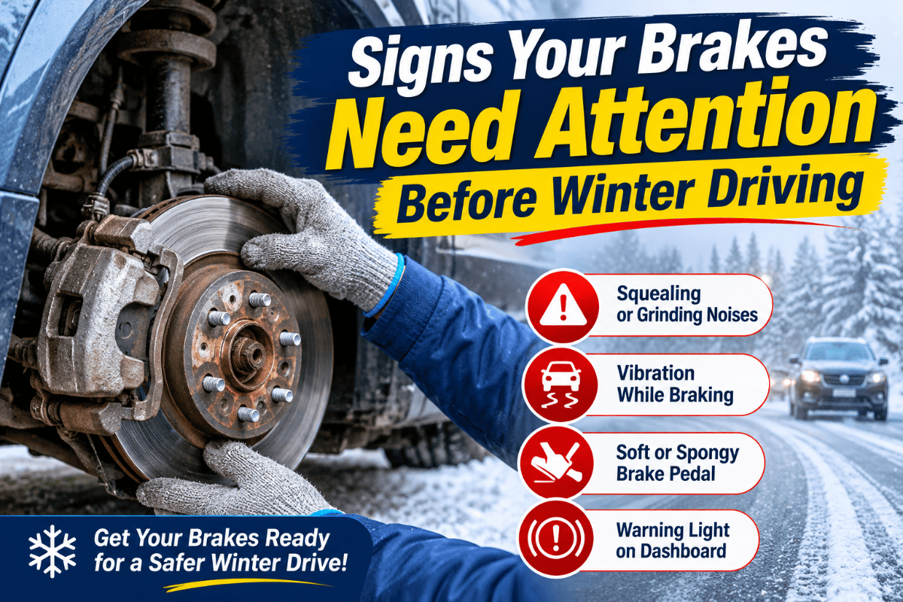
Learn the warning signs of brake problems before winter, including squealing, grinding, and soft pedals. Schedule a pre-winter brake inspection in Portage, MI.
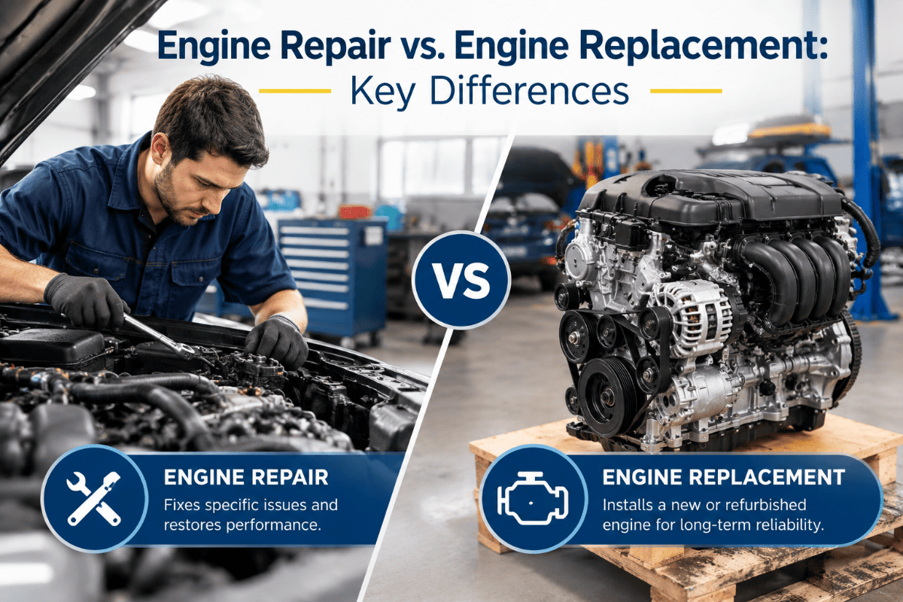
Compare engine repair vs. replacement, including costs, warning signs, benefits, and timelines. Get expert engine diagnostics at Muffler Man of Portage.
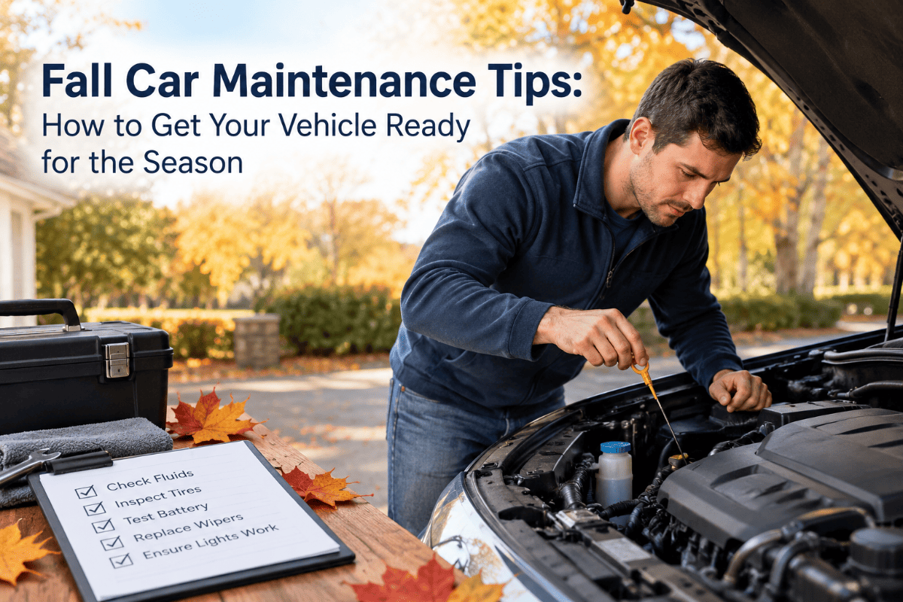
Get essential fall car maintenance tips to prepare for Michigan winter. Check your battery, tires, brakes, fluids, and more with this simple checklist.
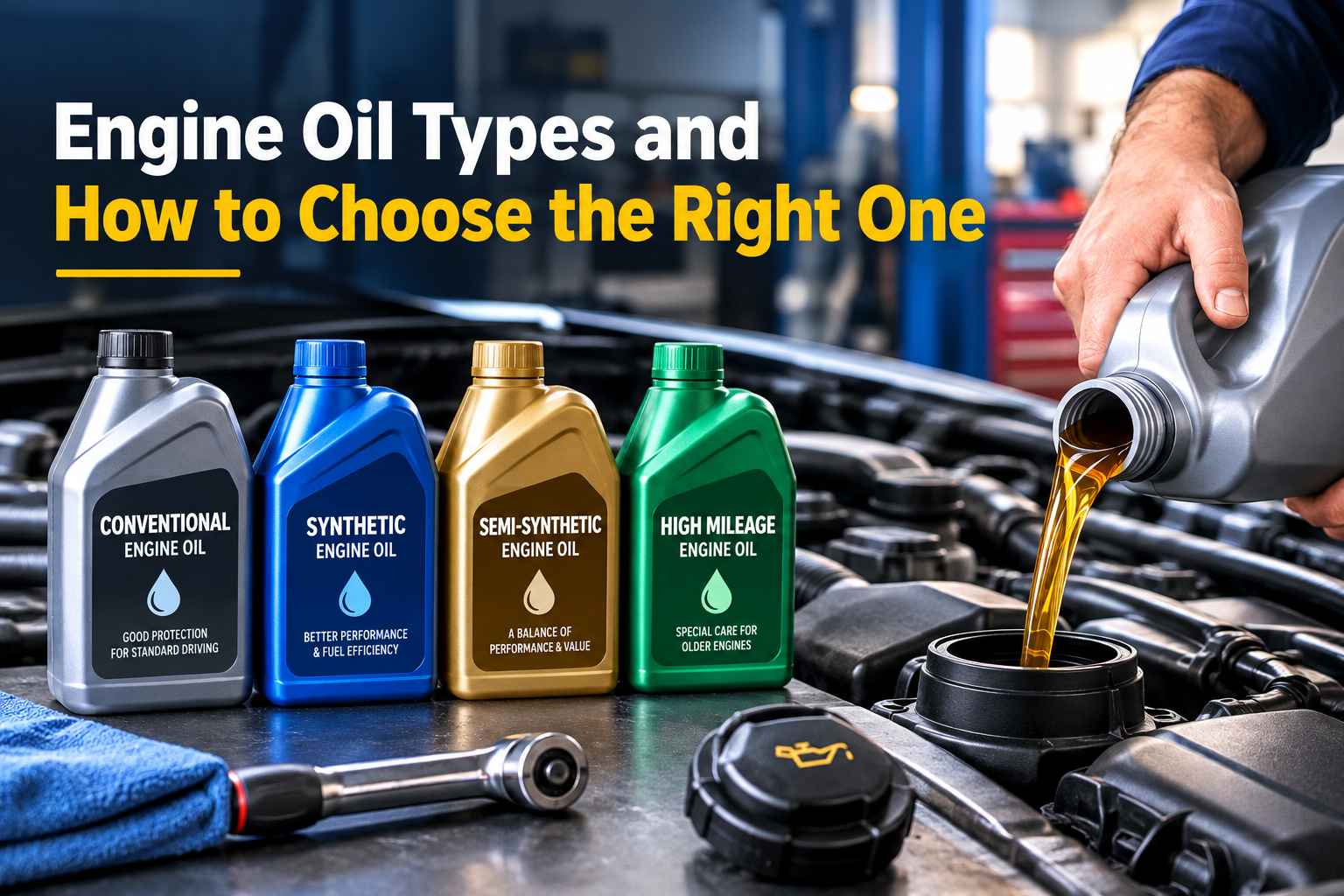
Learn about different engine oil types, their benefits, and how to choose the right oil for your car to protect your engine and improve performance.
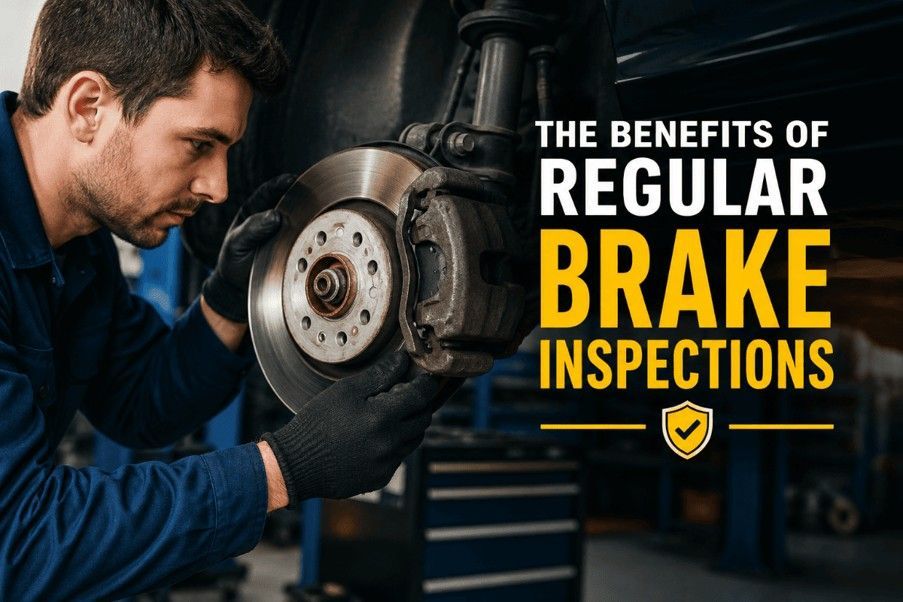
Discover the benefits of regular brake inspections, from safer stops to lower repair costs. Schedule a professional brake inspection in Portage, MI, today.
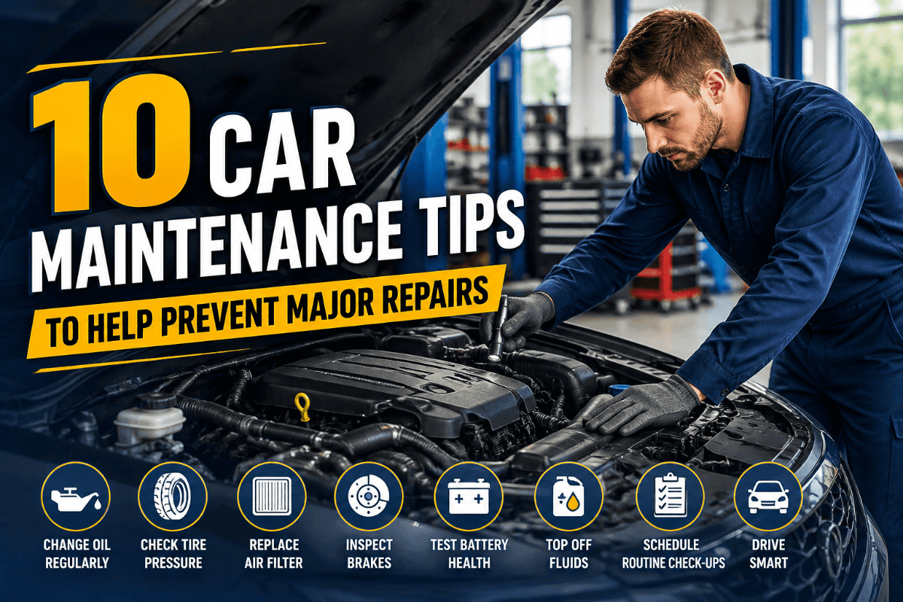
Follow these 10 car maintenance tips to prevent major repairs, improve vehicle safety, and save money with regular auto maintenance in Portage, MI.
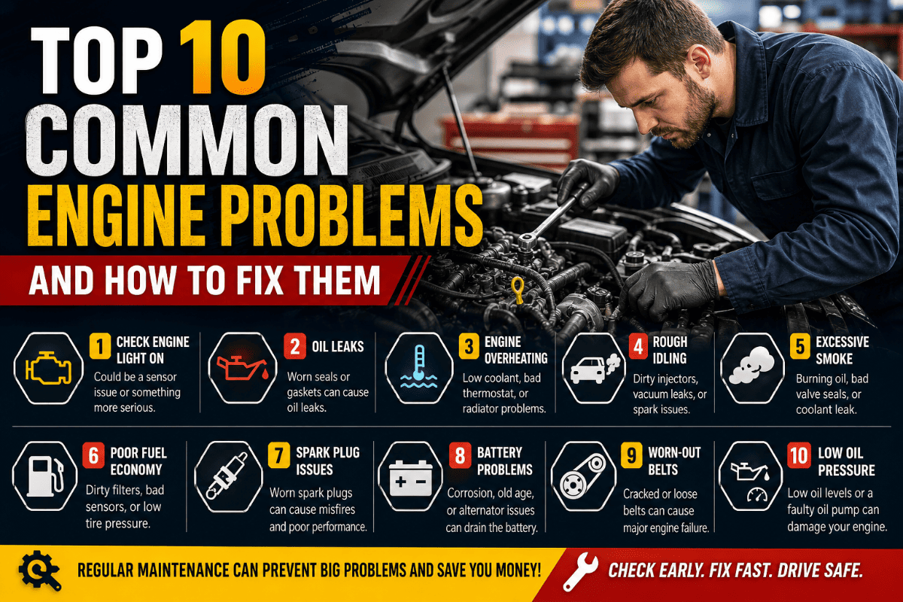
Discover 10 common engine problems, their warning signs, and practical fixes. Learn when to seek professional engine diagnostics to prevent costly repairs.