Muffler Man of Portage has proudly served Portage, Kalamazoo, Oshtemo, and nearby Michigan communities since 2002. As a family-owned auto repair shop, the team specializes in mufflers, exhaust systems, brakes, suspension repair, diagnostics, and general automotive services. With certified technicians, advanced diagnostic tools, and a commitment to honest service, Muffler Man of Portage delivers reliable automotive repair solutions backed by years of hands-on industry experience
Winter in Michigan leaves more than snow behind. Once the ice melts, roads crack open, and pothole damage to car parts becomes a real risk for every driver. One hard hit can bend a wheel or shake your steering loose. We have spent over 20 years fixing cars after rough winters. In this guide, we share what we have seen, what to watch for, and what to do next.
How Winter Creates Potholes
Water slips into small cracks in the pavement. At night, it freezes and expands, which pushes the road apart. When it thaws, a gap forms underneath. Cars and trucks then press on the weak spot until the surface breaks. Michigan has many freeze and thaw swings each winter, so potholes multiply fast by spring.
What Happens to Your Car in One Hard Hit
When a tire drops into a pothole, the rim squeezes the tire against the hard edge of the road. The force then travels through the wheel and up into the suspension. Think about jumping off a curb with stiff legs. Your ankles, knees, and hips all feel it. Your car works the same way. Some damage shows up right away. Other damage builds over the next few weeks, which makes it easy to miss.
Read More : How Cold Weather Affects Your Car Battery and Starting System?
Tire Damage Starts First
Your tires take the first hit, so they often show trouble first. Common tire damage from potholes falls into a few groups.
● Sidewall bulge: A bubble means the cords inside the tire have snapped. Stop driving on it and replace the tire.
● Cuts and cracks: Sharp pothole edges can slice the rubber. Small cuts can grow into slow leaks or blowouts.
● Bent wheel: A bent rim can cause shaking at highway speeds. It can also cause a slow air leak you keep refilling.
● Pressure loss: A tire that keeps losing air after a pothole needs a closer look.
A Quick Tire Check You Can Do at Home
Start by looking at each sidewall for bubbles, cuts, or cracks. Next, check air pressure with a simple gauge. The right number is on the sticker inside your driver door, not on the tire. Check when the tires are cool for the best reading.
How Potholes Knock Alignment Out of Place
Wheel alignment means your wheels point the same way at the right angles to the road. Good alignment keeps your car straight and your tires wearing evenly. A hard hit can nudge those angles off. Wheel alignment problems then show up as drifting, a crooked steering wheel, or odd tire wear.
The most common sign is a car pulling to one side after hitting a pothole. One wheel now points slightly differently than the others, so it fights them. You end up steering against it on every drive. Over time, the tires wear unevenly and need replacing sooner.
What Potholes Do to Your Suspension
Your suspension is a team of parts that smooth out bumps and keep tires on the road. It includes shocks, struts, springs, control arms, ball joints, and tie rods. When it comes to potholes and car suspension parts, the damage can hide well.
So, can potholes damage your car suspension? Yes, and the damage can be serious. A hard hit can bend a control arm or wear out a ball joint. It can also break the seals on a shock or strut. A bent tie rod can make your steering feel loose.
Why Worn Shocks and Struts Matter
Worn shocks and struts cannot control the bounce of your car. You may feel extra bouncing after bumps or a nose dive when you brake. Stopping distance can grow, and tires may wear in a scalloped pattern. These parts wear slowly, so most drivers do not notice until a pothole makes things worse.
Signs of Damage After a Pothole
Here are the signs of damage after hitting a pothole that we see most often.
● Off-center or shaking steering wheel: This points to alignment or wheel trouble.
● Clunks, thumps, or rattles: Loose or broken suspension parts often make these sounds over bumps.
● Extra bouncing: The ride feels floaty because the shocks or struts cannot control motion.
● Nose dive when braking: The front end drops hard, which can stretch your stopping distance.
● Uneven tire wear: One edge wears faster when a wheel sits at the wrong angle.
● Oily fluid on a shock or strut: A leak means the seal has failed.
● Tire pressure light: A bent wheel or damaged tire may be leaking air slowly.
Read More : Signs Your Brakes Need Attention Before Winter Driving
What to Do Right After You Hit a Pothole
Follow these steps to stay safe and catch problems early.
- Pull over in a safe spot and look at all four tires for bulges or cuts.
- Check tire pressure and add air if the numbers are low.
- Turn off the radio on your next short drive and listen for new noises.
- Notice whether the steering wheel sits straight and the car drifts.
- Book an inspection within a week, or right away if anything feels wrong.
Early auto suspension repair often costs less than waiting. A small fix today can protect nearby parts and your tires.
How to Avoid Pothole Hits
You cannot dodge every pothole, but a few habits help.
● Slow down on rough roads: A lower speed means a softer hit.
● Leave extra space: A bigger gap helps you spot holes hiding behind other cars.
● Brake early, then ease off: Release the pedal just before impact so the suspension can move freely.
● Skip sudden swerves: A controlled hit is safer than a crash with another car.
● Watch puddles: Water can hide deep holes.
We also suggest an alignment and suspension check each spring, after the worst of the freeze and thaw season.
Get Your Car Checked Before Small Damage Grows
If a rough winter left your car feeling off, we would love to help you sort it out. At Muffler Man of Portage, we offer car steering and suspension services, and our technicians explain what they find in plain words. We stand behind our qualifying work with a 24-month/24,000-mile warranty. Call us at (269) 323-1980, book an appointment online, or stop by 106 East Centre Avenue in Portage. Let us help you get back on the road with confidence.
FAQs
Can hitting a pothole damage my tires, alignment, or suspension?
Yes. A hard hit can cause tire bulges, bend wheels, shift alignment, and wear shocks, struts, and steering parts. Damage can show up right away or build slowly over several weeks.
What are the signs of pothole damage to my vehicle?
Watch for a pulling car, an off-center steering wheel, clunking noises, extra bouncing, vibration, uneven tire wear, or a tire bubble. Any of these means it is time for an inspection.
Why does my car pull to one side after hitting a pothole?
The impact can change your wheel angles. When one wheel points a slightly different way, it fights the others, and the car drifts. A bent part or uneven tire pressure can cause this too.
Should I have my car checked after hitting a large pothole in Michigan?
Yes. Michigan potholes hit hard, and hidden damage is common. A quick check of your tires, alignment, and suspension within a week can catch small problems before they become costly repairs.
Where can I get steering and suspension repair in Portage, MI?
Choose a local Portage shop with certified technicians, clear pricing, and a written warranty. Ask whether they inspect alignment, shocks, struts, and steering parts together. Call ahead to book your visit.

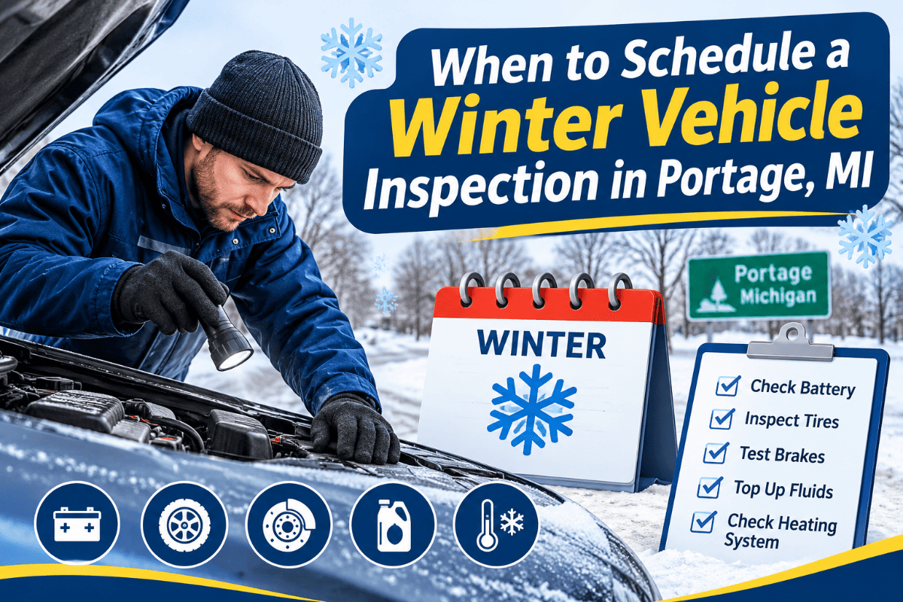
Find out when to schedule a winter vehicle inspection in Portage, MI. Check your battery, tires, brakes, fluids, and more before freezing weather arrives.
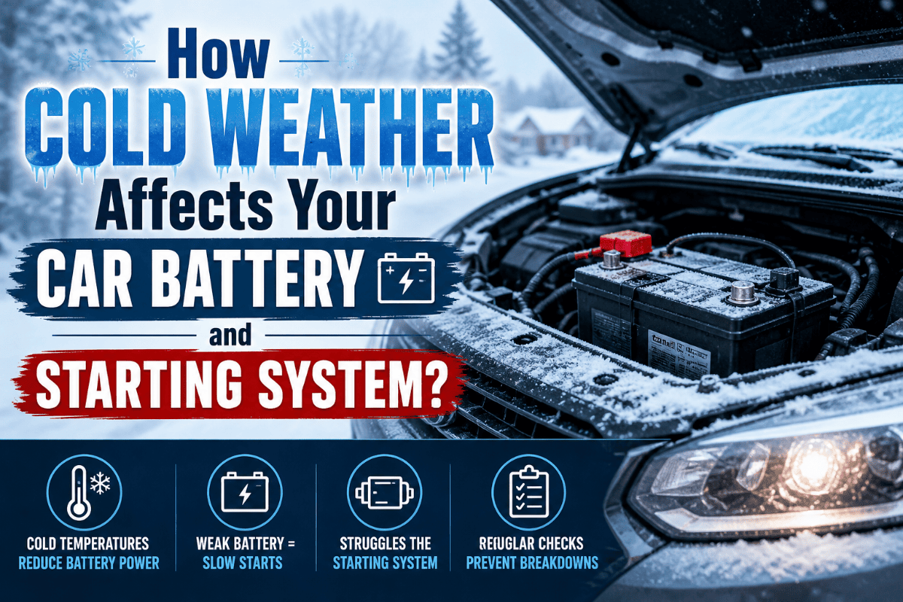
Learn how cold weather affects your car battery and starting system. Discover warning signs, winter battery maintenance tips, and when to get a battery test.
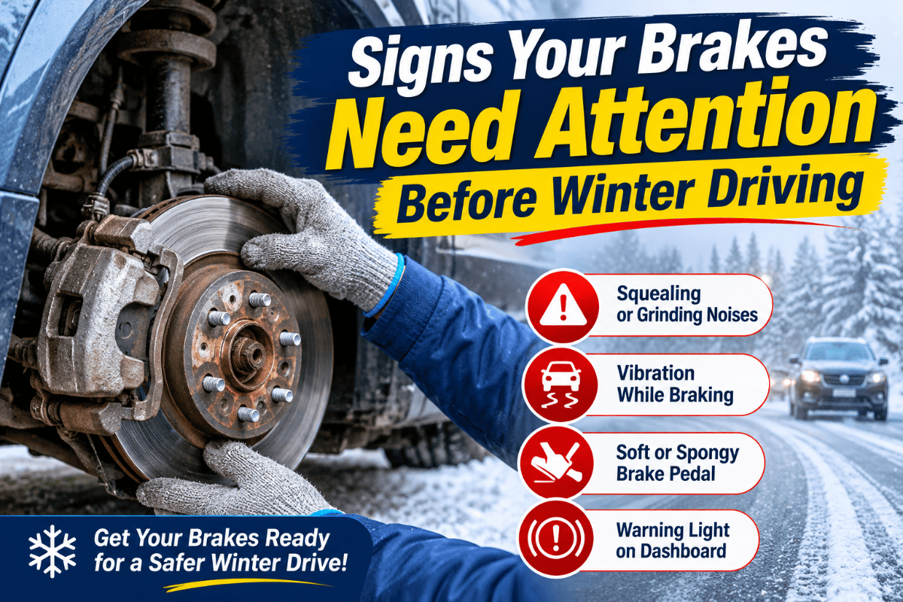
Learn the warning signs of brake problems before winter, including squealing, grinding, and soft pedals. Schedule a pre-winter brake inspection in Portage, MI.
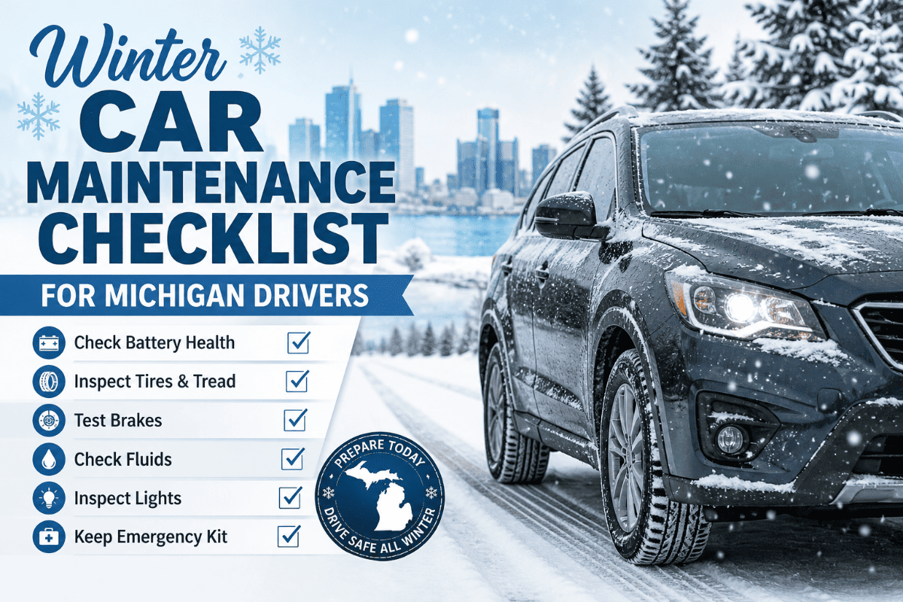
Follow this winter car maintenance checklist for Michigan drivers. Learn how to check your battery, tires, brakes, oil, coolant, and more before snowfall.
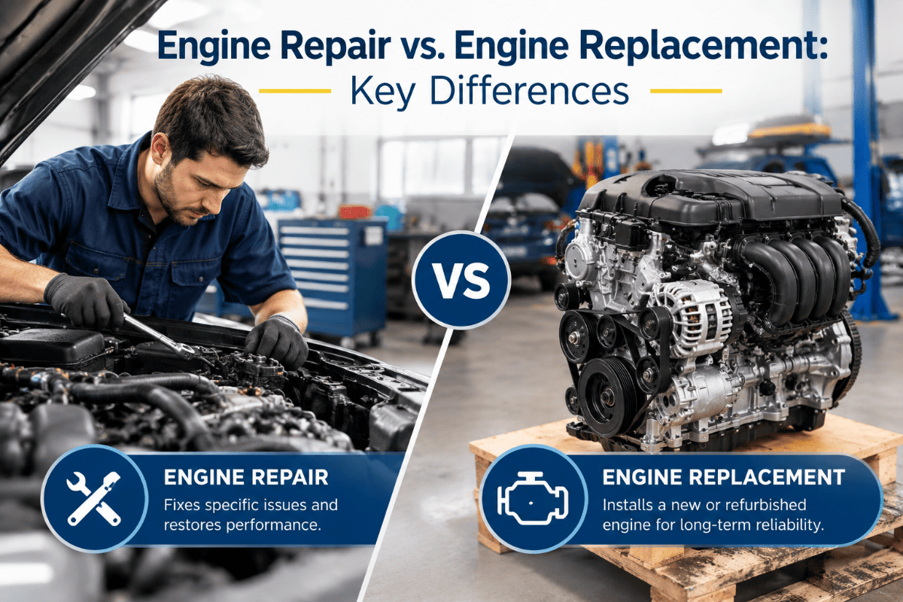
Compare engine repair vs. replacement, including costs, warning signs, benefits, and timelines. Get expert engine diagnostics at Muffler Man of Portage.
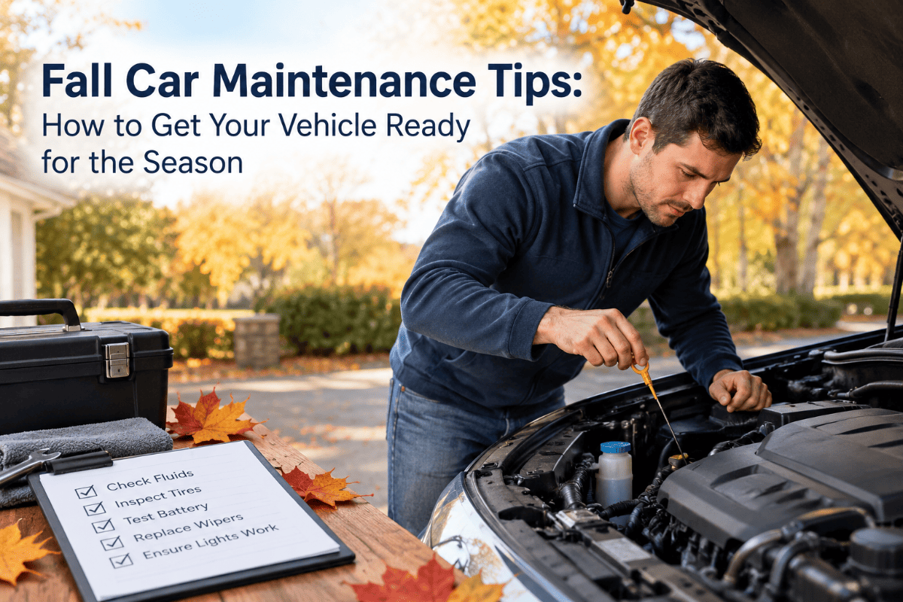
Get essential fall car maintenance tips to prepare for Michigan winter. Check your battery, tires, brakes, fluids, and more with this simple checklist.

Learn about different engine oil types, their benefits, and how to choose the right oil for your car to protect your engine and improve performance.
Discover the benefits of regular brake inspections, from safer stops to lower repair costs. Schedule a professional brake inspection in Portage, MI, today.
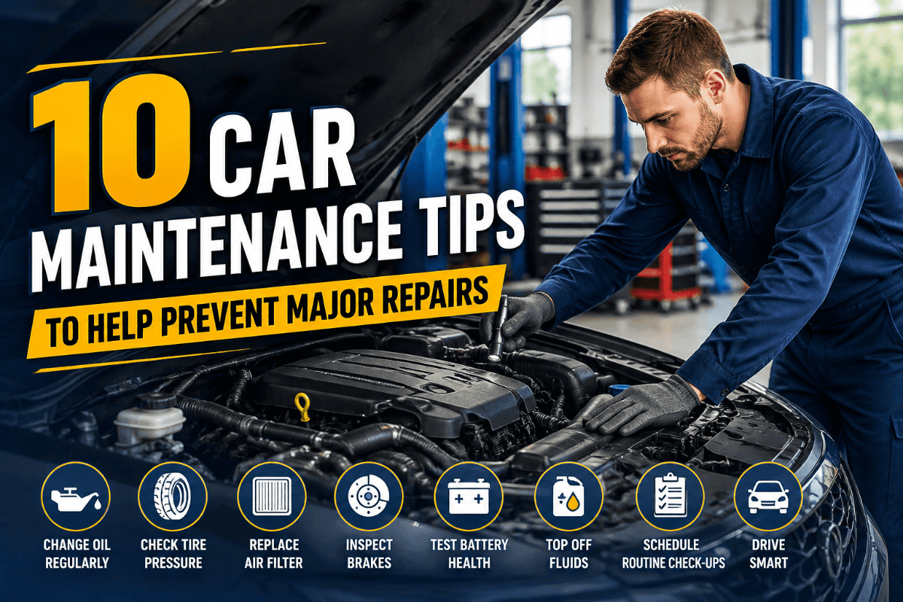
Follow these 10 car maintenance tips to prevent major repairs, improve vehicle safety, and save money with regular auto maintenance in Portage, MI.
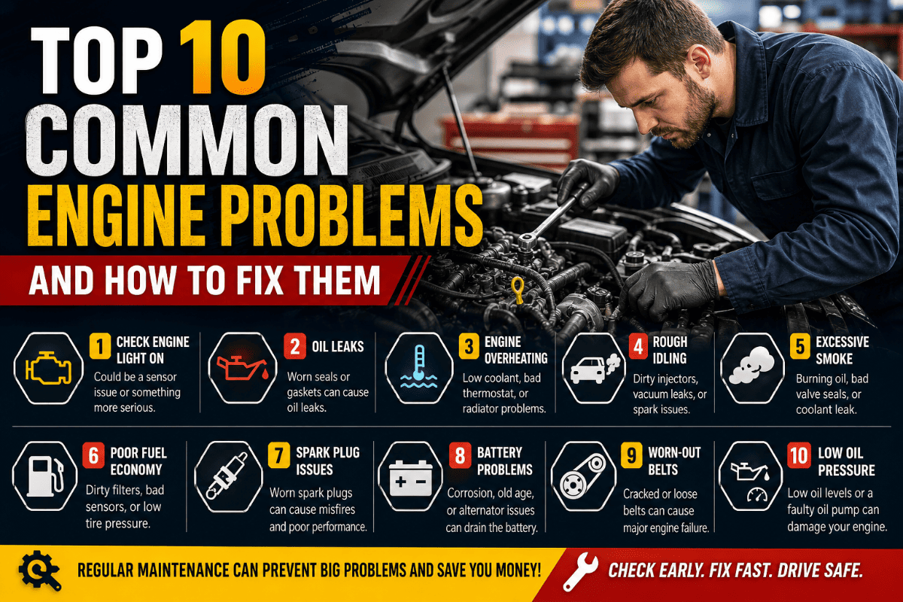
Discover 10 common engine problems, their warning signs, and practical fixes. Learn when to seek professional engine diagnostics to prevent costly repairs.