Muffler Man of Portage has proudly served Portage, Kalamazoo, Oshtemo, and nearby Michigan communities since 2002. As a family-owned auto repair shop, the team specializes in mufflers, exhaust systems, brakes, suspension repair, diagnostics, and general automotive services. With certified technicians, advanced diagnostic tools, and a commitment to honest service, Muffler Man of Portage delivers reliable automotive repair solutions backed by years of hands-on industry experience
Picture the first icy morning of the season. You press the pedal at a red light, and your car glides farther than expected. It is a scary moment, and it is often avoidable. Learning the signs that your brakes need repair gives you time to act before roads turn slick. We have spent years helping drivers sort out brake trouble, and we want to share what we know in plain terms. Let’s walk through what to listen for, what to feel for, and what to check this month.
Why Cold Weather Is Tough on Your Brakes
Winter asks more from your brakes than any other season. Cold air stiffens rubber parts. Road salt and slush attack metal. Slick roads also mean you depend on smooth, steady stopping power.
Small issues grow fast in these conditions. A pad that felt fine in July can struggle in January. This is why we like to catch brake problems before winter instead of after the first snowfall.
Read More : Winter Car Maintenance Checklist for Michigan Drivers
Listen First: What Your Brakes Are Trying to Tell You
Sound is often the first clue. A high squeal usually means the pads are getting thin. Most pads have a small metal tab built in. It touches the rotor, which is the metal disc your pads squeeze, and it makes noise on purpose to warn you.
Squeaky brakes are not always a crisis. Moisture and a light film of rust can cause a short squeal on cold mornings. Drivers often ask, “why do my brakes squeal in cold weather?” Damp, chilly air is the usual reason. If the noise fades after a few stops, it is normally harmless. If it sticks around all day, get it checked.
Grinding is a different story. A deep, rough scraping sound often means the pad material is gone. Metal is now rubbing metal. This damages the rotor and drives up repair costs quickly. Pull over when it is safe and call a shop.
Feel the Difference: Other Warning Signs While You Drive
Your hands, feet, and nose can catch trouble too. Here are more signs that your brakes need repair beyond strange noises:
● Longer stopping distance: If your car needs more room to stop than it used to, the pads or brake fluid may be failing. Slick roads make this much worse.
● A soft or spongy pedal: A pedal that sinks toward the floor can point to air or moisture in the brake lines, or a fluid leak. Please do not ignore this one.
● Pulling to one side: If your car drifts left or right when you brake, a caliper may be sticking. A caliper is the clamp that presses the pads against the rotor.
● Shaking in the wheel or pedal: Pulsing often means a warped rotor. Heat from hard stops can cause this over time.
● A burning smell: A sharp, hot odor after driving can signal overheated brakes or a stuck part.
● A dashboard warning light: The brake or ABS light means your car’s sensors found a problem. Treat it as a real alert.
How to Tell If Brake Pads Are Worn Out at Home
You can do a simple check in about five minutes. Park on flat ground and let the car cool first. Learning how to tell if brake pads are worn out helps you spot trouble early, which can protect your rotors too.
- Turn the steering wheel all the way to one side. This gives you a better view of the front brake.
- Shine a flashlight through the wheel spokes. You should see a pad pressed against a shiny metal disc.
- Check the pad thickness. About 1/4 inch means the pad is getting low. At 1/8 inch or less, it needs replacing now.
- Look at the rotor surface. Deep grooves or a rusty ridge on the edge point to extra wear.
- Repeat on the other side. Pads should wear evenly.
Some wheel designs hide the pads. If you cannot see them well, skip the guess and ask a technician. Catching worn brake pads early is always cheaper than fixing the damage they cause later.
Timing Matters: When to Replace Brake Pads Before Winter
The best answer on when to replace brake pads before winter is early fall, before the first hard freeze. Most pads last roughly 25,000 to 65,000 miles. City traffic, heavy loads, and hilly roads wear them out faster.
If your pads are close to 1/4 inch now, they may not last through a long, snowy season. A brake pad replacement done on time is a simple job. Wait too long, and you may also need new rotors and calipers. That turns a small fix into a bigger bill.
What a Full Brake Check Should Cover
A good winter driving brake check looks at more than the pads. A trained technician should review each of these parts:
● Brake pads: Thickness and even wear on all four wheels.
● Rotors: Thickness, grooves, and any warping.
● Brake fluid: Fluid absorbs moisture over time, and most carmakers suggest changing it about every two years. Your owner’s manual has the exact schedule.
● Brake lines and hoses: Cracks, rust, and leaks can cause sudden loss of stopping power.
● Calipers: Parts that stick or move slowly cause uneven wear.
● Parking brake: Cables can seize in freezing weather.
A thorough car brake inspection takes little time and can save you from a roadside surprise. We also look at your tires during this visit. Brakes only work as well as your tires can grip the road.
Simple Habits That Protect Your Brakes
Good driving habits help your brakes last longer, and they keep you safer on slick roads. Try these:
● Leave extra space: Slow down early and brake gently. Sudden stops on ice can cause a skid.
● Rinse off road salt: A quick undercarriage wash removes salt that eats away at brake parts.
● Do not ride the pedal: Resting your foot on it builds heat and wears pads faster.
Putting off auto brake repair rarely saves money. A small pad job can grow into a repair of pads, rotors, and calipers. Early action keeps your costs down and your family safer.
Book Your Pre-Winter Brake Check Today
If you hear a squeal, feel a shake, or cannot remember your last car brake inspection, come see us. At Muffler Man, we are a family-owned shop that has served Portage and nearby towns since 2002. We handle auto brake repair and brake pad replacement with clear advice and fair prices, and most of our services carry a 24-month, 24,000-mile warranty. We would love to get you ready for the first snowfall, so call us or book online and let us take care of your brakes.
FAQs
What are the warning signs that my brakes need attention?
Watch for squealing, grinding, a soft pedal, longer stops, pulling to one side, shaking, or a dashboard light. Any one of these means you should book a brake check soon.
Why do my brakes squeal or squeak in cold weather?
Cold, damp air can leave a thin layer of rust or moisture on the rotors. The pads squeal until it wears off. If the noise lasts past a few stops, get a check.
How do worn brakes affect my safety on icy or snowy roads in Michigan?
Worn brakes need more distance to stop, and ice already cuts tire grip. Together, they raise skid and crash risk. Fresh pads, healthy fluid, and good tires help you stop straight.
How often should brake pads be replaced?
Most pads last about 25,000 to 65,000 miles. Driving style, loads, and traffic change that range. Have them checked at least once a year, and replace them near 1/8 inch.
Where can I get brake repair and service in Portage, MI?
Look for a family-owned Portage shop with honest estimates and a service warranty. You will find a trusted local option in the final section below, along with ways to book.

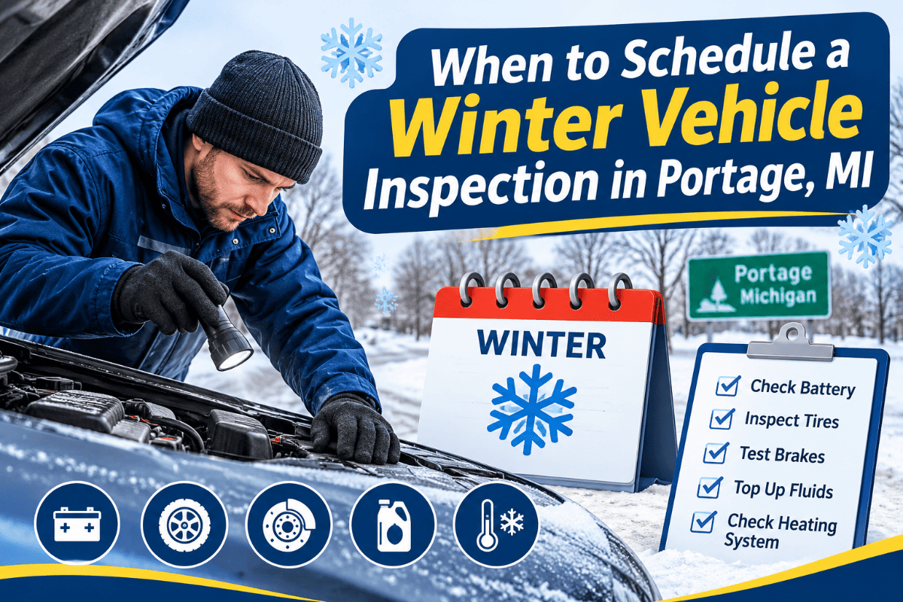
Find out when to schedule a winter vehicle inspection in Portage, MI. Check your battery, tires, brakes, fluids, and more before freezing weather arrives.
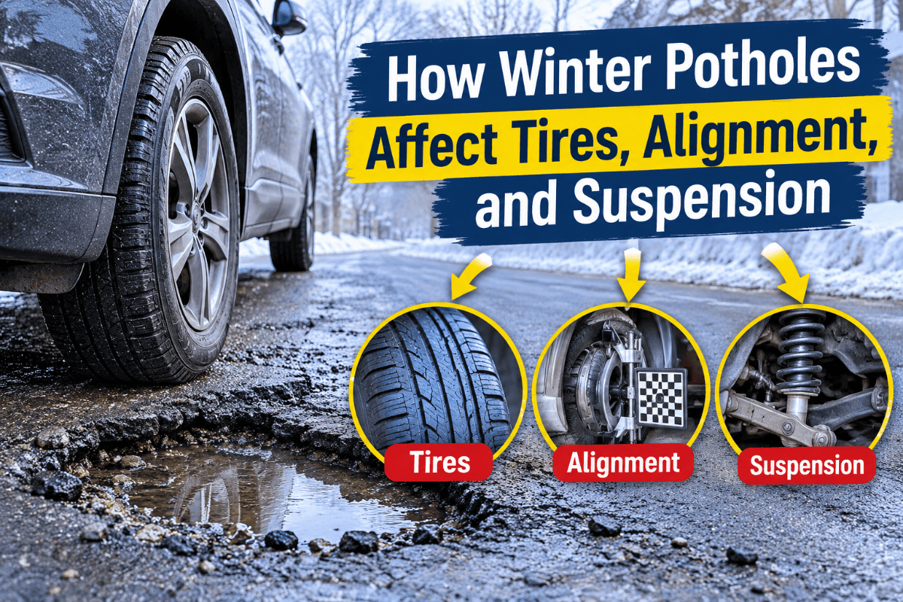
Learn how winter potholes damage tires, wheel alignment, and suspension. Discover warning signs and repair solutions from Muffler Man of Portage, MI.
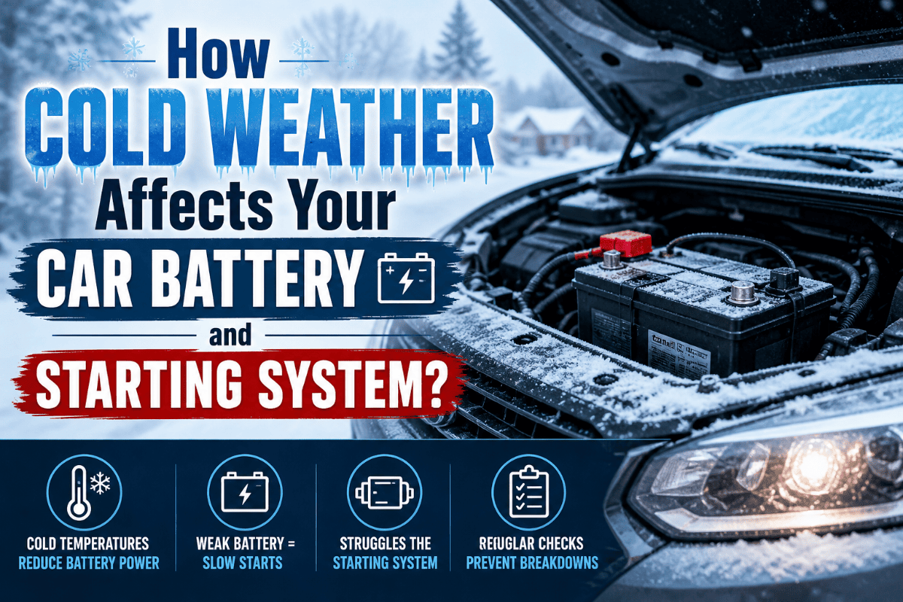
Learn how cold weather affects your car battery and starting system. Discover warning signs, winter battery maintenance tips, and when to get a battery test.
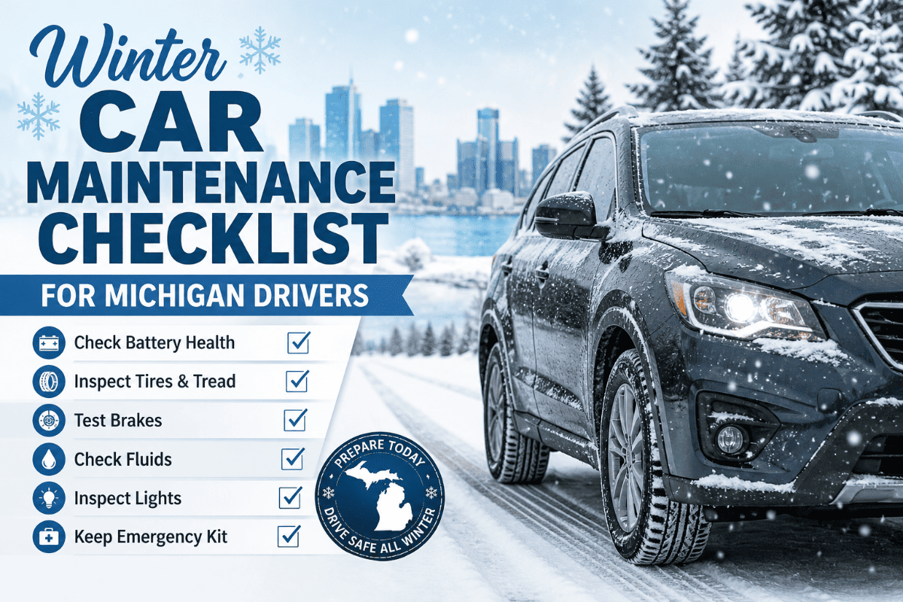
Follow this winter car maintenance checklist for Michigan drivers. Learn how to check your battery, tires, brakes, oil, coolant, and more before snowfall.
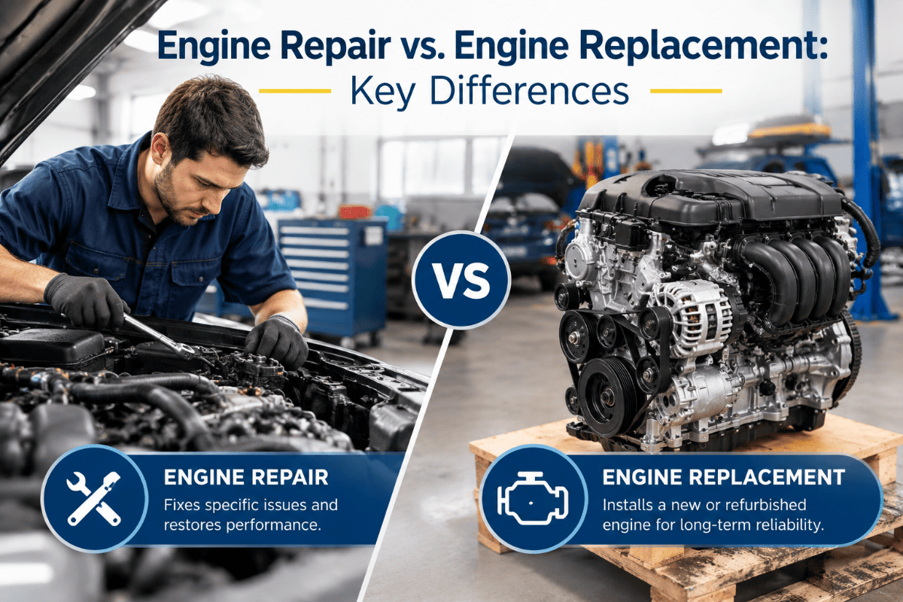
Compare engine repair vs. replacement, including costs, warning signs, benefits, and timelines. Get expert engine diagnostics at Muffler Man of Portage.
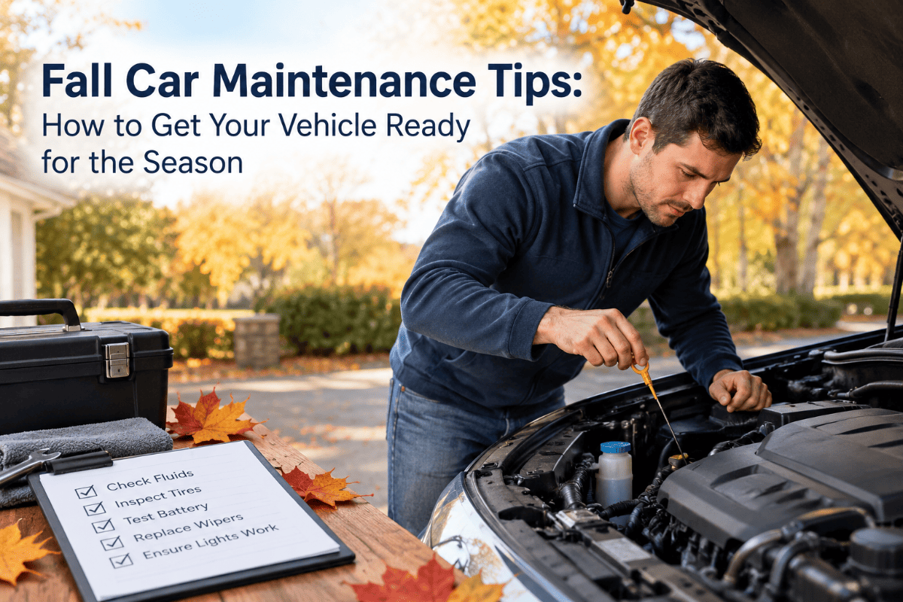
Get essential fall car maintenance tips to prepare for Michigan winter. Check your battery, tires, brakes, fluids, and more with this simple checklist.
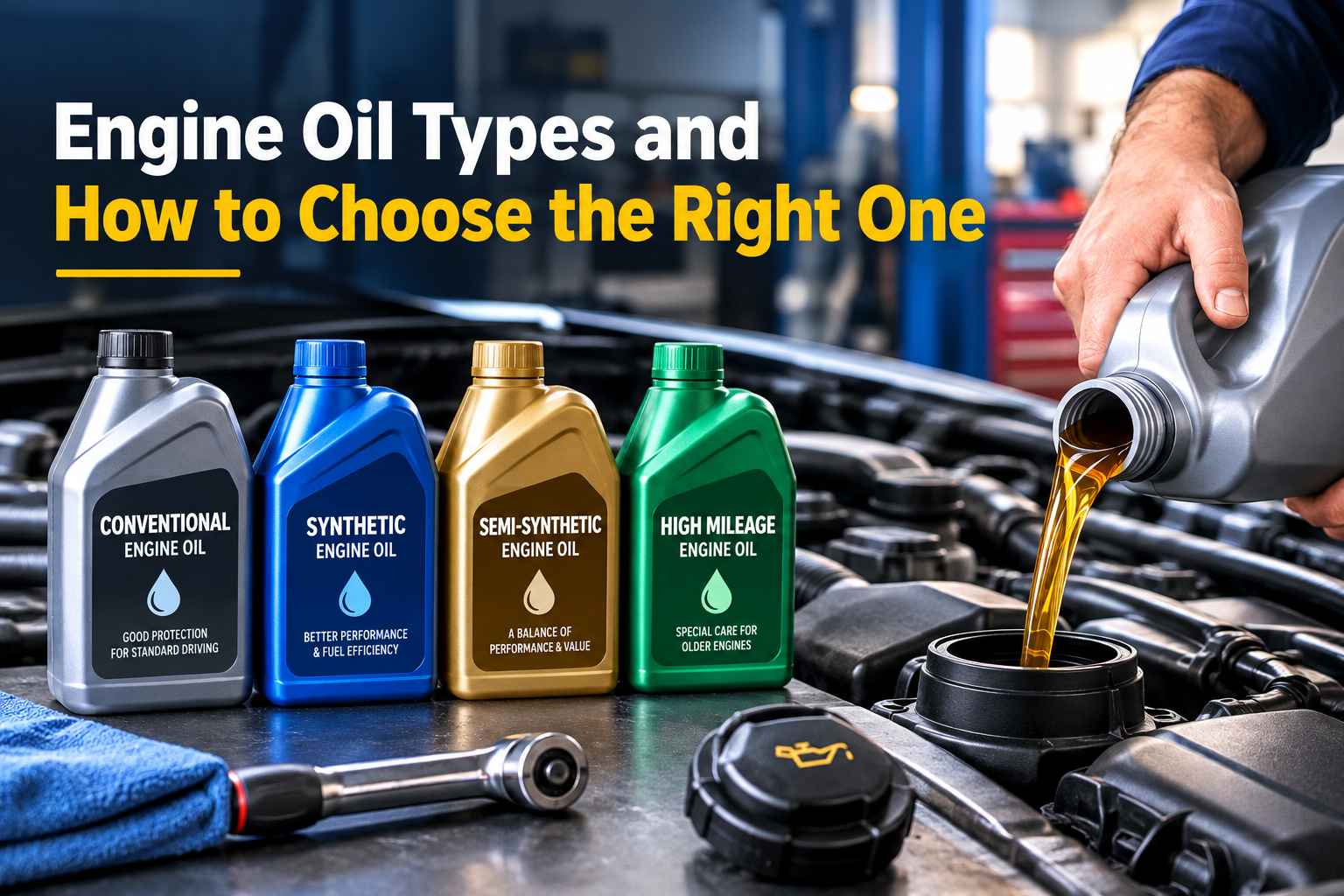
Learn about different engine oil types, their benefits, and how to choose the right oil for your car to protect your engine and improve performance.
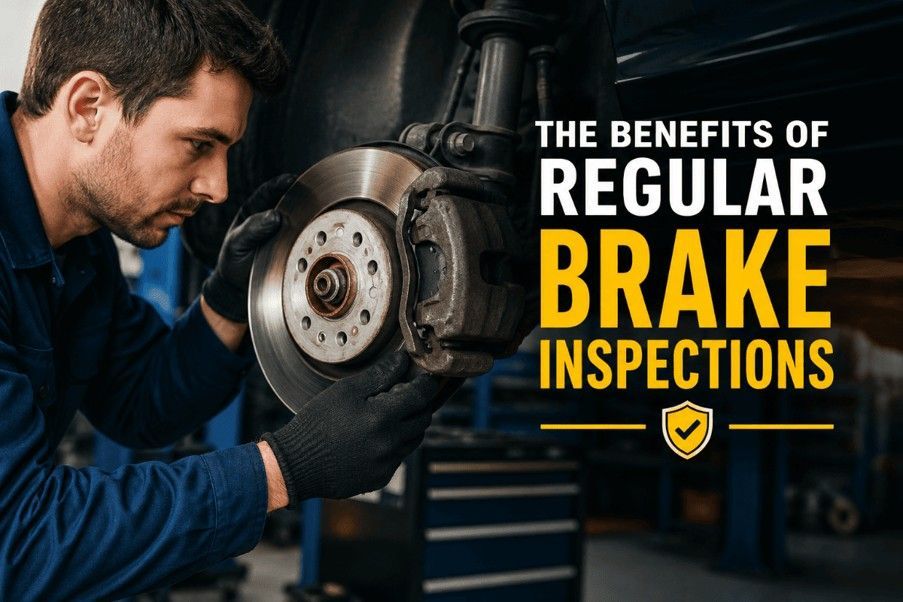
Discover the benefits of regular brake inspections, from safer stops to lower repair costs. Schedule a professional brake inspection in Portage, MI, today.
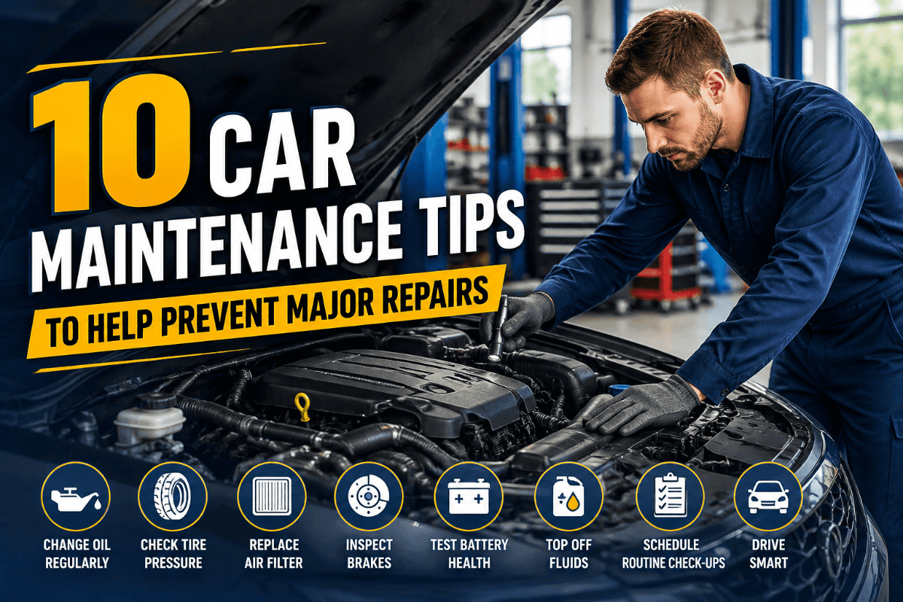
Follow these 10 car maintenance tips to prevent major repairs, improve vehicle safety, and save money with regular auto maintenance in Portage, MI.
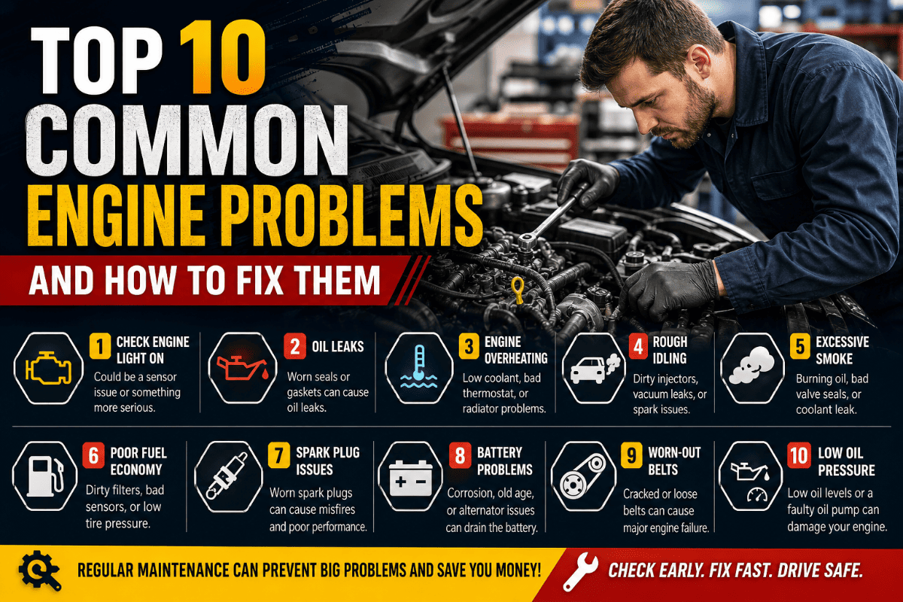
Discover 10 common engine problems, their warning signs, and practical fixes. Learn when to seek professional engine diagnostics to prevent costly repairs.