Muffler Man of Portage has proudly served Portage, Kalamazoo, Oshtemo, and nearby Michigan communities since 2002. As a family-owned auto repair shop, the team specializes in mufflers, exhaust systems, brakes, suspension repair, diagnostics, and general automotive services. With certified technicians, advanced diagnostic tools, and a commitment to honest service, Muffler Man of Portage delivers reliable automotive repair solutions backed by years of hands-on industry experience
Winter is hard on cars. Months of road salt, freezing temperatures, ice, and potholes leave behind damage that is not always obvious until something fails. That is why spring is the most important time of year to go through a proper spring car maintenance checklist and address everything winter left behind. Catch it now, and you avoid bigger, costlier problems later in the year.
Why Is Spring Car Maintenance Important?
Winter does not just make driving harder. It actively damages your vehicle in ways that compound over time. Here is what Michigan winters specifically do to cars:
● Road salt corrodes metal on the undercarriage, brake lines, and exhaust system
● Freezing temperatures drain battery capacity and thicken fluids
● Potholes and frost heaves knock wheels out of alignment and stress suspension components
● Temperature swings deflate tires and crack rubber seals
● Ice and snow destroy wiper blades and clog cabin air filters
Preventive car maintenance in spring catches all of this before it turns into a breakdown in July. A two-hour inspection now can save you a $1,000 repair in peak summer driving season.
What Maintenance Does a Car Need After Winter?
A full spring check covers seven key areas: fluids, tires, brakes, battery, wipers, filters, and exterior. Here is each one explained simply.
1. Check and Top Off All Fluids
Fluids degrade faster in cold weather. Some thicken up, some get contaminated, and some just run low from the extra strain winter puts on your engine.
Fluids to check every spring:
● Engine oil — if it looks dark or gritty, change it
● Coolant/antifreeze — should be at the full line and look bright, not rust-colored
● Brake fluid — should be clear to light yellow; dark fluid needs flushing
● Power steering fluid — low levels can cause stiff steering
● Transmission fluid — check color and level, especially after a rough winter
● Windshield washer fluid — swap the winter mix for a spring formula
What should you inspect on your car after winter starts? Fluids are quick to check and give you an immediate picture of overall engine health.
2. Inspect Tires Thoroughly
Tires take a beating all winter. Pressure drops in the cold, tread wears unevenly on icy roads, and sidewalls can crack from repeated freeze-thaw cycles.
Spring tire checklist:
● Check tire pressure — every 10-degree temperature drop removes about 1 PSI. Tires may be noticeably underinflated by spring. Use a gauge and inflate to the PSI listed on your door jamb sticker, not the tire sidewall.
● Inspect tread depth — insert a quarter into a tread groove. If you can see the top of Washington's head, the tire is worn and needs replacing.
● Look for uneven wear — one side wearing faster than the other points to an alignment problem
● Rotate tires — if you have not rotated in the past 5,000 to 8,000 miles, do it now
● Switch out snow tires — leaving winter tires on in warm weather wears them out fast and reduces handling
3. Get a Brake Inspection
This is one of the most critical items on any spring car maintenance tips list. Road salt corrodes brake components faster than almost anything else. Rotors develop surface rust. Brake lines can develop small leaks at joints. Calipers seize.
A proper spring car brake repair service inspection covers:
● Brake pads — check thickness; under 3mm means replacement soon
● Rotors — look for deep grooves, scoring, or rust pitting that goes beyond surface level
● Brake lines — inspect for rust bubbles, dampness, or soft spots
● Calipers — make sure they are sliding freely and not seized
● Brake fluid — dark or cloudy fluid should be flushed
If your brakes squealed, ground, or felt soft during winter, do not wait for this one. Get it inspected before spring driving picks up.
4. Test Your Battery
Cold weather is the number one cause of battery failure. A battery that barely got you through winter may not survive a hot summer. Heat is actually harder on batteries than cold because it accelerates internal chemical breakdown.
Spring battery check:
● Inspect terminals for white or blue corrosion buildup and clean it off
● Check that cables are tight and not frayed
● Have the battery load-tested at a shop. This tells you the actual charge capacity, not just whether it starts today.
● If your battery is three years old or older, test it. If it is five or more years old, replacing it proactively is smarter than getting stranded.
5. Replace Wiper Blades
Winter wiper blades take constant abuse from ice, snow, and freezing temperatures. The rubber cracks, the frame bends, and the result is streaky, inadequate wiping right as the spring rain season begins.
Replace wiper blades every six to twelve months. Spring is the natural reset point. Budget blades cost around $10 to $20 each and take about five minutes to swap out. Do not wait until your first spring rainstorm to discover yours has gone bad.
6. Check Air Filters
Two filters need attention every spring: the engine air filter and the cabin air filter.
● Engine air filter — a clogged filter reduces airflow to the engine, hurting both performance and fuel economy. Hold it up to the light. If you cannot see light through it, replace it.
● Cabin air filter — this filters the air that comes through your vents. A dirty one from all the winter dust and debris means poor airflow and worse air quality inside the car. Spring also brings heavy pollen, so a fresh filter makes a real difference.
Both filters are relatively inexpensive and easy to swap, or a shop can do it during a routine service visit.
7. Get a Wheel Alignment Check
Winter potholes are notorious for knocking wheels out of alignment. You may not notice immediately, but misaligned wheels wear your tires unevenly and make the car work harder than it needs to.
Signs your alignment is off:
● Car drifts left or right on a flat, straight road
● The steering wheel is not centered when driving straight
● Tires show uneven wear across the tread
Wheel alignment services are quick and affordable. An alignment typically costs $75 to $100 and can add thousands of miles to your tires' lifespan.
8. Wash the Undercarriage
Salt does not stop corroding just because winter is over. It sits in every crevice under the car, on brake lines, around the exhaust, and along the frame until you wash it off.
A proper spring wash should include:
● Full undercarriage rinse at a car wash with an undercarriage spray option
● Wheel well cleaning to remove packed salt and debris
● Wax application to protect the paint from spring rain and summer sun
Get Your Spring Inspection Done Right
Spring car repair and maintenance service is not just about checking boxes. It is about knowing your car is ready for everything from daily commutes to summer road trips. At Muffler Man in Portage, MI, we go through every item on this car maintenance checklist with you. From wheel alignment to car brake repair to fluid inspections, our team handles it all in one visit. We give you a straight report on what your car needs and what can wait. Schedule your spring maintenance appointment at Muffler Man today.
Frequently Asked Questions
Can winter road salt damage my car's undercarriage?
Yes, significantly. Salt accelerates rust on brake lines, exhaust pipes, the frame, and suspension components. Rinsing the undercarriage thoroughly in early spring removes salt before it causes lasting corrosion damage.
Why do tires lose pressure during winter weather?
Cold air contracts, and every 10-degree drop in temperature removes roughly 1 PSI from your tires. By spring, tires are often noticeably underinflated and need to be adjusted back to the recommended level.
How often should I wash my car after winter ends?
Wash it at least once in early spring with a focus on the undercarriage. After that, washing every two to four weeks through spring keeps road grime, pollen, and lingering salt from building up on the finish and underneath.
Does cold weather affect car battery performance long-term?
Yes. Repeated deep cold cycles reduce a battery's overall capacity over time. A battery that survives several Michigan winters may test fine in cool weather but fail under the heat stress of summer. Load-test it every spring.
What fluids should be checked before spring road trips?
Check engine oil, coolant, brake fluid, transmission fluid, and power steering fluid before any road trip. Also, top off the windshield washer fluid. These five checks take about 15 minutes and can prevent a breakdown far from home.


Learn the common signs and causes of radiator problems, explore repair options, and discover when to seek professional help to prevent engine overheating and costly damage.

Learn how to extend the life of your transmission with essential maintenance tips, proper driving habits, and early warning signs to watch for.
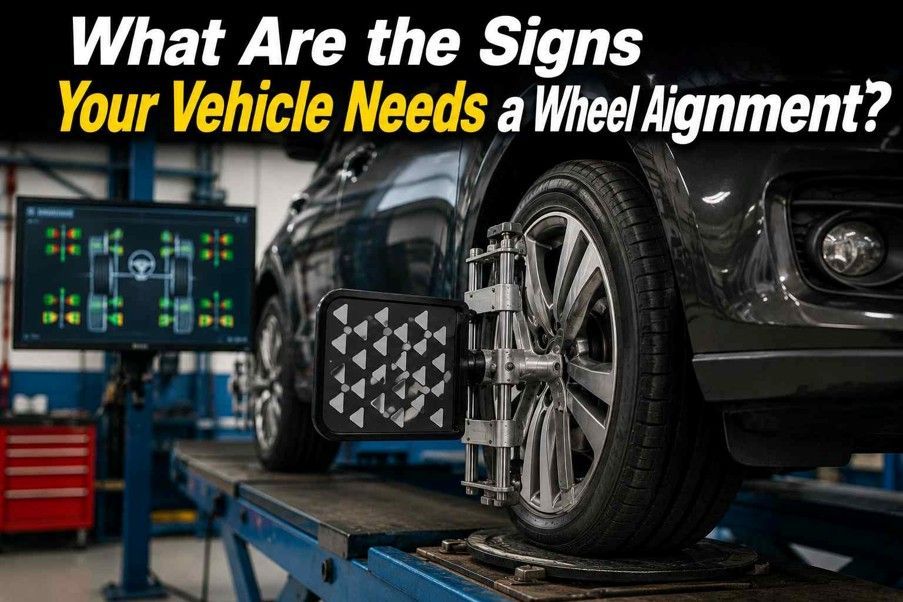
Learn the signs your vehicle needs a wheel alignment, including uneven tire wear, pulling, steering issues, and an off-center steering wheel.
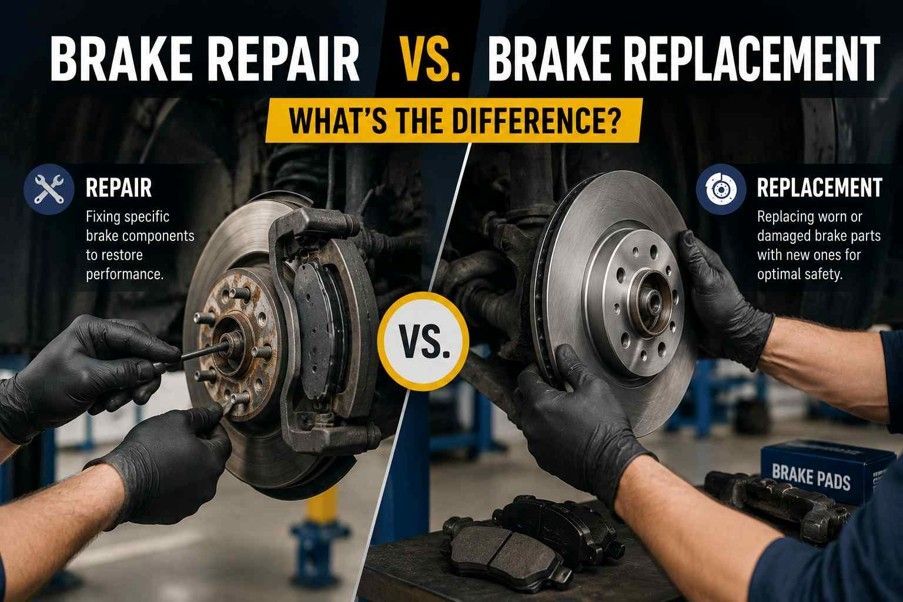
Learn the difference between brake repair and brake replacement, when each option may be needed, and the warning signs that your vehicle's brakes need attention.
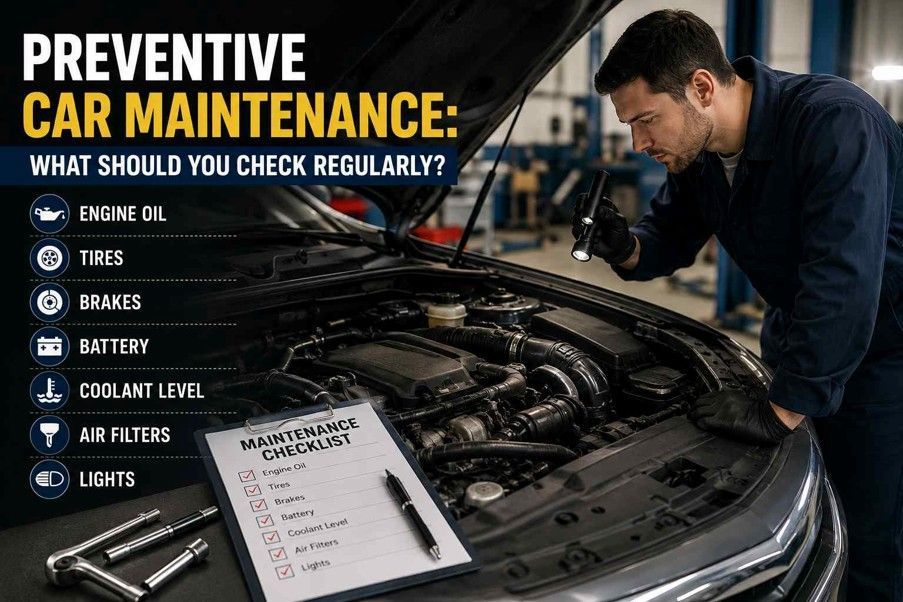
Learn what to check regularly with preventive car maintenance, including fluids, brakes, tires, batteries, and other key components to help avoid costly repairs.
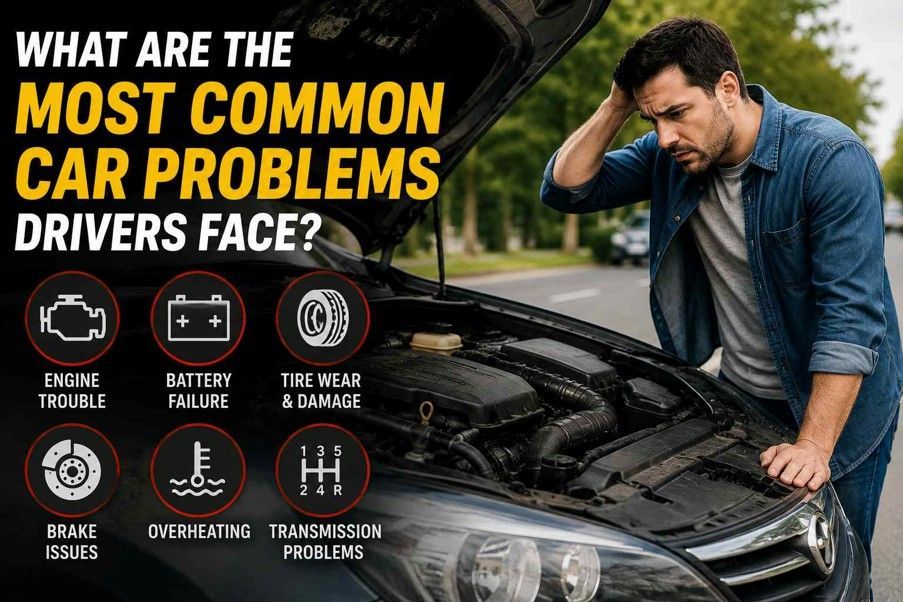
Discover the most common car problems drivers face, from brake and battery issues to engine, tire, and transmission problems, plus signs to watch for.

Why is your car losing power while accelerating? Learn the common causes, warning signs, and when to seek professional auto repair to restore performance.
Learn why your transmission is slipping, common causes, warning signs, repair options, and when to seek professional transmission repair.
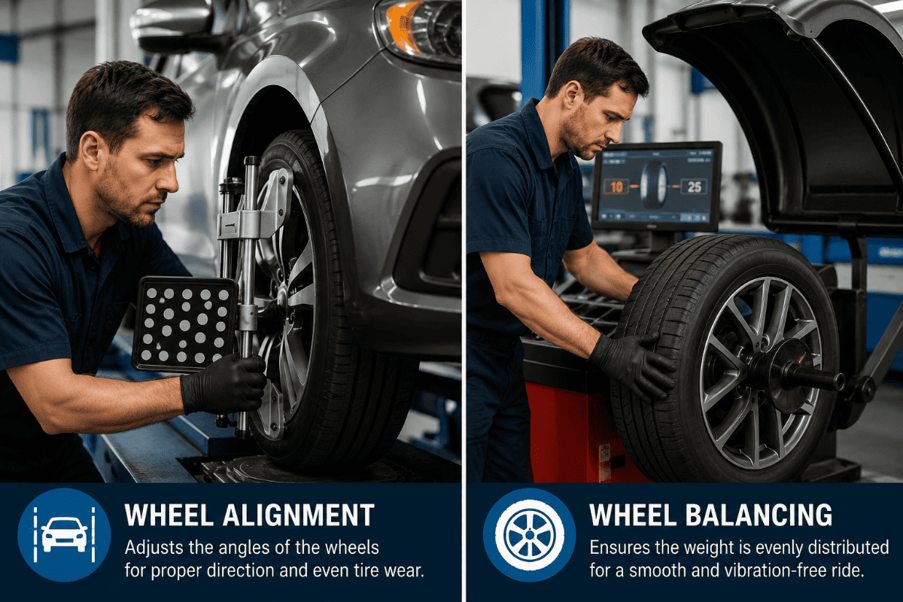
Learn the difference between wheel alignment and wheel balancing, common warning signs, key benefits, and when each service is needed for safer driving.

Learn why brake inspections before long road trips are essential. Discover warning signs, inspection tips, and how to keep your vehicle safe on every drive.