Muffler Man of Portage has proudly served Portage, Kalamazoo, Oshtemo, and nearby Michigan communities since 2002. As a family-owned auto repair shop, the team specializes in mufflers, exhaust systems, brakes, suspension repair, diagnostics, and general automotive services. With certified technicians, advanced diagnostic tools, and a commitment to honest service, Muffler Man of Portage delivers reliable automotive repair solutions backed by years of hands-on industry experience
Your brakes are the single most important safety system on your car. So when something feels off, squealing when you stop, or vibrations through the pedal, it matters to know exactly what needs fixing. Do you need new brake pads, new rotors, or both? Understanding the difference between brake pad replacement and rotor replacement saves you from either overpaying or underrepairing. Here is a clear, no-guesswork breakdown.
How Your Brakes Actually Work?
Think of your braking system like a hand squeezing a spinning disc to slow it down. The spinning disc is the rotor. The
material doing the squeezing is the brake pad. When you press the brake pedal, hydraulic pressure pushes the caliper, which clamps the pads against the rotor. That friction slows the wheel down.
Both parts wear down over time. Pads wear faster because they are designed to. Rotors last longer but still have limits, especially if pads are ignored for too long.
Recent Blog: Why Does Your Car Smell Like Exhaust Inside? Causes and Fixes
What Is Brake Pad Replacement?
It is the process of removing worn brake pads and installing new ones. Brake pads are the friction material that presses against the rotor every time you stop. Most pads last between 30,000 and 70,000 miles, depending on driving habits, vehicle weight, and pad material.
Brake pad replacement is the most common brake repair service your car will need. It is routine maintenance, not a crisis, as long as you catch it on time.
What are the signs of worn brake pads? Watch for:
● High-pitched squealing when braking (built-in wear indicator)
● Grinding metal-on-metal sound (pads are completely gone)
● Brake pedal feels softer or sits lower than usual
● Car pulls slightly to one side when braking
● Visible pad thickness under 3mm when looking through the wheel spokes
The squealing sound is intentional. Manufacturers build a small metal tab into pads that screams at you when the pad gets thin. That is your early warning. The grinding means you already missed it.
What Is Brake Rotor Replacement?
It is the process of removing the old metal disc and installing a new one. Rotors are the large flat discs you can often see through your wheel spokes. They spin with the wheel and take the heat and force of every stop you make.
Rotors typically last 50,000 to 70,000 miles, but that number drops fast if worn pads are left on too long. When a pad wears completely through, the metal grinds directly against the rotor surface. That damages the rotor quickly and deeply.
Signs your rotors need replacement:
● The steering wheel or brake pedal vibrates when you stop
● Deep grooves or score marks are visible on the rotor surface
● Rotor feels thin or has a noticeable lip at the outer edge
● Grinding noise that persists even after new pads are installed
● The rotor measures below the minimum thickness stamped on the disc
Difference Between Brake Pad Replacement and Brake Rotor Replacement
| Factor | Brake Pad Replacement | Brake Rotor Replacement |
|---|---|---|
| Wha it fixes | Worn friction material | Warped, scored, or thin metal disc |
| How often needed | Every 30,000 to 70,000 miles | Every 50,000 to 70,000 miles |
| Cost (parts + labor) | $150 to $300 per axle | $300 to $500 per axle |
| Urgency | High when squealing | Critical when grinding or vibrating |
| Can you do one without the other? | Yes, if rotors are still in spec | Always replace pads, too, when replacing rotors |
One important note: when you replace rotors, always replace the brake pads at the same time. New rotors paired with old, worn pads will bed in unevenly. You will nd up replacing the rotors again much sooner than you should.
Can You Drive With Damaged Brake Rotors?
Technically, yes, but it is not safe, and it will cost you more the longer you wait. Warped rotors reduce your stopping power and make your braking unpredictable. Severely scored rotors can cause pads to catch unevenly, pulling your car to one side during a hard stop.
A grooved or thin rotor also puts extra stress on the caliper, caliper pistons, and brake lines. What starts as a $300 rotor job can turn into a $700 repair if the caliper gets damaged. Get it checked promptly.
Do You Always Need to Replace Both at the Same Time?
Not always, but often yes. Here is the practical guide:
Replace pads only if:
● Rotors measure above the minimum thickness
● The rotor surface is smooth with no deep grooves
● No vibration when braking
● Pads are caught early in the wear process
Replace both pads and rotors if:
● Rotors are scored, grooved, or warped
● Pads have worn through to the metal backing
● Rotors are at or below minimum thickness
● The vehicle has high mileage, and the rotors have not been replaced before
Replacing both together is always the cleaner, more reliable repair. It also reduces labor costs since the work overlaps significantly.
Must Read: Muffler Repair vs. Muffler Replacement: Which Is Better?
What Does Brake Service Actually Cost?
Cost varies by vehicle, part quality, and shop. Here is a reasonable range for most cars:
● Brake pads only (per axle): $80 to $180 parts + labor
● Rotors only (per axle): $150 to $300 parts + labor
● Pads and rotors together (per axle): $250 to $500
Luxury and performance vehicles run higher. Trucks and SUVs with larger rotors also cost more. Always get a quote that includes parts and labor before approving work.
Why Brake System Maintenance Matters Year-Round?
Brake system maintenance is not just about responding to problems. It is about preventing them. Here is what good brake care looks like:
● Have brakes inspected every 12,000 miles or once a year
● Check brake fluid every two years and flush if it looks dark or cloudy
● Listen for changes in braking sound after wet weather or a long highway drive
● Avoid riding the brakes downhill, which overheats pads and warps rotors faster
● Rotate tires regularly since uneven tire wear affects how evenly your brakes perform
Routine brake inspection services catch small problems before they become expensive ones. A basic inspection takes about 30 minutes and can give you a clear picture of what your brakes need before anything fails.
Get Your Brakes Inspected at Muffler Man Today
Brakes are not something to put off. Whether you need a quick brake inspection, a pad swap, or a full rotor replacement, we make it simple. At Muffler Man in Portage, MI, our team provides honest, accurate brake repair services with no pressure and no guesswork. We check everything, tell you exactly what is needed, and handle it right. If you have been looking for a trusted auto brake repair shop near you, we are right here.Book your brake inspection at Muffler Man today.
FAQs
Why does my steering wheel shake when I brake?
Shaking during braking almost always means warped rotors. When the rotor surface is uneven, the pads grab inconsistently and send vibrations up through the steering column. Rotor replacement usually fixes it immediately.
Can bad brake rotors affect stopping distance?
Yes. Warped or severely worn rotors reduce the contact area between pad and disc, meaning less friction and longer stopping distances. This is a direct safety risk, especially in emergency braking situations.
What happens if brake pads wear down completely?
The metal backing plate scrapes directly against the rotor. This damages the rotor fast, often making replacement unavoidable. It also reduces braking efficiency and can damage the caliper, significantly increasing your repair cost.
How long does a typical brake service take?
A brake pad replacement takes about one to two hours per axle at a professional shop. Replacing both pads and rotors on all four wheels typically takes two to three hours total.
Are squeaky brakes always a sign of worn brake pads?
Not always. Brakes can squeak after rain or sitting overnight due to light surface rust. However, if the squealing happens consistently every time you brake, it is the wear indicator telling you the pads are getting thin. Get them checked.


Learn the common signs and causes of radiator problems, explore repair options, and discover when to seek professional help to prevent engine overheating and costly damage.

Learn how to extend the life of your transmission with essential maintenance tips, proper driving habits, and early warning signs to watch for.
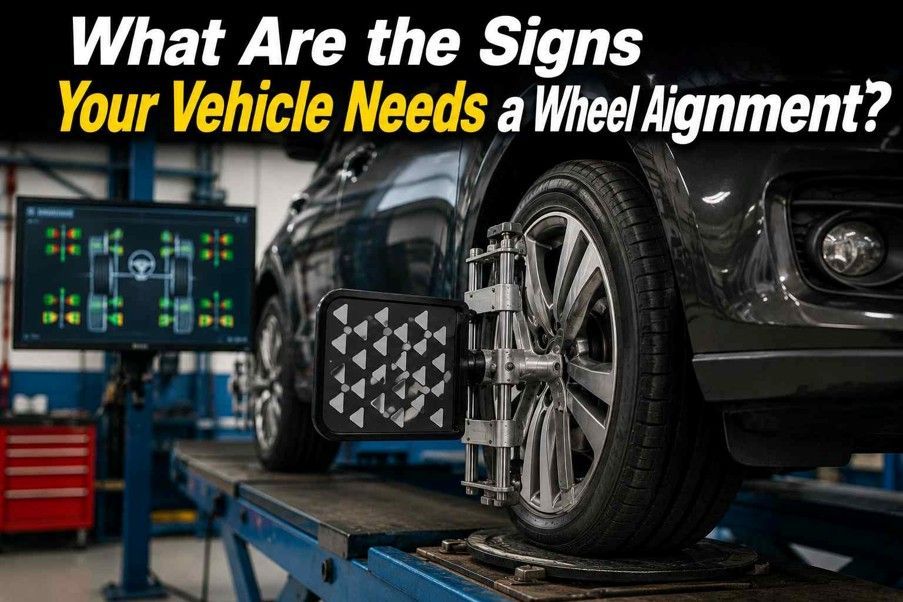
Learn the signs your vehicle needs a wheel alignment, including uneven tire wear, pulling, steering issues, and an off-center steering wheel.
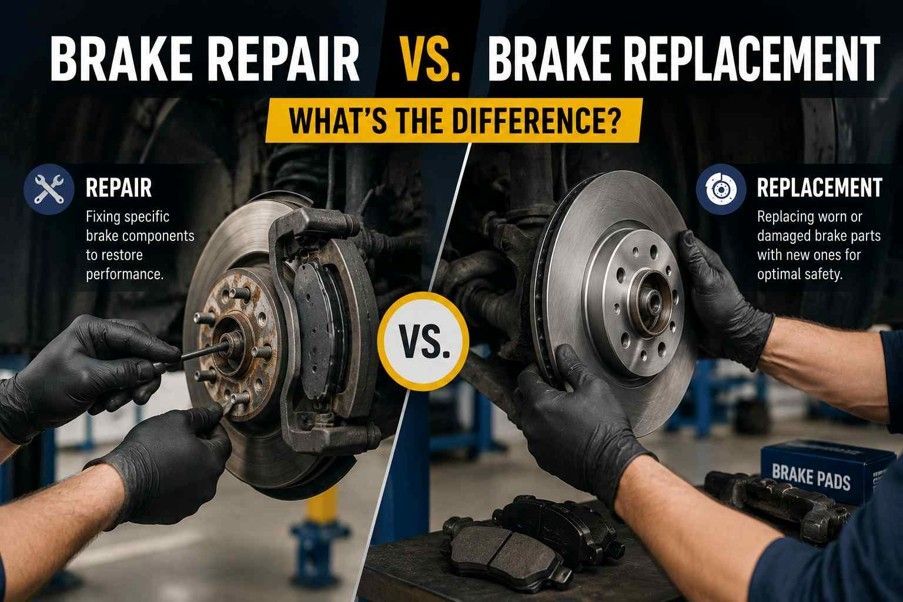
Learn the difference between brake repair and brake replacement, when each option may be needed, and the warning signs that your vehicle's brakes need attention.
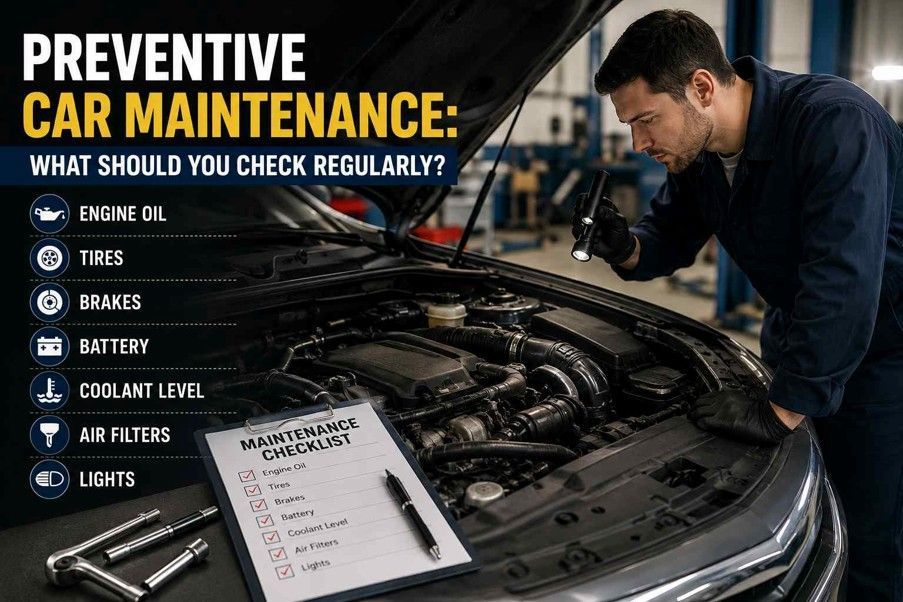
Learn what to check regularly with preventive car maintenance, including fluids, brakes, tires, batteries, and other key components to help avoid costly repairs.
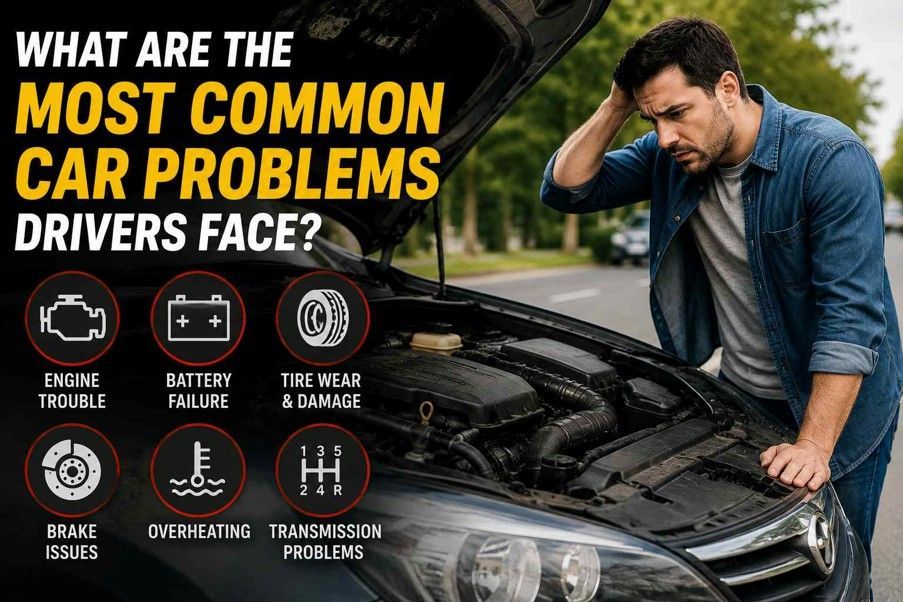
Discover the most common car problems drivers face, from brake and battery issues to engine, tire, and transmission problems, plus signs to watch for.
Why is your car losing power while accelerating? Learn the common causes, warning signs, and when to seek professional auto repair to restore performance.
Learn why your transmission is slipping, common causes, warning signs, repair options, and when to seek professional transmission repair.
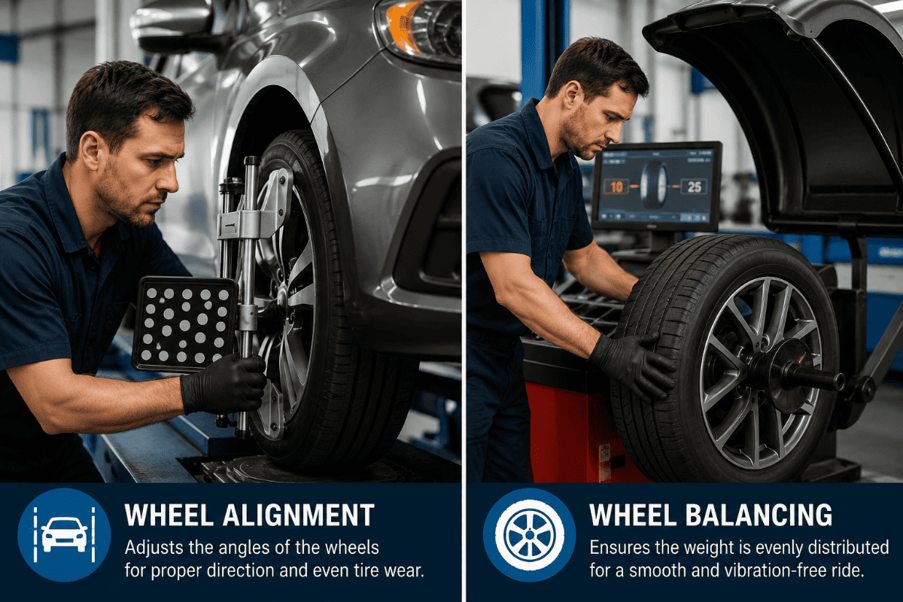
Learn the difference between wheel alignment and wheel balancing, common warning signs, key benefits, and when each service is needed for safer driving.

Learn why brake inspections before long road trips are essential. Discover warning signs, inspection tips, and how to keep your vehicle safe on every drive.